

AI CERTs
3 hours ago
Labor Rights Clash With Hidden AI Workplace Surveillance
Hiring, firing and daily performance now depend on code few employees ever see. Consequently, hidden algorithms are sparking a fresh fight over Labor Rights across industries. Advocates warn that opaque AI scoring resembles credit reporting without the notice required by law. Meanwhile, regulators signal they already possess tools to curb silent data harvesting. This article maps the disputes, statutes, and strategic steps every corporate counsel must track.
Moreover, we explore how global momentum could redefine Workplace Ethics and operational budgets alike. Readers will find data, expert voices, and an action checklist framed for technical leadership. Therefore, prepare for a concise, evidence-based journey through emerging AI monitoring law. Each section closes with key takeaways ensuring smooth navigation. Let us begin with the broader policy shifts now unsettling boardrooms.
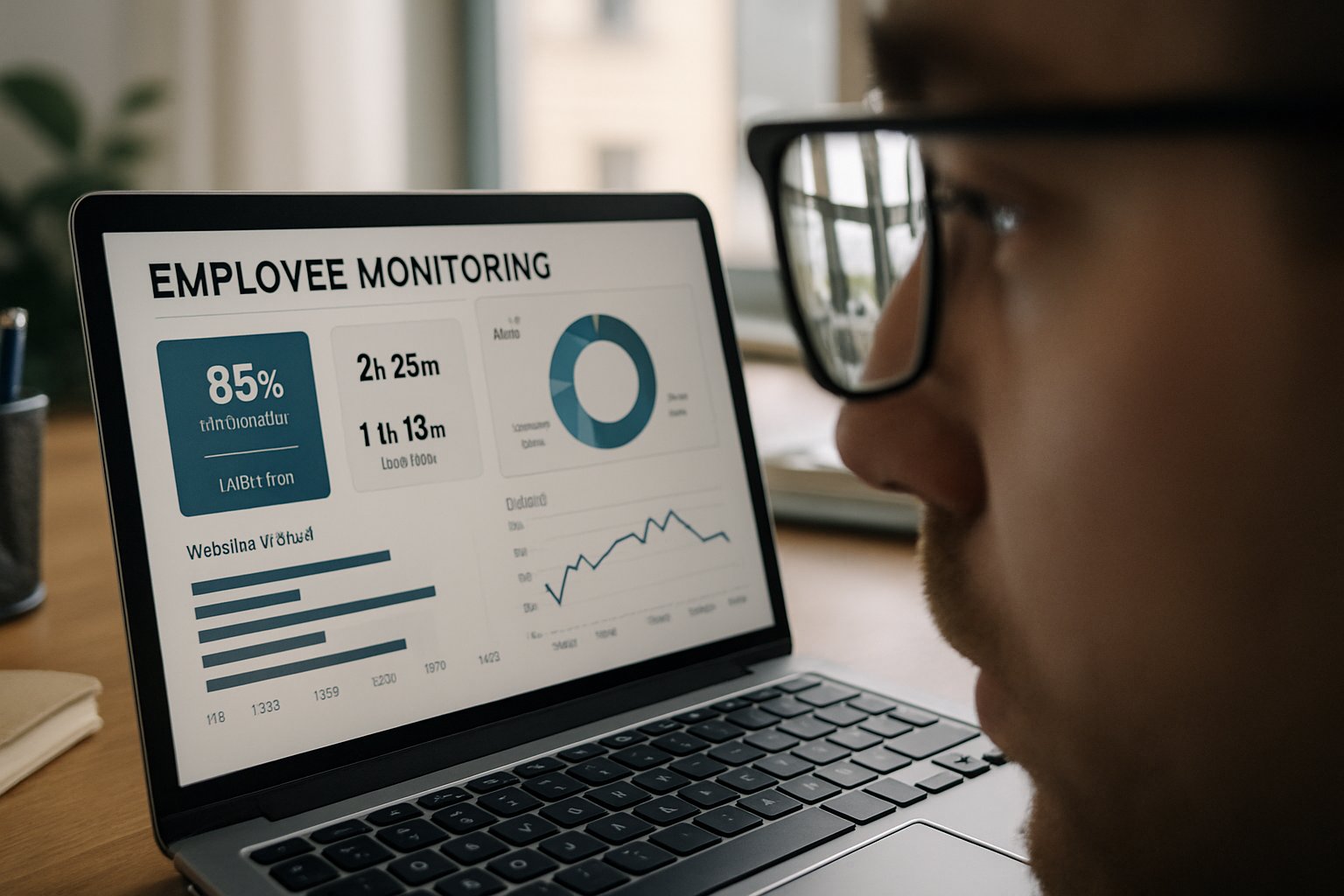
AI Monitoring Legal Shifts
Recent agency pronouncements transformed academic debate into concrete compliance risk. In October 2024, the CFPB declared that third-party hiring scores fall under the Fair Credit Reporting Act. Consequently, employers must treat algorithmic dossiers like consumer reports, offering notice and dispute procedures. Simultaneously, the Department of Labor released worker-centric AI principles that elevate Labor Rights and Workplace Ethics in operational design.
Moreover, the NLRB General Counsel warned that Surveillance infringing collective activity may be presumed unlawful. International regulators echoed those themes, citing Privacy obligations and proportionality under GDPR Article 22. Therefore, multinationals face overlapping domestic and foreign standards despite uncertain federal legislation. HR executives now brief boards monthly on algorithmic risks once left to technical teams.
These developments signal accelerating legal momentum. However, a single lawsuit illustrates how fast that momentum can crystallize in courtrooms. In short, agencies now interpret old statutes as shields for modern workers. Compliance budgets are rising accordingly. Next, we examine the class action sharpening those interpretations.
Key Class Action Spotlight
On 3 January 2026, plaintiffs filed Kistler v. Eightfold AI in California state court. The complaint alleges the vendor compiled secret applicant profiles and delivered opaque scores to employers. Consequently, the plaintiffs say those products qualify as consumer reports requiring FCRA disclosures. Moreover, they assert that undisclosed Surveillance deprived candidates of rebuttal opportunities.
Eightfold counters that it only processes data supplied willingly by applicants or corporate customers. In contrast, experts like Greyhound Research founder Sanchit Vir Gogia call the case “a pivot point.” If successful, damages and injunctive relief could ripple across the broader hiring software sector. Advocates frame the dispute as a milestone for digital Labor Rights enforcement. Therefore, investors and HR leaders monitor the docket closely.
The lawsuit moves theoretical debates into tangible risk scenarios. Courts will soon test the FCRA argument against modern algorithms. With that context, we now survey the statutes steering these conflicts.
Relevant Statutes At Play
Multiple legacy laws unexpectedly anchor contemporary AI governance. First, the Fair Credit Reporting Act covers third-party data used for employment decisions and embeds Labor Rights safeguards. Consequently, employers must provide notice, accuracy processes, and dispute channels before acting on algorithmic reports.
Second, the National Labor Relations Act protects organizing activity against chilling Surveillance. NLRB guidance proposes a presumption that intrusive monitoring violates section seven rights. Third, GDPR Article 22 limits sole automated decisions with significant effects, demanding robust Privacy assessments. Furthermore, several US state privacy statutes, including CPRA and BIPA, impose notice and consent requirements.
HR compliance teams often underestimate cross-border reach, exposing firms to parallel fines. Taken together, these laws weave a complex, yet expanding, safety net for workers. Even absent new legislation, liability can materialize quickly. Understanding the letter of the law is useful, yet perspectives on impact differ sharply.
Stakeholder Perspectives Clash Here
Debate around hidden monitoring reflects contrasting incentives among vendors, employers, and employees. Moreover, each group frames the same data practices in moral and economic terms.
Vendor Efficiency Claims Rise
Software providers tout faster hiring cycles and reduced recruiter workload. Consequently, executives highlight cost savings and improved diversity through broader candidate pools. In contrast, critics note that unverified data sources erode Workplace Ethics by sidelining consent. Efficiency narratives remain compelling yet incomplete.
Worker Rights Concerns Mount
Unions argue that constant Surveillance induces stress and deters organizing conversations. Furthermore, academic studies link pervasive monitoring to higher turnover and lower engagement. Employees also fear algorithmic bias compromising Labor Rights when promotion or discipline decisions rely on secret math. Privacy watchdogs echo those anxieties, stressing the need for meaningful human review.
Worker voices emphasize transparency as the minimum acceptable safeguard. Their demands push companies toward formal governance programs. To gauge future obligations, we must watch parallel moves abroad.
Global Regulatory Momentum Builds
Outside the United States, regulators codify transparency mandates at rapid speed. For example, the UK ICO published workplace monitoring guidance requiring necessity assessments and impact documentation. Similarly, EU authorities enforce GDPR provisions that forbid solely automated decisions with significant consequences.
Consequently, multinational HR teams need cross-functional coordination before rolling out monitoring toolkits. Canada and Australia are drafting comparable bills, indicating converging democratic norms on corporate data use and Labor Rights. Moreover, consumer regulators share intelligence across borders, amplifying enforcement reach.
Privacy professionals warn that divergent notice standards still complicate template policy design. Global rules create a mosaic that resists one-size compliance playbooks. However, shared themes of notice and fairness already influence vendor roadmaps. With stakes clarified, the next section offers a practical action plan.
Actionable Compliance Roadmap Ahead
Building trust and reducing liability require disciplined governance rituals. Consequently, experts recommend a phased program blending technical, legal, and cultural checkpoints. Key steps include:
- Map data flows and document monitoring purpose statements.
- Conduct bias audits and share summaries with compliance stakeholders.
- Perform data impact assessments under GDPR or state analogues.
- Provide worker notice, appeal channels, and human review to honor Labor Rights.
- Enroll managers in ethics training and pursue the Chief AI Officer™ certification.
Furthermore, include union representatives when drafting monitoring policies to respect collective voice. Annual external audits reinforce credibility with regulators and investors. Additionally, HR stewards should update job descriptions to disclose monitoring technologies.
When executed together, these measures embed Labor Rights accountability into product pipelines. Consequently, firms can innovate without undermining trust. Finally, we consolidate lessons and forecast next moves.
Conclusion And Next Steps
Hidden AI monitoring no longer lives in an ethical gray zone. Instead, established laws now frame operational boundaries and potential damages. Labor Rights advocates, regulators, and investors converge on calls for transparency and fairness.
Consequently, boards must treat algorithmic risk as a standing agenda item rather than an experimental sidebar. Surveillance safeguards, data impact reviews, and Workplace Ethics training must integrate with core talent systems. Labor Rights will remain central as courts weigh the Eightfold claims and legislatures debate new mandates.
Moreover, professionals can deepen strategic oversight skills through the Chief AI Officer™ certification. Therefore, begin mapping data flows, update notices, and schedule cross-disciplinary training today. Stay ahead of fast-moving regulation and champion ethical innovation in your organization.


