

AI CERTs
2 hours ago
KPMG fine reignites AI Academic Integrity debate
Generative AI has entered corporate classrooms at breakneck speed. However, recent events at KPMG Australia expose the darker side of rapid adoption. A senior partner used an external chatbot to ace an internal assessment. Consequently, the firm imposed a A$10,000 fine and ordered a resit. The episode reignites debate over AI Academic Integrity within professional services. Moreover, politicians and regulators now question whether voluntary disclosures suffice. This article unpacks the case, situates it within global trends, and suggests practical safeguards. Readers will gain insight into emerging compliance expectations and reputational stakes. Meanwhile, industry certifications such as the AI Executive Essentials™ credential can guide responsible deployment. Maintaining public trust demands rigorous controls and transparent accountability.
Key Cheating Case Details
KPMG's internal AI training course required staff to demonstrate safe prompt engineering. In July 2025, the unnamed partner uploaded course materials to a public language model. Therefore, confidential content left the firm's protected network, breaching data protocols and ethics. Detection tools flagged irregular traffic, and compliance staff reviewed the test submission. Subsequently, investigators confirmed the answers matched the model's output verbatim. KPMG classified the incident as exam fraud, triggering disciplinary procedures. In contrast, most previous breaches involved junior employees rather than leadership. The A$10,000 penalty will be deducted from future income, according to Chief Executive Andrew Yates. He admitted policing AI use remains difficult despite monitoring advances. The case now serves as a cautionary tale for AI Academic Integrity across the sector.
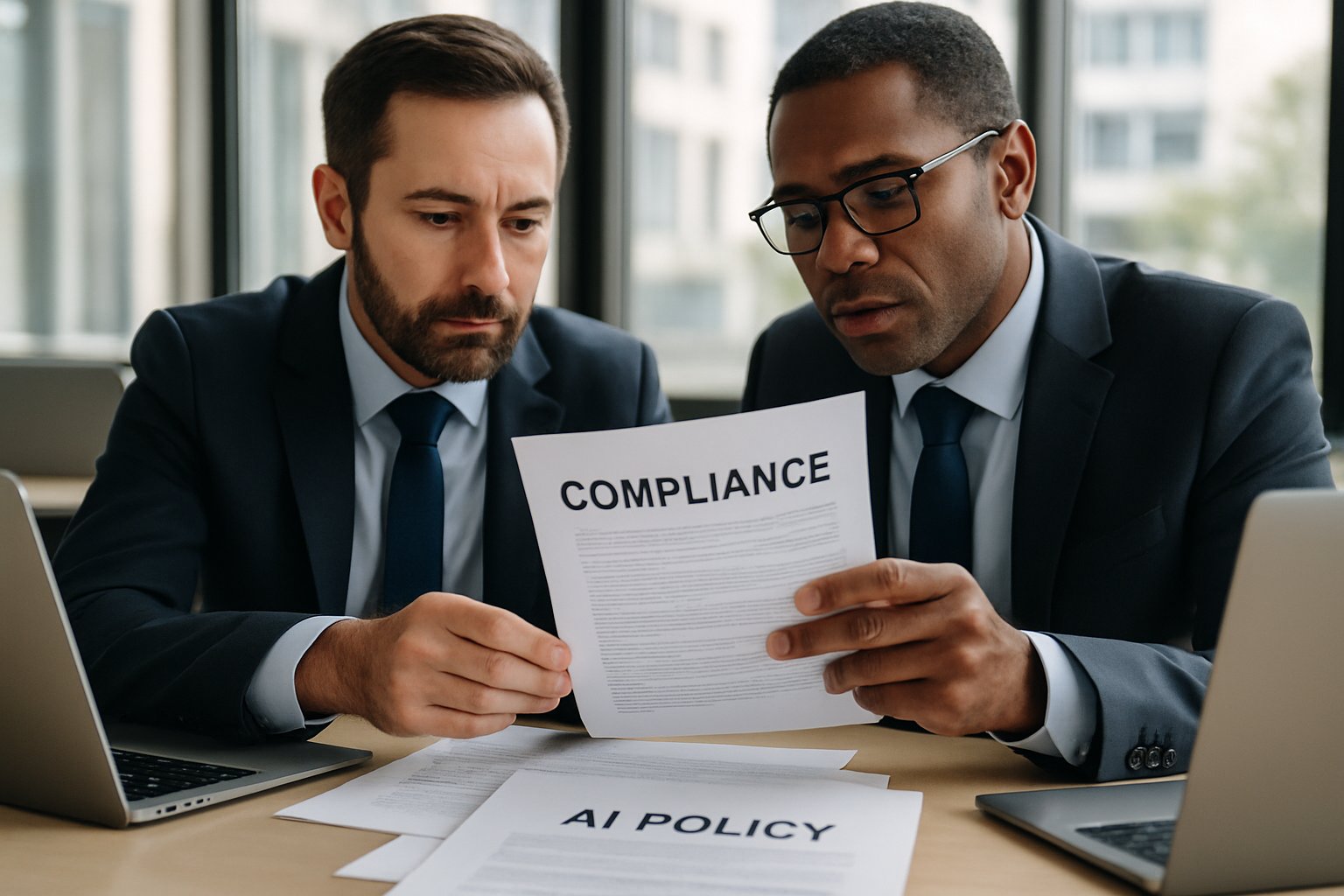
These facts illustrate how sophisticated misuse can evade basic safeguards. However, wider organisational issues magnify the risk, as the next section explains.
Broader Integrity Concerns Arise
KPMG Australia uncovered 28 AI-related cheating cases during the current financial year. Furthermore, the figure dwarfs the single partner event, pointing to systemic pressures. Past scandals underscore the trend; in 2021 more than 1,100 employees shared answers. Consequently, public trust in auditor ethics has dwindled. Stakeholders fear that compromised assessments allow unqualified staff to advise clients. Exam fraud also jeopardises confidential client data when materials reach uncontrolled platforms. Moreover, clients increasingly include contractual clauses regarding responsible AI usage. Failure to comply could trigger legal liability and revenue losses. Industry observers argue that AI Academic Integrity now equals audit quality in reputational importance. These mounting concerns set the stage for tougher oversight discussed below.
Integrity erosion threatens both market confidence and firm profitability. Therefore, regulators are sharpening their focus.
Regulators Demand Stronger Oversight
After media coverage, ASIC contacted KPMG to gather further information. Nevertheless, current rules do not mandate automatic reporting of internal test misconduct. Senator Barbara Pocock criticised self-reporting as, in her words, "a joke". Meanwhile, the Senate inquiry may recommend statutory disclosure obligations. Internationally, regulators cite deficient AI Academic Integrity when issuing multimillion-dollar sanctions. Moreover, ACCA will halt most remote exams from March 2026, citing integrity threats. Policy momentum suggests voluntary guidelines will soon become binding requirements. Firms will need auditable controls, documented detection, and prompt external notification. AI Academic Integrity will become a board-level compliance metric under these proposals. The following industry data reveals why regulators feel compelled to act.
Enforcement appetite is clearly rising across jurisdictions. Consequently, risk officers must quantify exposure, as we explore next.
Industry Reforms And Risks
KPMG Australia introduced dedicated monitoring software during 2024 rollout of its AI syllabus. Additionally, the firm plans to disclose violation totals in its annual report. Other Big Four networks now pilot similar controls, fearing brand damage. Yet, technology alone cannot rebuild ethics without cultural change.
- 28 internal violations recorded by KPMG Australia this year.
- A$10,000 fine imposed on senior partner.
- Over 1,100 staff implicated in 2021 answer-sharing scandal.
- $25m PCAOB penalty levied on KPMG Netherlands in 2024.
Collectively, these figures reveal a pattern of escalating exam fraud across geographies. In contrast, only limited proactive disclosures reach investors and audit committees. Therefore, analysts warn of hidden liabilities emerging later through litigation. Robust AI Academic Integrity frameworks can mitigate those tail risks. However, designing effective policies demands understanding attacker tactics, addressed in the next section.
Reforms have started but remain patchy. Consequently, technology plays a pivotal role in closing the gap.
Technology Detection Arms Race
Firms now deploy network analytics to flag unusual data transfers during assessments. Moreover, proctoring software monitors window switching, copy-paste patterns, and latency spikes. Cheaters respond by using offline models or encrypted channels. Subsequently, detection teams refine heuristics and introduce stricter time limits. However, false positives can punish legitimate research, frustrating honest staff. Balancing security and user experience requires clear communication and ethics training. KPMG supplements automated tools with manual audits when risk indicators peak. Meanwhile, independent penetration testers stress-test controls before each exam cycle. Sustained investment supports AI Academic Integrity yet cannot replace a values-based culture. The following best practices translate these lessons into operational steps.
Technical measures raise the bar against casual cheating. Nevertheless, governance and education remain essential complements.
Best Practices For Firms
Boards should assign a cross-functional integrity officer with direct reporting lines. Furthermore, firms must map every AI use case and associated data flows. Clear policies should prohibit uploading proprietary content to unsanctioned models. Regular training drills staff on acceptable prompts, privacy limits, and disclosure steps. Gamified modules help reinforce ethics without inducing compliance fatigue. In addition, scheduled attestations require employees to reaffirm commitments before each assessment. Audit committees need dashboards tracking AI Academic Integrity metrics and incident closure times. Professionals can deepen expertise through the AI Executive Essentials™ certification, which covers governance frameworks. Therefore, external credentials validate competence and support market differentiation. Finally, transparent public reporting signals seriousness and deters potential offenders.
Practical steps exist for every maturity level. In contrast, ignoring the risk invites costly fallout, as our final reflection notes.
Conclusion And Next Steps
KPMG's penalty demonstrates tangible costs for weak AI Academic Integrity controls. Moreover, similar scandals across Australia and Europe confirm the issue is global. Regulators, clients, and the public will demand verifiable safeguards. Therefore, boards must embed ethics, technology, and training into unified defence lines. Supported by vigilant detection, transparent reporting, and external certifications, organisations can uphold AI Academic Integrity and regain trust. Consequently, early movers will protect reputation while positioning for AI-enabled growth. Explore the suggested frameworks and pursue recognised credentials to lead with confidence. The integrity of intelligent systems depends on decisive action today.


