

AI CERTS
3 hours ago
Kilo CLI Release reshapes terminal coding workflows
Moreover, the tool persists context across IDEs, SSH sessions, and chat channels. This continuity addresses the notorious “AI amnesia” that plagues single-turn code assistants. Meanwhile, rival products from OpenAI and Anthropic still lock users into specific providers. Therefore, many developers view the open-source orientation as a decisive strategic advantage.
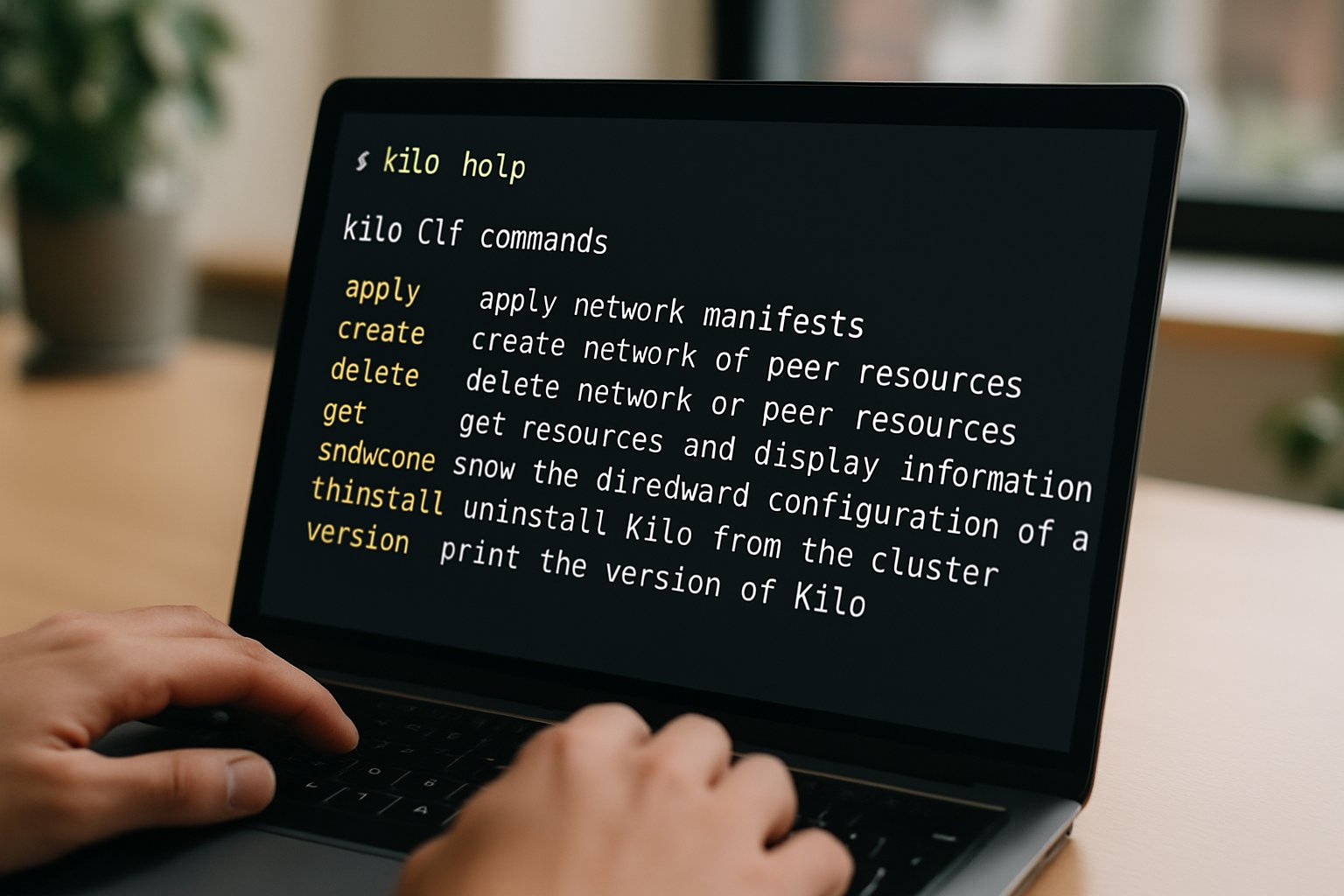
The Kilo CLI Release also crystallizes a broader industry pivot toward vibe-coding and multi-agent orchestration. Subsequently, investors injected $8 million to accelerate roadmap execution and enterprise outreach.
Market Shifts Accelerate Fast
Software leaders recognize that agentic tooling will reshape the developer environment over the next year. Consequently, every major vendor now ships a coding agent that lives directly inside the terminal. In contrast, Kilo positions its CLI as vendor-neutral, allowing organizations to negotiate cost and latency tradeoffs. Furthermore, the Memory Bank feature stores session data in repository files, enabling reproducible audits. VentureBeat quoted CEO Scott Breitenother, who argued that openness, not secrecy, accelerates product quality. Industry watchers hailed the Kilo CLI Release as evidence that openness can win.
Market momentum now favors transparent, flexible, and model-agnostic tools. Kilo appears positioned to capitalize on that shift. Consequently, the next section explores its workflow foundations.
Agentic Workflow Deep Overview
At its core, the CLI orchestrates multiple agents that plan, code, run, and repair programs. Moreover, each agent can invoke shell commands, parse outputs, refine prompts, and iterate autonomously. Sessions persist across every environment through markdown files, which Kilo calls the Memory Bank. Therefore, a late-night bug fix on an SSH terminal seamlessly resumes during morning IDE work. Developers describe this continuity as vibe-coding because the agent remembers the project's evolving context. Tutorial videos show the Kilo CLI Release managing dozens of microservices without losing track.
Persistent context reduces cognitive load and repeated explanations. Nevertheless, mastery starts with correct installation. The following section details setup essentials.
Core Features Fully Explained
The Kilo CLI Release bundles five named modes: Architect, Code, Debug, Ask, and Orchestrator. Architect plans file structures, while Code generates or refactors implementations. Debug inspects runtime errors, proposes fixes, and applies patches when permitted. Ask operates as a lightweight chat, whereas Orchestrator chains multiple agents for complex workflows. Additionally, an --auto flag enables fully autonomous execution in continuous integration pipelines.
- Support for more than 500 models through the Model Context Protocol marketplace.
- Session memory stored as markdown, auditable in version control.
- Transparent cost tracking per provider, aiding finance oversight.
- MIT and Apache licenses across dependencies, ensuring open-source compliance.
Furthermore, installation is straightforward for any developer comfortable with Node tooling. Run npm install -g @kilocode/cli, then execute kilocode inside your project root. Environment variables configure provider keys and workspace paths, keeping secrets outside commits.
These features collectively make the Kilo CLI Release a rapid, traceable coding hub. Yet, proper setup prevents future frustration. Subsequently, we review practical setup steps.
Installation And Setup Guide
After global installation, developers should create a .kiloconfig file in their repository root. Moreover, that file maps tasks to preferred models, balancing accuracy, speed, and budget. Set KILO_API_KEY and other credentials as environment variables to avoid accidental leaks. In contrast to opaque SaaS tools, Kilo stores no tokens unless users opt in. Consequently, organizations maintain compliance with internal data governance rules.
Solid configuration ensures predictable behavior during autonomous runs. Nevertheless, benefits must be weighed against security concerns. The next section balances both sides.
Key Benefits And Risks
Enterprises highlight several advantages delivered by the Kilo CLI Release. First, the model-agnostic design avoids cloud lock-in and pricing shocks. Second, open-source code allows audits, satisfying security officers. Third, the vibe-coding workflow reduces context switching, boosting developer efficiency.
- Over 1 million users reported on GitHub, indicating community traction.
- 20 trillion tokens processed monthly, reflecting heavy production workloads.
- Package updates occur weekly, demonstrating active maintenance.
However, risks remain. Agents can execute shell commands that introduce vulnerabilities if misconfigured. TechCrunch warned that generated code may hide subtle logic errors. Therefore, administrators should restrict write access and enforce rigorous code reviews. Professionals can enhance governance skills through the AI Developer™ certification.
The CLI offers power, yet power demands safeguards. Balanced policies mitigate operational exposure. Next, we benchmark competitors.
Competitive Landscape Detailed Analysis
OpenAI, Anthropic, and smaller startups also chase the vibe-coding concept. Nevertheless, most alternatives limit users to proprietary models. In contrast, the Kilo CLI Release routes tasks across public and private providers. Moreover, transparent cost dashboards appeal to finance leaders comparing per-token bills. Yet, closed platforms sometimes deliver sleeker onboarding and tighter enterprise policies. Consequently, procurement decisions depend on culture, compliance, and budget priorities.
Kilo excels at flexibility and openness. Competitors emphasize polish and vertical integration. Finally, we consider future directions.
Strategic Outlook Moving Ahead
Funding momentum suggests a busy roadmap through 2026. Upcoming features include parallel agent mode, autonomous CI runners, and deeper Slack integration. Moreover, Kilo pledged upstream contributions to OpenCode, reinforcing community goodwill. Analysts expect corporate adoption to accelerate once stability gaps close.
Therefore, early adopters should pilot the Kilo CLI Release in isolated staging environments. Document outcomes, measure cost, and share feedback with the community. Subsequently, scale production usage when governance tooling meets internal thresholds.
The Kilo CLI Release marks a significant milestone in agentic developer tooling. By combining model choice, persistent memory, and open-source transparency, it elevates vibe-coding productivity. However, organizations must match its power with disciplined configuration and security reviews. Furthermore, leaders can upskill teams with the linked AI Developer™ certification, ensuring responsible adoption. Explore the CLI, evaluate the fit, and contribute back to an increasingly vibrant environment. Act now to shape the future of flexible, terminal-native coding workflows.


