

AI CERTS
2 hours ago
Karnataka Leptospirosis Spike Tests Public Health
However, higher numbers partly reflect improved diagnostics rather than a sudden catastrophe. State disease dashboards show almost 17,000 people tested in 2025, with 2,231 positives. Therefore, analysts caution against panic while urging sustained vigilance. This article unpacks data drivers, risk factors, and policy responses shaping Karnataka’s current Public Health landscape.
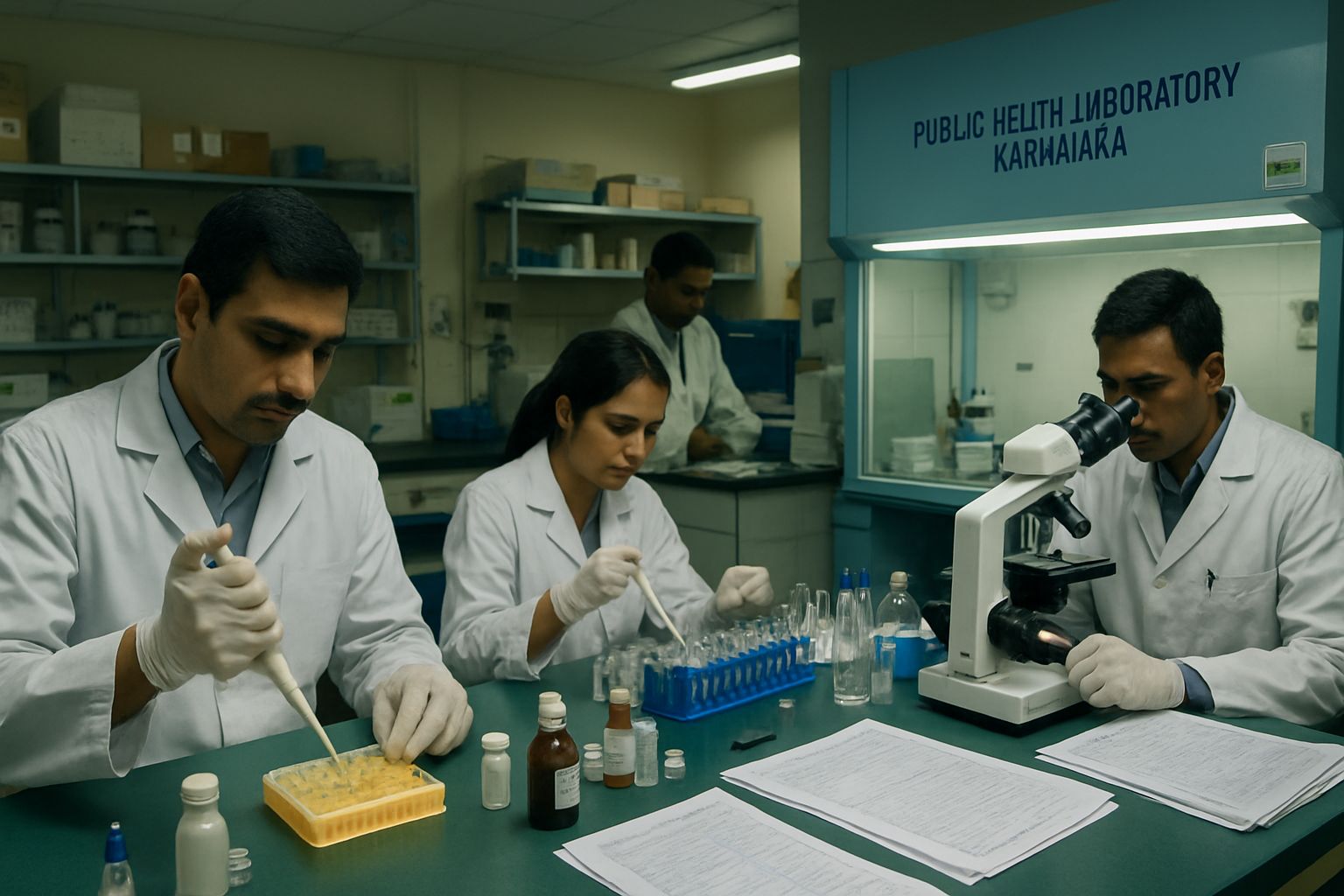
Rising Disease Surveillance Data
Karnataka’s Integrated Disease Surveillance Programme expanded PCR and ELISA capacity during 2023. Consequently, clinicians now test febrile patients earlier, capturing more mild leptospirosis cases. Weekly IDSP reports reveal 404 samples processed and 26 positives in one late-December week alone. Furthermore, annual tallies show pronounced growth: 896 cases in 2019, 5,390 in 2023, then 1,985 in 2024 after a drier monsoon.
- Five-year total: 16,000+ confirmed cases
- Documented deaths: approximately 30
- Year-to-date 2025 positives: 2,231
These statistics underline rising detection accuracy. Nevertheless, absolute case counts still threaten community health, especially during heavy rains. The evidence emphasises data transparency. Moreover, up-to-date dashboards help Public Health officers target hotspots quickly.
Enhanced reporting clarifies disease scale. However, numbers alone cannot describe environmental drivers, leading us to the next section.
Key Environmental Risk Factors
Monsoon flooding leaves stagnant water across rural paddies and urban potholes. Therefore, Leptospira bacteria thrive and spread through contaminated puddles. Additionally, Bengaluru’s ageing pipelines leak sewage into supply lines, escalating exposure. Rodent populations flourish where garbage collection lags, further amplifying infection risk.
In contrast, districts investing in drainage notice lower incidence peaks. Moreover, veterinary surveillance shows high carriage rates in stray dogs and livestock near informal settlements. Consequently, multidimensional water, sanitation, and hygiene (WASH) failures converge, challenging Public Health engineers.
Environmental monitoring highlights systemic vulnerabilities. Nevertheless, human behaviour and geography also channel risk, prompting an urban–rural comparison next.
Urban Versus Rural Burden
Traditionally, agricultural districts dominated leptospirosis maps. However, recent city data tells a different story. Dr Khazi Javeed Irfan notes a “considerable disease burden in the urban populace.” Bengaluru now reports steady weekly cases, especially in low-lying wards with lake overflows.
Meanwhile, farmers continue facing occupational exposure through paddy work. Yet, hospital admissions reveal comparable urban severity, partly because urban patients often delay care. Furthermore, migrant workers live in dense dormitories with poor sanitation, increasing collective exposure.
Both settings demand tailored interventions. Consequently, surveillance must integrate municipal engineers and agriculture officers alike. Understanding this duality informs next-step response planning.
Diverse geographies require flexible strategies. Therefore, we explore response mechanisms and remaining gaps in the following section.
Response Measures And Gaps
Karnataka health authorities promote early doxycycline therapy to avert complications. Moreover, rapid alert messages remind clinicians to test any undifferentiated fever. District teams conduct rodent control drives and distribute educational leaflets before the monsoon.
Nevertheless, resource constraints limit sustained vector control. Funding cycles sometimes delay water infrastructure upgrades, and many primary health centres lack point-of-care PCR kits. Consequently, some cases slip through unreported. Furthermore, coordination between veterinary and human surveillance remains patchy, despite WHO recommendations.
Closing these gaps requires multi-sectoral investment. Public Health budgets must prioritise laboratory decentralisation, continuous WASH improvements, and citizen engagement. Strategic policies, detailed next, can drive sustained progress.
Current measures show promise yet reveal systemic shortfalls. Subsequently, clinical management plays a vital supporting role.
Essential Clinical Management Basics
Early recognition remains crucial because severe Weil’s disease develops swiftly. Consequently, physicians screen for conjunctival suffusion, calf tenderness, and jaundice during monsoon months. Oral doxycycline suffices for mild cases, while severe presentations require intravenous penicillin or ceftriaxone.
Furthermore, supportive therapy addresses renal or pulmonary complications. Laboratories confirm diagnosis via ELISA or PCR, yet treatment should not await results when suspicion is high. Therefore, continuous clinician training safeguards patient outcomes and reduces fatality ratios.
Clinical vigilance lowers mortality. However, broader policy instruments ultimately shape incidence patterns.
Strategic Public Policy Steps
Policy experts advocate several actionable moves:
- Integrate environmental data with routine disease reporting dashboards.
- Modernise Bengaluru’s ageing water networks through phased capital projects.
- Fund community-level rodent control and waste management partnerships.
- Expand veterinary vaccination and surveillance to reduce animal reservoirs.
- Offer periodic training using digital micro-learning modules for frontline workers.
Moreover, professionals can deepen expertise via the AI Prompt Engineer™ certification. Data-driven disease intelligence benefits when technologists understand nuanced Public Health workflows.
Thoughtful policy alignment accelerates risk reduction. Consequently, workforce upskilling becomes the next logical discussion.
Certification Driven Upskilling Pathways
Tomorrow’s surveillance systems will rely on artificial intelligence tools to forecast outbreaks. Therefore, analysts equipped with modelling skills can transform raw case numbers into actionable alerts. Programs like the linked AI certification teach prompt engineering, data ethics, and rapid prototyping.
Additionally, multidisciplinary knowledge helps bridge gaps between epidemiologists and software teams. Consequently, certified professionals often lead dashboard enhancements that visualise spikes in real time. Such innovation supports decisive Public Health interventions, protecting communities from future leptospirosis surges.
Upskilled teams enhance system resilience. Nevertheless, coordinated citizen engagement still anchors successful disease control.
Conclusion
Karnataka’s ongoing leptospirosis spike underscores the fragile balance between environment, infrastructure, and disease. Improved surveillance reveals true case burdens, while climate and urbanisation amplify exposure. However, early treatment, targeted WASH investments, and data-informed policy can reverse current trends. Moreover, continuous training and innovative certifications empower professionals to modernise Public Health systems. Consequently, readers should explore advanced learning pathways and champion evidence-based interventions to safeguard Karnataka’s future wellbeing.


