

AI CERTS
3 months ago
Italy’s WhatsApp AI Ruling: AGCM Blocks Meta’s Anti-Chatbot Terms
Furthermore, the move aligns with a wider European Commission antitrust investigation opened earlier in December. Industry observers quickly labelled the intervention the WhatsApp AI Ruling, underscoring its continental importance. This article unpacks the timeline, legal theories, corporate pushback, and potential market outcomes. Moreover, it examines upcoming procedural milestones and practical steps for affected developers. Throughout, technical leaders will find actionable insights and certification resources for compliance readiness.
Timeline Of Key Events
Regulators first scrutinised Meta’s AI plans in March 2025 after “Meta AI” appeared inside WhatsApp. However, concern intensified when WhatsApp changed its Business Solution Terms on 15 October 2025. That update introduced an “AI Providers” restriction targeting large language model services. AGCM launched a provisional probe in July, then broadened it on 26 November 2025. Meanwhile, the European Commission opened its own antitrust case on 4 December 2025.
Subsequently, Italian investigators considered interim Enforcement tools to avert permanent market foreclosure. Their deliberations culminated in the 24 December order suspending the disputed clauses until a final verdict. Meta now faces a 15 January 2026 compliance deadline that originally threatened third-party integrations. Nevertheless, providers may retain Italian access while the WhatsApp AI Ruling remains in force. Key dates and stakeholders are summarised below.
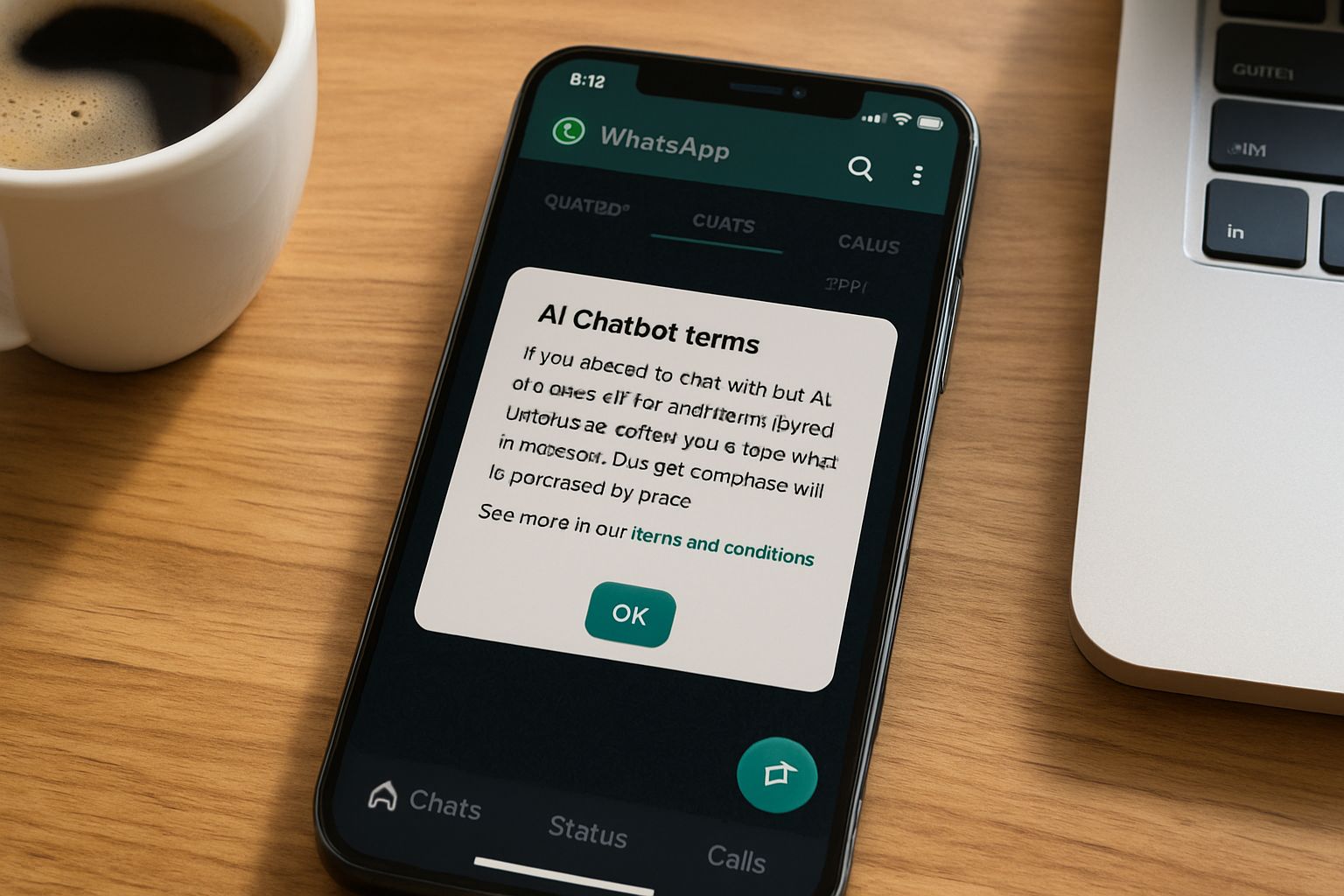
- March 2025 – Meta integrates Meta AI into WhatsApp.
- 15 Oct 2025 – Business Terms add AI restriction.
- 26 Nov 2025 – AGCM seeks interim measures.
- 4 Dec 2025 – EU investigation begins.
- 24 Dec 2025 – Italian order halts exclusion.
- 15 Jan 2026 – Initial enforcement deadline.
Italy’s timeline reveals swift regulatory escalation. The compressed schedule signals high perceived risk. Consequently, understanding the legal basis becomes essential.
Regulatory Grounds Explained Briefly
AGCM predicates its action on suspected abuse of dominance under Article 102 TFEU and national statutes. In contrast, the watchdog argues WhatsApp commands around three billion monthly users, creating a distribution chokepoint. Therefore, excluding rival chatbots could substantially lessen Competition and stifle innovation. Moreover, the agency claims the clauses produce serious and irreparable damage before final adjudication. EU case law allows interim Enforcement when such harm appears probable.
The Commission echoed similar Antitrust concerns when announcing its parallel probe. Importantly, regulators differentiate between AI powered customer support and general purpose assistants. They say only the latter face discrimination under the contested language. Consequently, the WhatsApp AI Ruling serves as a protective shield while market definition proceeds. Professionals can deepen legal acumen via the AI Legal Strategist™ certification.
Authorities lean on established dominance doctrines. Interim power limits potential competitive harm. However, Meta presents a contrasting technical narrative next.
Meta Defense Arguments Stated
Meta disputes the allegations, labelling the decision “fundamentally flawed.” Additionally, the firm insists the Business API was never architected for mass consumer chatbots. It claims third-party LLM traffic strains infrastructure and complicates content moderation. Therefore, Meta contends that alternative discovery channels, such as app stores, remain available. In contrast, critics counter that WhatsApp’s reach cannot be replicated elsewhere easily.
The company also frames the change as routine product scope clarification rather than exclusionary Enforcement. Nevertheless, the WhatsApp AI Ruling now obliges Meta to pause implementation pending appeal. Corporate counsel signal an expedited filing at Italy’s Administrative Tribunal. Subsequently, the court could stay AGCM measures, although such relief is rare. Antitrust historians note similar arguments failed in previous platform foreclosure cases.
Meta emphasises technical feasibility and consumer safety. Critics question those justifications. Consequently, potential market effects deserve closer examination.
Market Impact Assessment Today
Startups such as Luzia and Poke relied heavily on WhatsApp for user acquisition. Moreover, several announced shutdown plans before the January deadline. Statista places WhatsApp’s 2025 audience near three billion monthly users, underscoring distribution power. Consequently, restricted access could handicap smaller providers and dampen Competition. Investors warn that funding may tighten for ventures lacking alternative reach. Meanwhile, enterprise clients worry about losing integrated AI workflows within existing messaging channels.
AGCM estimates that continued foreclosure would irreversibly shift network effects toward Meta AI. The WhatsApp AI Ruling temporarily preserves cross-platform choice, which could sustain innovation. However, uncertainty persists, deterring long term product roadmaps. Key risk vectors include data portability, customer churn, and compliance ambiguity.
- User churn to other messaging apps
- Higher acquisition costs outside WhatsApp
- Fragmented customer support channels
- Regulatory reporting overhead
Nevertheless, proactive planning can mitigate disruption. Developers should diversify channels and monitor Enforcement milestones closely. Platform dependence magnifies competitive vulnerabilities. Interim relief offers breathing room. Therefore, regional dynamics merit further discussion.
European Union Context Broad
DG Competition assumed jurisdiction over the rest of the European Economic Area on 4 December 2025. Furthermore, the Commission may impose block-wide remedies or fines up to 10% of global turnover. Such penalties historically reshape platform behaviour and market Competition. Meanwhile, member states coordinate with Brussels through the European Competition Network. The Italian authority remains lead body only for interim measures, ensuring procedural efficiency. Subsequently, evidence gathered nationally feeds into the EU docket.
The WhatsApp AI Ruling could influence Commission thinking on interim powers. Antitrust scholars view the case as a test of Digital Markets Act principles. Consequently, other gatekeepers like Apple and Google monitor developments closely. Stakeholders should prepare unified compliance strategies across jurisdictions to avoid fragmented Enforcement.
Brussels holds powerful sanction tools. Italian action may foreshadow wider obligations. Nevertheless, immediate procedural steps remain crucial.
What Happens Next Now
Meta has seven days to submit a compliance report to AGCM. Additionally, the company may request an interim suspension from the Administrative Tribunal. Courts rarely grant such relief unless harm outweighs public interest. Subsequently, AGCM could levy daily penalties for non-compliance. European Commission investigators will gather market feedback during the first quarter of 2026.
Moreover, affected AI providers should document any ongoing barriers inside WhatsApp. The WhatsApp AI Ruling remains a temporary shield rather than a final verdict. In contrast, the Commission’s formal decision could arrive much later. Stakeholders must track parallel Antitrust and Enforcement calendars to stay prepared. Professionals should also pursue continuing education to navigate evolving regulatory landscapes.
Short deadlines demand rapid compliance planning. Appeal results could shift timelines again. Consequently, strategic foresight will determine competitiveness.
Conclusion And Strategic Outlook
The WhatsApp AI Ruling signals regulators’ determination to police digital gatekeepers. Meanwhile, AGCM and EU authorities now hold Meta’s contractual playbook under a microscope. Consequently, businesses must watch procedural updates and adjust integration strategies. Moreover, investors view the case as a bellwether for broader Competition trends.
The WhatsApp AI Ruling, although interim, already influences product roadmaps across Europe. Nevertheless, outcomes depend on economic evidence, market definition, and appeal results. Professionals should fortify compliance skills through the previously linked AI Legal certification. Adopting a proactive stance today will minimise disruption after the WhatsApp AI Ruling reaches its conclusion.


