

AI CERTS
2 months ago
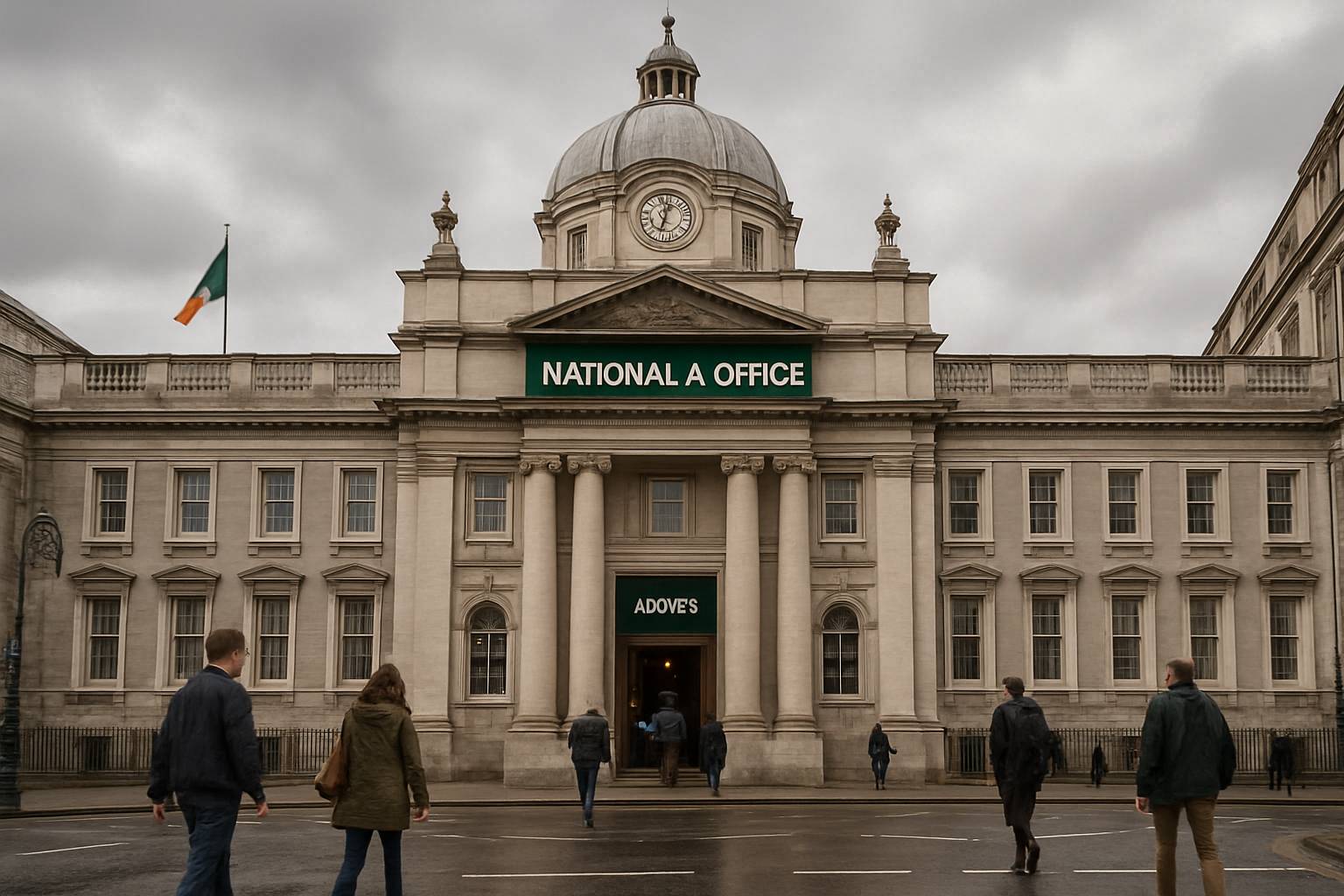
Ireland’s Regulatory Policy Framework Gains National AI Office
These steps mark the spine of a new Regulatory Policy Framework for trustworthy artificial intelligence. Furthermore, the framework aims to align Ireland with the EU AI Act without stifling innovation. Consequently, businesses now face a defined compliance countdown. Nevertheless, civil society demands stronger independence and resources for the planned Office.
EU Deadlines Drive Action
The EU AI Act entered into force on 1 August 2024. Therefore, member states received strict implementation windows of twelve to thirty-six months. Ireland responded quickly, approving a distributed enforcement model on 4 March 2025. In contrast, several larger economies still debate basic governance structures.
Key milestones now guide Dublin policymakers. Firstly, the Single Point of Contact must remain operational. Secondly, sectoral regulators need technical capacity for market surveillance. Finally, the National AI Office must launch by 2 August 2026 to satisfy European coordination duties.
These deadlines pressure agencies to coordinate tightly. Consequently, momentum for the Regulatory Policy Framework keeps building. The next section explains how the distributed model works.
Distributed Enforcement Model Explained
Ireland selected a distributed model instead of creating a single super-regulator. Moreover, existing watchdogs retain sector expertise and public trust. The Central Bank will supervise financial AI, while ComReg covers telecommunications. Other bodies span media, health, transport, utilities, and employment.
Statutory Instrument No. 366/2025 legally named the first eight authorities. Subsequently, the September 2025 announcement raised the total to fifteen. Each authority will issue guidance, run inspections, and apply penalties under the Regulatory Policy Framework.
However, fragmentation risks inconsistent interpretations. Therefore, the forthcoming National AI Office will act as coordinator and interpreter.
The distributed model exploits sector expertise yet invites coordination challenges. However, the next section details the Office mandate designed to resolve those gaps.
National AI Office Mandate
The National AI Office sits at the heart of the new governance architecture. Additionally, the General Scheme of the Regulation of Artificial Intelligence Bill 2026 outlines its powers. The agency will host a regulatory sandbox, provide technical expertise, and serve as Ireland’s Single Point of Contact.
As coordinator, the agency issues common guidelines, shares risk assessments, and manages cross-sector investigations. Furthermore, it will monitor general-purpose models and liaise with the European AI Office.
Funding and independence remain contested issues. Civil society groups urge a separate budget and leadership board to ensure effective Oversight. Government officials promise statutory safeguards within the final Bill.
The Office promises centralized strength yet faces governance scrutiny. Nevertheless, that scrutiny can refine the Regulatory Policy Framework in parliament.
Civil Society Oversight Calls
Irish Council for Civil Liberties and the Human Rights Commission have voiced clear demands. Specifically, they want transparent procurement rules, bias assessments, and public registers.
Dr Kris Shrishak warned that several justice chatbots lacked documented risk reviews. Consequently, he argued the Bill should impose strict reporting duties on public bodies.
Moreover, advocates insist the agency must report annually to parliament. They also push for fines high enough to deter negligent deployment.
Stakeholder pressure highlights accountability gaps. Therefore, legislators must balance innovation incentives with rigorous Oversight in the evolving Regulatory Policy Framework.
Business Compliance Roadmap Ahead
Private firms now prepare for layered obligations. Firstly, high-risk systems require conformity assessments. Secondly, providers of general-purpose models must share technical documentation.
Legal advisers note that penalties can reach six percent of global turnover. Moreover, multiple regulators could inspect a single product under the distributed model.
To navigate complexity, companies should map applicable requirements early. Professionals can enhance their expertise with the AI Policy Maker™ certification.
- 1 August 2024: EU AI Act in force.
- 25 July 2025: SI No. 366 made.
- 4 February 2026: Bill Scheme published.
- 2 August 2026: National AI Office target launch.
This roadmap offers clear planning markers for industry. Consequently, structured action aligns business strategy with the Regulatory Policy Framework.
Open Questions And Risks
Several uncertainties could shape final outcomes. For example, the draft law labels the agency “independent” yet places it under the Department.
Additionally, resourcing levels for sectoral regulators remain undisclosed. Without skilled data scientists, enforcement might stall.
In contrast, the European AI Office plans approximately 140 staff. Dublin must ensure proportional capacity.
Gaps in funding and skills threaten effective Oversight. However, upcoming parliamentary debates can still strengthen the Regulatory Policy Framework.
Next Steps For Stakeholders
The General Scheme will progress through committee scrutiny in late 2026. Subsequently, the finalized Bill should reach the Oireachtas floor for votes.
Meanwhile, DETE will publish guidance on sandbox participation and risk classification. Companies should engage consultations and share technical evidence.
Moreover, civil society will track procurement practices and algorithmic transparency. The agency could use these insights to refine supervisory tools.
Engaged participation will shape balanced rules. Therefore, continued dialogue will mature the Regulatory Policy Framework while Ireland positions itself as an AI leader.
Conclusion And Call-To-Action
Ireland’s ambitious timetable reflects a broader European shift toward accountable artificial intelligence. The distributed regulator model, a centralized National AI Office, and an evolving Bill form the pillars of the Regulatory Policy Framework.
Moreover, strict deadlines compel agencies and enterprises to act now. Nevertheless, independence, resources, and consistent Oversight will decide success.
Industry professionals should track legislative sessions, engage with consultations, and build internal expertise. Consequently, pursuing credentials such as the linked AI Policy Maker certification can future-proof careers.
Stay informed and proactive. Explore further analysis, attend public hearings, and seize certification opportunities to thrive under Ireland’s new Regulatory Policy Framework.


