

AI CERTS
2 months ago
Intellectual Property Legal Clash: Concord vs Anthropic at $3B
Escalating Legal Battle Scope
The complaint expands a 2023 filing that covered only 500 works. Moreover, publishers now identify about 20,517 compositions in Anthropic’s training data, including 714 files traced to shadow libraries. Concord contends the scale shows systematic Piracy rather than isolated mistakes. Meanwhile, analysts call this suit possibly the largest non-class copyright action in U.S. history.
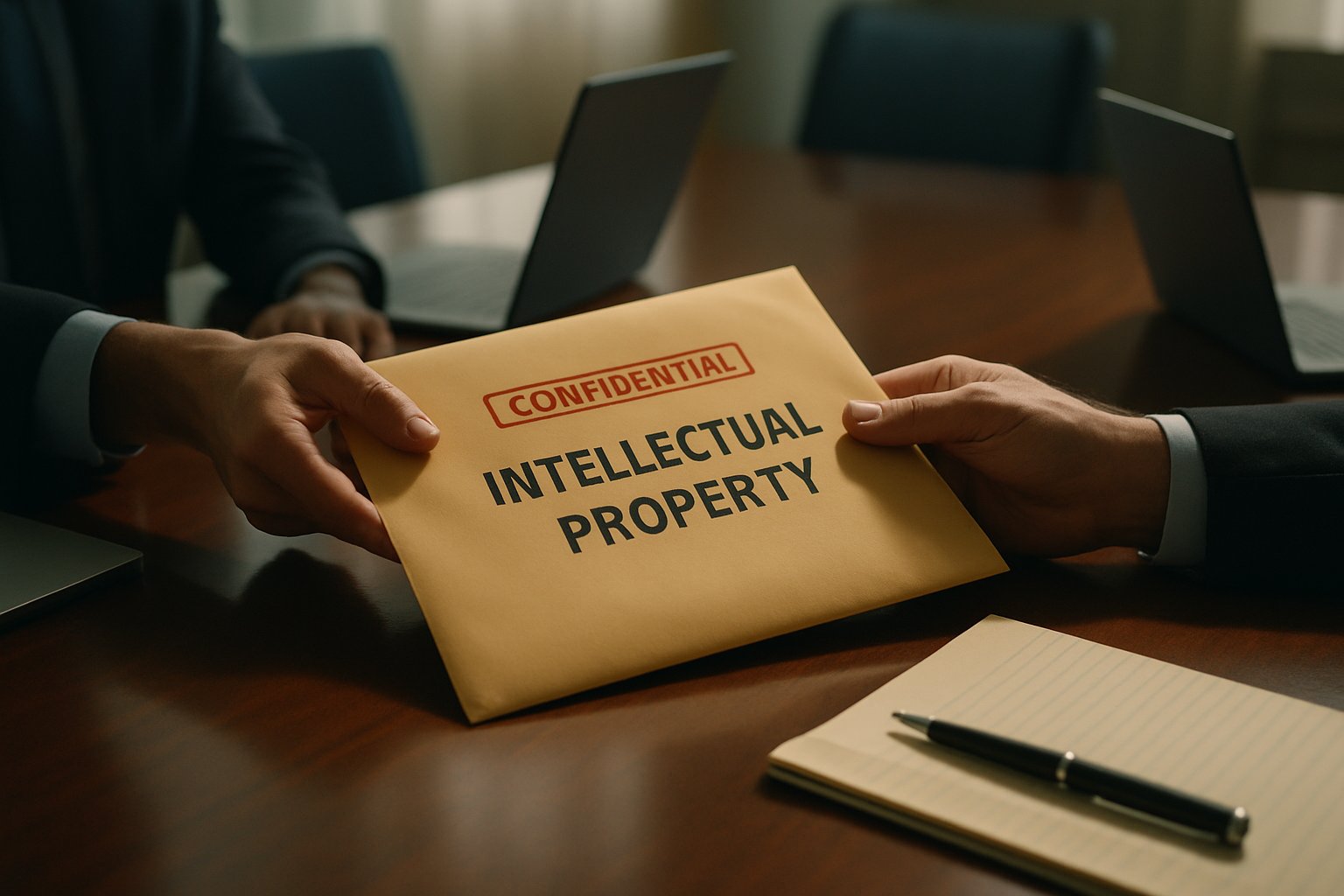
Plaintiffs also name Anthropic founders Dario Amodei and Benjamin Mann personally. In contrast, earlier litigation targeted only the corporate entity. Therefore, individual liability raises pressure for rapid settlement.
- Works alleged: 20,517 total
- Pirated scans: 714 songbooks
- Potential damages: >$3 billion
These numbers illustrate extraordinary exposure for the startup. However, the final figure depends on willfulness findings and judicial discretion. Subsequently, observers expect aggressive motion practice on both sides.
Massive Statutory Damage Claims
Under 17 U.S.C. § 504(c), courts may award up to $150,000 per willful infringement. Therefore, each disputed composition amplifies risk exponentially. Additionally, the complaint invokes DMCA claims for removed metadata, further widening potential penalties.
This aggressive posture signals publishers’ intent to establish a high-cost deterrent. Nevertheless, Anthropic can argue damages should be far lower because model outputs differ from original lyrics.
Courts must balance creative protection with innovation incentives. Consequently, precedent here will heavily influence future Intellectual Property Legal disputes involving generative AI.
Key Piracy Acquisition Evidence
Discovery from Bartz v. Anthropic revealed torrent downloads of songbook archives like Library Genesis. Furthermore, internal chat logs allegedly show executives approving such acquisitions. Concord emphasizes these facts to frame Anthropic’s conduct as willful Piracy.
Judge Alsup previously ruled that fair-use defenses cannot excuse the initial theft of content. Subsequently, publishers copied that reasoning into their new pleading.
If courts accept this separation, AI firms may escape liability for transformative training yet remain exposed for illegal sourcing. In contrast, a defense victory could normalize current data-collection practices.
Discovery From Bartz Case
During 2025, authors suing Anthropic forced production of download manifests. Moreover, those documents listed more than seven million pirated books and hundreds of songbooks. Consequently, publishers gained a detailed map of infringed works.
The authors settled for $1.5 billion in September 2025. However, that payout did not resolve music claims. Therefore, publishers leveraged Bartz materials to draft their January complaint quickly.
Such cross-case evidence sharing demonstrates how coordinated plaintiffs can escalate Intellectual Property Legal threats across media sectors.
Fair Use Legal Uncertainties
Many developers assert that training large language models qualifies as transformative fair use. However, U.S. courts remain split on this question. Judge Alsup accepted transformative arguments yet condemned Piracy-based acquisition methods.
Other judges may view the issues differently. Meanwhile, Congress has not clarified AI’s fair-use scope. Consequently, businesses must navigate shifting precedent and rising litigation costs.
Professionals can strengthen compliance skills with the AI+ Legal Strategist™ certification. Moreover, structured learning helps companies audit datasets and develop defensible sourcing policies.
High Industry Precedent Stakes
Music publishers argue that unchecked copying will erode songwriting revenue. In contrast, AI advocates warn that crushing damages could stifle research competition. Therefore, the court’s ruling will echo far beyond Concord and Anthropic.
Institutions negotiating licenses now price risk into every discussion. Additionally, venture investors demand clearer paths to dataset legitimacy. Consequently, settlement talks often hinge on predictable Intellectual Property Legal frameworks.
Business Impact For AI
The music suit follows Anthropic’s costly authors’ deal. Moreover, repeated payouts threaten the firm’s valuation and growth plans. Other developers monitor the docket closely, fearing similar claims over images or video.
Licensing intermediaries sense opportunity. Consequently, several startups offer certified lyric, melody, and stems libraries. Adoption could accelerate if courts punish Piracy harshly.
Yet licensing at scale remains expensive. Therefore, smaller labs may exit markets or focus on public-domain corpora until rules stabilize.
Compliance And Licensing Paths
Risk officers should map all data sources and retain provenance logs. Additionally, pre-training filtering can remove suspect files. Companies should also budget for negotiated agreements with major publishers.
A practical roadmap might include:
- Dataset audit within 60 days
- Negotiation of blanket lyric licenses
- Implementation of output attribution tools
These steps limit exposure while preserving model quality. Nevertheless, no process eliminates uncertainty until legislators or higher courts settle Intellectual Property Legal doctrines.
Upcoming Litigation Milestones Roadmap
The docket will soon feature motions to dismiss, venue challenges, and possible injunction bids. Furthermore, early discovery may unearth additional torrent evidence.
Key dates to watch include the expected scheduling conference in March 2026. Subsequently, the court could set an aggressive timeline given public interest.
Parties may pursue mediation after initial rulings on dismissal motions. However, the $3 billion gap makes compromise difficult. Therefore, trial preparation might proceed in parallel.
These milestones will clarify strategic leverage. Moreover, outcomes could influence other AI defendants facing similar claims.
Understanding each phase supports proactive risk planning. Consequently, legal teams should monitor filings daily and adjust retention strategies accordingly.
Conclusion And Outlook
The Concord suit thrusts Anthropic into another high-stakes Intellectual Property Legal confrontation. Moreover, the complaint’s focus on Piracy acquisition distinguishes it from broader fair-use debates. Publishers leverage detailed evidence, massive damage formulas, and personal liability tactics to maximize pressure.
Conversely, Anthropic will argue transformative use, innovation benefits, and proportional remedies. Meanwhile, investors, developers, and songwriters await guidance that balances creativity and technology.
Stakeholders should track upcoming motions, pursue dataset audits, and explore structured learning. Therefore, consider advancing expertise through certifications like the AI+ Legal Strategist™ program. Robust knowledge today positions firms for compliant growth tomorrow.


