

AI CERTS
2 hours ago
Instacart Faces Backlash Over AI Algorithmic Pricing Tests
At the controversy’s core sits AI Algorithmic Pricing, a tool Instacart obtained through its 2022 Eversight acquisition. Moreover, the scandal surfaces amid stubborn inflation, prompting fresh scrutiny of everyday household budgets. This article unpacks the timeline, data, regulatory stakes, and future implications for digital retail. Meanwhile, professionals will gain actionable insights for safeguarding brand trust in an algorithmic economy. In contrast, Instacart insists the tests were randomized and never used personal demographics. Nevertheless, the company stopped the practice to restore confidence before holiday Grocery demand peaked.
AI Algorithmic Pricing Fallout
Groundwork Collaborative and Consumer Reports published a December report detailing stark price disparities across 437 volunteer shoppers. Consequently, the story ignited social media anger and mainstream headlines within hours. Shoppers shared screenshots showing the same Grocery staples costing wildly different amounts on parallel accounts. Meanwhile, senators labeled the hidden tests "creepy, costly, and unfair". Instacart’s share price slid sharply as investors questioned revenue vulnerability amid inflation pressures.
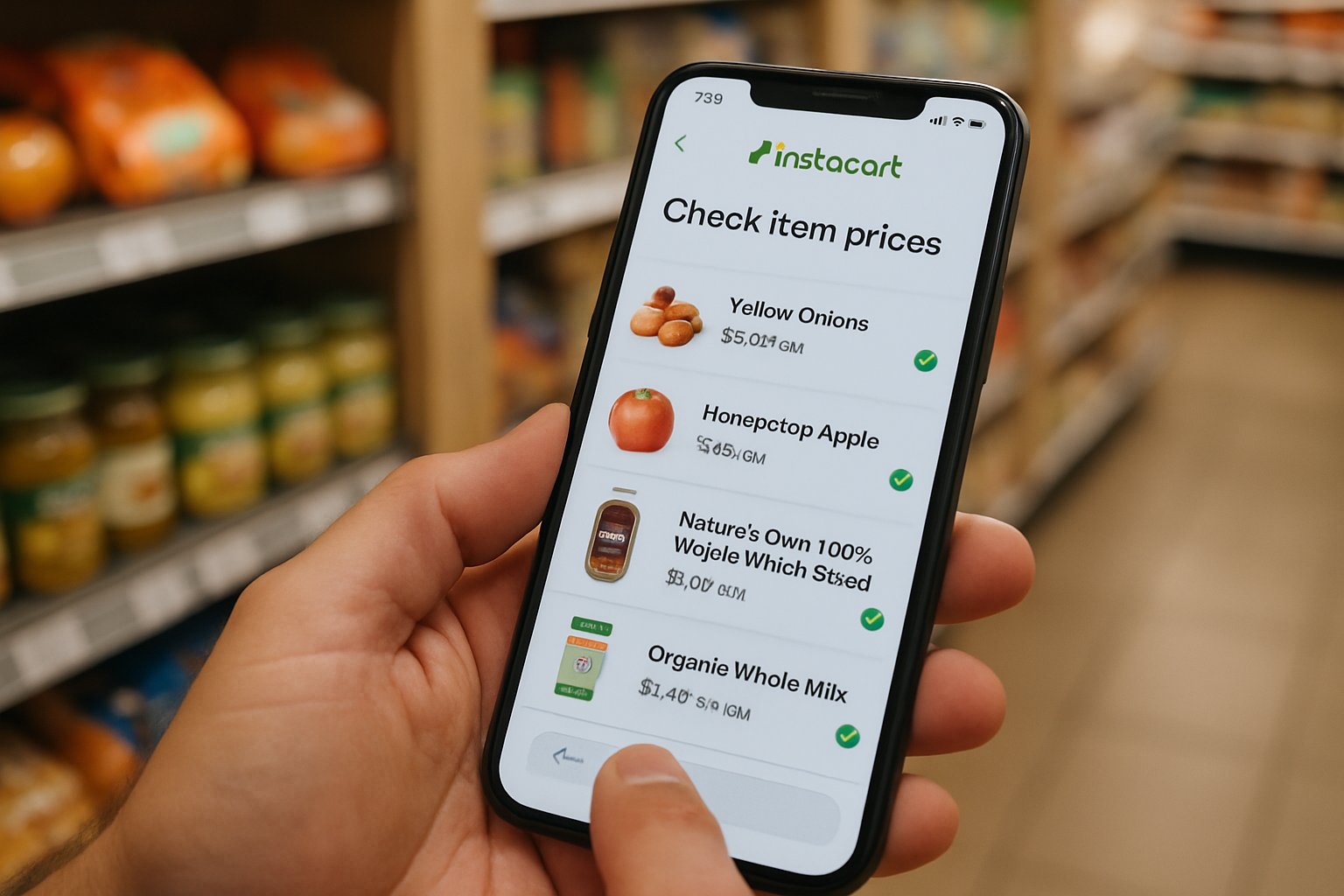
Critics argue that AI Algorithmic Pricing eroded the marketplace’s most basic expectation—equal treatment for equal carts. Moreover, food budgets already strained by inflation faced an invisible surcharge during a holiday season. In response, Instacart pledged price parity, halted experiments, and promised clearer disclosures. These reactions underscore the reputational stakes for any platform deploying opaque experimentation. Transparency failures damaged trust within days. However, understanding how the crisis escalated requires a closer look at the timeline.
Timeline Of Rapid Escalation
Events unfolded quickly after the December 9 investigation report went live. Subsequently, Reuters confirmed that the FTC issued a civil investigative demand on December 17. Meanwhile, Instacart published a blog post defending randomized tests and denying personalized targeting. The next day, Senators Schumer and Klobuchar urged the agency to act, citing Grocery affordability risks. On December 22, Instacart ended item-level experiments, declaring identical prices for simultaneous shoppers.
The swift sequence amplified market anxiety and political attention. Therefore, AI Algorithmic Pricing chronology clarifies regulatory stakes.
Investigation Data Key Highlights
Consumer researchers designed a controlled study across four cities and 437 participants. They built identical 18-item baskets and placed concurrent orders to capture algorithmic price variation. Investigators recorded per-item differences reaching 23 percent, with average basket gaps around seven percent. Moreover, approximately 74 percent of tested products showed two or more prices.
- Maximum per-item delta: 23% identical product spread.
- Items with multiple prices: 74% of sample.
- Average basket divergence: 7% across parallel carts.
- Projected annual household cost: up to $1,200, according to the report.
Investigators concluded that AI Algorithmic Pricing introduced unpredictable volatility into household budgets. Consequently, these figures suggested meaningful household impacts, especially during prolonged inflation. Nevertheless, Instacart disputed the projection as misleading and asserted benefits from data-driven promotions. Statistical clarity sharpened the controversy’s stakes. However, the company’s public defense sought to reframe methodology and intent.
Instacart Initial Defense Strategy
Instacart emphasized that AI Algorithmic Pricing experiments mirrored classic A/B testing, not dynamic or personalized pricing. Furthermore, the firm claimed shoppers were randomly assigned to price cohorts without demographic inputs. The December 18 blog post argued experiments helped retailers discover optimal promotions that could lower prices overall. In contrast, critics countered that undisclosed tests on essential Grocery goods violated fairness norms.
Instacart also stressed compliance with the New York Algorithmic Pricing Disclosure Act now in force. Nevertheless, regulators signaled that disclosure alone may not neutralize potential consumer harm. Corporate messaging slowed but did not stop the backlash. Therefore, legal exposure remains a pressing concern.
Regulation And Legal Uncertainty
The FTC inquiry into AI Algorithmic Pricing runs parallel to a separate $60 million settlement over delivery marketing. Additionally, New York requires clear notices when personal data shapes online prices. Congress is debating the Stop AI Price Gouging and Wage Fixing Act, which would ban surveillance-based personalization. Moreover, state attorneys general are testing new consumer protection theories tied to algorithmic deception. Industry groups warn that sweeping prohibitions could stifle data-driven discounts that help families fight inflation.
Regulatory paths remain fluid across federal and state venues. Consequently, companies need adaptive compliance playbooks, as market trust hangs in the balance.
Immediate Market Trust Repercussions
Instacart’s stock dropped after Reuters broke news of the FTC demand. Subsequently, analysts cut growth forecasts, citing reputation damage and possible fee adjustments. Analysts warned that mishandling AI Algorithmic Pricing could trigger wider antitrust scrutiny. Retail partners also faced press queries about undisclosed experimentation on household essentials. In contrast, some investors viewed the policy reversal as a strategic reset that could restore confidence. Nevertheless, sentiment surveys show lingering skepticism toward opaque digital checkout processes.
Brands should monitor algorithmic test governance and strengthen audit trails. Therefore, internal teams must coordinate legal, data science, and customer support functions before launching future pilots. Reputation management now intersects with technical oversight. However, sustainable solutions hinge on ethical design and professional upskilling.
Future Of Ethical Pricing
Experts predict that AI Algorithmic Pricing will survive, yet transparency standards will tighten. Furthermore, retail boards are commissioning third-party audits to demonstrate fairness in algorithm deployment. Academic economists urge randomized trials with public registries, similar to clinical study disclosure norms. Moreover, professionals can upskill through the AI Supply Chain™ certification covering responsible deployment.
Retailers should publish plain-language summaries of any active price experiments before launch. Consequently, shopper trust may rebound, even during volatile cost cycles. Ethical safeguards can secure AI Algorithmic Pricing’s social license. Therefore, future growth will depend on balancing analytics power with transparent communication.
Conclusion And Next Steps
Instacart’s reversal shows how quickly policy can shift when opacity collides with essential daily goods. Moreover, the AI Algorithmic Pricing saga demonstrates that experimentation without consent invites legislative fire. Regulators will keep probing data governance, while retailers refine controls and disclosures. Consequently, boardrooms must integrate ethics, legal insight, and statistically sound research before deploying any algorithm. Meanwhile, professionals seeking deeper oversight skills should explore the linked certification and emerging guidelines. Act now to build responsible commerce frameworks that protect shoppers and sustain competitive advantage.


