

AI CERTS
2 months ago
India’s Smartphone Security Rules Debate: Source Code Access?
Nearly 750 million handsets operate nationwide, according to Counterpoint Research. Consequently, policymakers argue that stronger device testing is essential. Vendors, meanwhile, warn the plan risks trade secrets and update delays. This overview explains the timeline, competing narratives, and likely next steps.
Reuters Report Sparks Debate
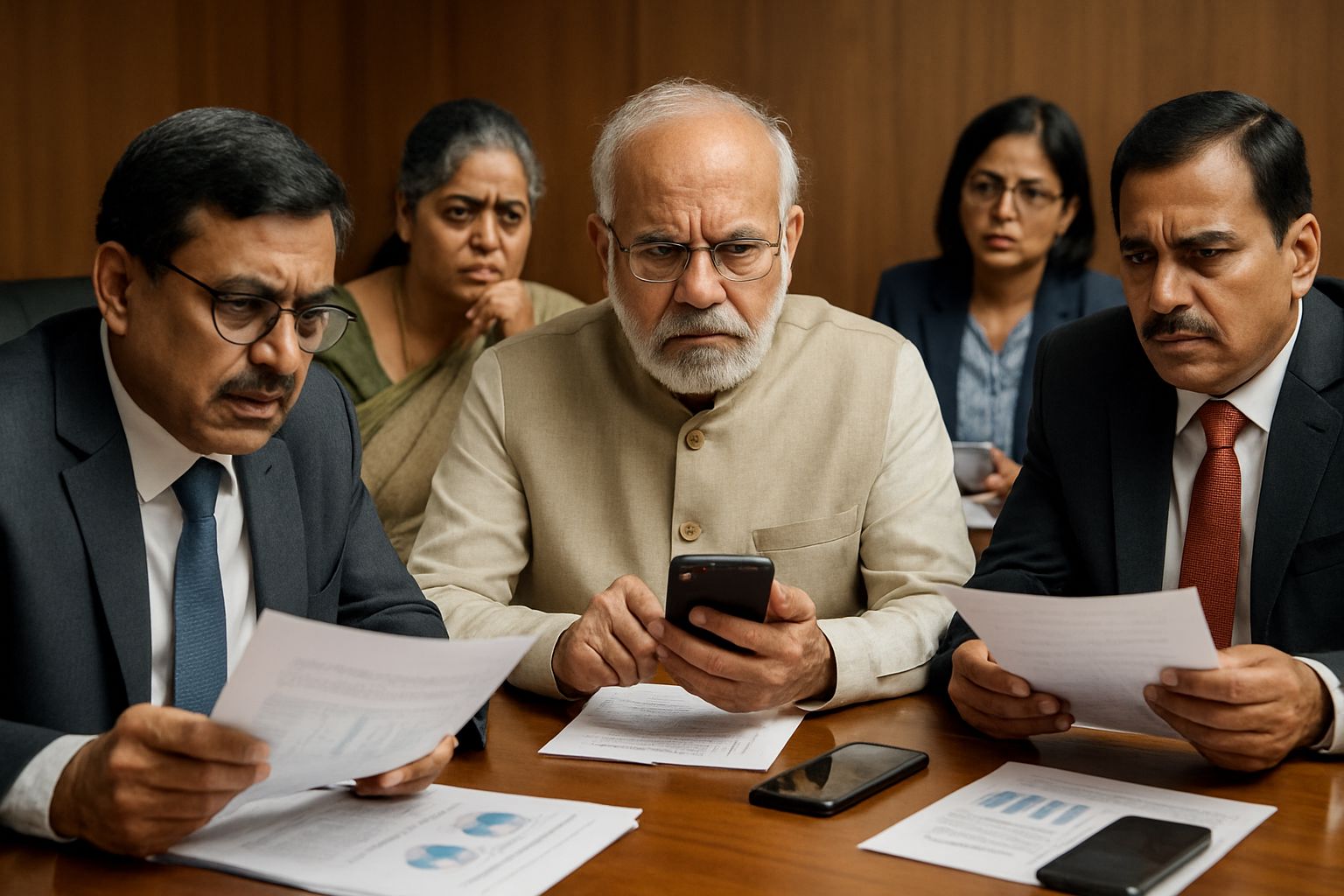
Reuters claimed the National Centre for Communication Security circulated 83 draft requirements. Importantly, one clause would allow Indian labs to examine Source Code for vulnerability analysis. Additionally, vendors would need government notice before major updates, run monthly malware scans, and keep year-long device logs. These elements sit at the heart of the alleged Smartphone Security Rules.
Industry body MAIT pushed back in a confidential memo. “This is not possible … due to secrecy and privacy,” it warned. Moreover, Apple and Android partners privately echoed similar fears, Reuters added. In contrast, security officials insist lab reviews would protect citizens against growing mobile threats.
The competing claims underline regulatory uncertainty. However, both sides agree the stakes are huge for India Government ambitions and vendor profitability. These tensions set the stage for open consultations.
The report crystalised three core questions. First, will mandatory Source Code access survive industry lobbying? Second, can update approvals coexist with urgent patch cycles? Third, could India’s move inspire other Tech Regulation drives? These unknowns drove immediate market chatter. Consequently, analysts flagged potential compliance costs and shipment delays.
Those unanswered issues summarise this section. Nevertheless, official reactions quickly shifted focus, as the next section explains.
Government Swiftly Denies Rule
Hours after publication, the Press Information Bureau issued a fact-check. “The Government of India has NOT proposed any measure to force smartphone manufacturers to share their Source Code,” it stated. Furthermore, IT Secretary S. Krishnan said consultations would address “legitimate concerns … with an open mind.”
Meanwhile, MeitY officials emphasised that discussions remain routine. They referenced December 2025, when the Department of Telecommunications reversed its Sanchar Saathi pre-install order following privacy backlash. Therefore, authorities argue they listen to industry and civil society.
Nevertheless, the clarification did not release the draft. Consequently, observers still wonder what the working text contains. The absence of documents fuels speculation that the Smartphone Security Rules could resurface in revised form.
These denials temper immediate anxiety. However, uncertainty persists; thus, companies continue scenario planning, as the next section details.
Industry Raises Strong Objections
Major vendors command India’s booming market: Xiaomi 19%, Samsung 15%, and Apple about 5%. Consequently, any intrusive rule touches millions of devices. Companies argue mandatory Source Code disclosure undermines global IP protections. Additionally, continuous malware scanning might drain batteries and raise privacy alarms.
MAIT’s memo listed four impractical demands:
- Advance approval of critical security patches
- Monthly malware scans executed by system apps
- Mandatory log storage for 12 months
- Removal of all pre-installed apps by users
Moreover, Apple historically resisted government backdoor requests in other jurisdictions. In contrast, Indian officials believe local testing labs reduce imported risk. Therefore, the clash reflects a classic security versus innovation trade-off within modern Tech Regulation.
The objections highlight practical and legal risks. However, supporters claim stronger certification boosts trust, as the subsequent section explores.
Security Goals And Precedents
Supporters note that large-scale attacks increasingly exploit mobile firmware. Consequently, proactive vulnerability analysis can save billions in fraud losses. Internationally, telecom equipment already faces conformance testing under schemes such as Common Criteria. India Government wants similar assurance for smartphones through the proposed Smartphone Security Rules.
NCCS oversees Telecom Security Test Labs. These accredited facilities could review Source Code under strict NDAs and air-gapped networks. Furthermore, Governments in Russia and China have previously sought code escrow for critical products. Nevertheless, no major democracy currently mandates full handset Source Code disclosure.
Therefore, India would set a novel precedent. Critics argue that precedent could fragment global supply chains. Supporters counter that local testing deters espionage and raises bar for software quality.
These contrasting precedents reveal benefit-risk balances. However, feasibility questions remain significant, as examined next.
Technical And Legal Feasibility
Running a comprehensive Source Code review on modern mobile stacks is daunting. Android forks contain millions of lines, while Apple guards iOS even more tightly. Moreover, each monthly patch adds fresh code needing repeated audits. Consequently, secure labs need high capacity, skilled engineers, and iron-clad confidentiality.
Intellectual property laws further complicate sharing. Foreign export controls and company policies may bar code transfer to external entities. Additionally, India’s new data protection act imposes duties to minimise sensitive data exposure. Therefore, legal counsel warns of tangled compliance webs if the Smartphone Security Rules proceed unchanged.
Alternatives exist. Some jurisdictions allow on-site inspections or cryptographic attestations instead of raw Source Code handover. Furthermore, vendors could provide symbolically stripped code, letting static tools scan for known patterns. Nevertheless, Indian officials have not outlined such compromises.
The feasibility gaps underscore negotiation urgency. Yet, global implications warrant broader comparison, addressed in the following section.
Global Comparisons And Risks
In contrast to India, the European Union focuses on post-market obligations through the Cyber Resilience Act. The United States debates vulnerability disclosure but stops short of mandatory Source Code access. Moreover, most mature markets rely on voluntary certifications like ISO 27001.
Consequently, multinational vendors fear a “splinternet” of divergent security regimes. Managing parallel firmware branches for India would inflate engineering budgets. Investors also worry about shipment delays affecting festive quarters. Meanwhile, privacy advocates caution that government access could enable surveillance, eroding public trust.
However, supporters argue that stronger local assurance could attract enterprise buyers who demand audited devices. Additionally, trusted lab programs might spur domestic cybersecurity talent. Therefore, strategic risks coexist with potential advantages.
These comparisons expose potential market fragmentation. Nevertheless, stakeholders still need clarity on next procedural steps, which the final section outlines.
What Comes Next India
MeitY says stakeholder meetings will continue in Q1 2026. Draft clauses may shift before any Gazette notification. Subsequently, NCCS would publish final technical schedules, and compliance timelines would follow. Experts expect phased deadlines to prevent supply shocks.
Industry groups plan to lobby for alternative assurance models without full Source Code handover. Moreover, civil society will press for transparent oversight and privacy safeguards. Meanwhile, professionals can enhance their policy literacy through continuing education. For instance, managers can deepen governance skills via the AI Human Resources™ certification.
Therefore, vigilant monitoring remains essential. Companies should prepare impact assessments, prototype secure escrow options, and align messaging with global Tech Regulation trends.
This roadmap frames the immediate horizon. However, implementation details will determine real-world burdens on vendors and users.
Key Takeaways Summary
• Reuters alleges intrusive Smartphone Security Rules; government calls report premature.
• India Government seeks stronger device assurance amid rising cyber threats.
• Vendors, including Apple, decry Source Code disclosure as risky and impractical.
• Technical, legal, and market challenges cloud feasibility.
Consequently, the coming months will test policymakers’ ability to balance security, innovation, and global alignment.
Strategic Action Points
1. Track official notifications and meeting minutes.
2. Engage industry bodies to shape draft language.
3. Assess lab escrow models to protect intellectual property.
4. Align internal patch processes with potential approval windows.
5. Upskill teams on regional Tech Regulation nuances.
These actions can buffer sudden compliance shocks. Additionally, they position firms for constructive dialogue when final Smartphone Security Rules emerge.
Conclusion
India’s debate over Smartphone Security Rules spotlights the complex dance between national security and corporate secrecy. Government denials ease immediate tension, yet draft texts still loom. Furthermore, industry objections emphasise operational strain and IP peril. Nevertheless, heightened mobile threats demand credible assurance mechanisms. Therefore, stakeholders must pursue pragmatic middle ground while monitoring legislative calendars.
Professionals should stay informed, model potential costs, and engage regulators early. Meanwhile, expanding governance knowledge can sharpen advocacy. Consequently, consider advancing your expertise through the AI Human Resources™ certification and prepare for the next wave of Tech Regulation challenges.


