

AI CERTS
2 hours ago
India’s Deepfake Takedown Rules Upend Platform Compliance
These provisions, collectively known as the Deepfake Takedown Rules, became effective on 20 February. Moreover, the amendments compress takedown deadlines from days to mere hours. Stakeholders now face unprecedented compliance pressure. Therefore, understanding every clause is critical.
Deepfake Takedown Rules Snapshot
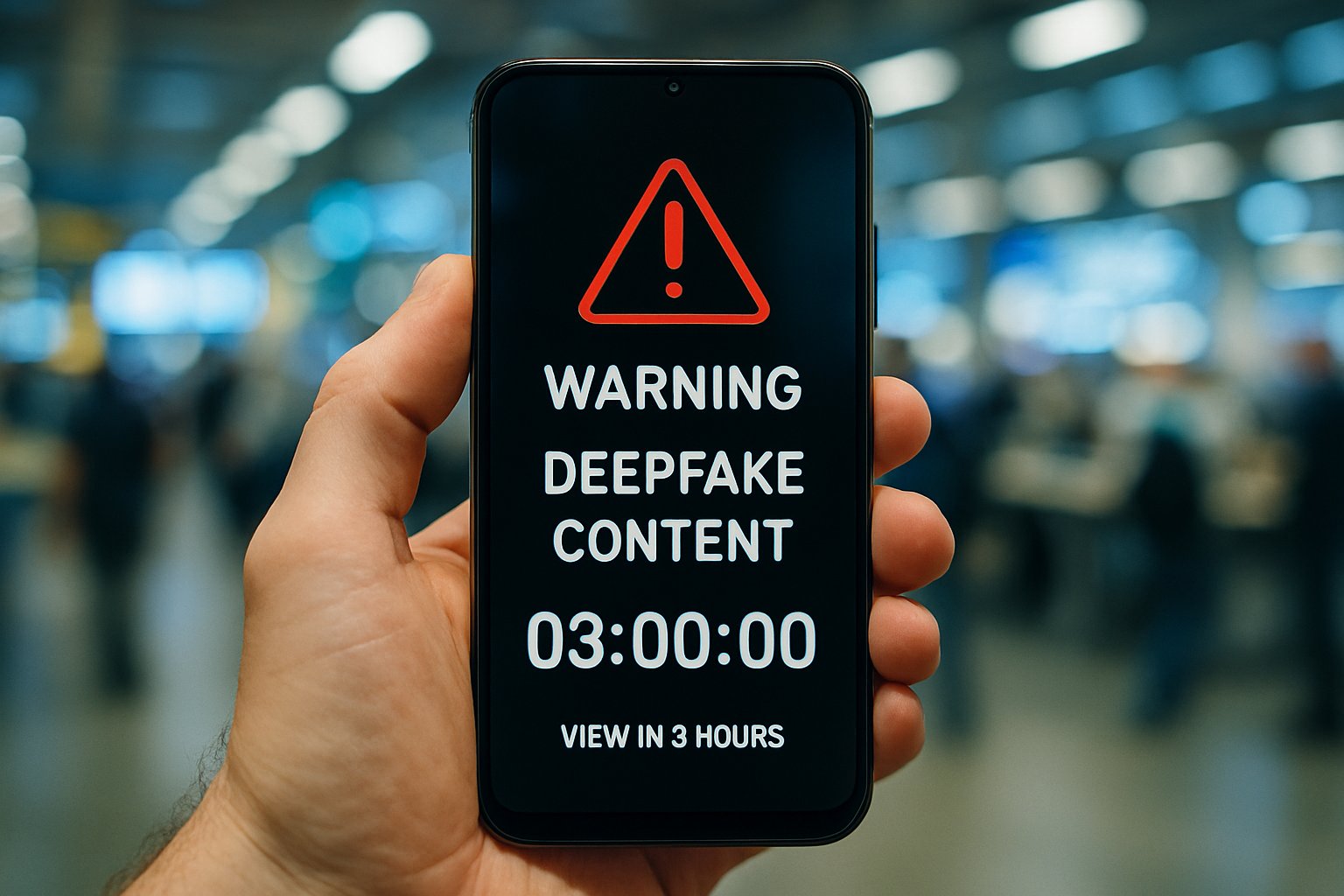
The Deepfake Takedown Rules create strict obligations for intermediaries. Firstly, platforms must erase unlawful synthetic content within three hours after receiving court or government orders. Additionally, a two-hour deadline applies when complaints involve non-consensual sexual imagery. MeitY argues the aggressive clocks limit viral harm. However, critics question feasibility. India hosts over 800 million internet users, so moderation scale is massive. Safe Harbor status under Section 79 hinges on adherence. Consequently, boards and compliance officers cannot ignore the timetable. These highlights show why the debate has intensified nationwide. Nevertheless, further technical duties deepen responsibility.
Takedown Clock Core Mechanics
Intermediaries gain “actual knowledge” through two channels: a reasoned written notice from an authorised officer, or a court directive. Subsequently, the three-hour clock starts. Platforms must acknowledge receipt immediately, disable the asset, and confirm action to authorities. Furthermore, significant social media intermediaries must keep real-time dashboards for order tracking. Experts such as Rohit Kumar label the schedule “materially compressed” compared with earlier 24-hour windows. In contrast, MeitY insists victims deserve faster relief. Non-compliance risks loss of Safe Harbor and potential criminal exposure. Therefore, executive leadership needs 24/7 legal and technical escalation teams. These procedural triggers illustrate operational urgency. Accordingly, labelling requirements add another complex layer.
Labelling And Provenance Duties
Besides speed, the Deepfake Takedown Rules impose persistent disclosure mandates. Platforms must attach visible labels to synthetic visuals and audio prefaces to manipulated sound. Moreover, embedded metadata must survive re-uploads. MeitY references provenance frameworks like C2PA yet stops short of prescribing one schema. Consequently, engineering teams must balance watermark robustness with user experience. Civil-society groups warn that heavy watermarking may still break during screenshots. Nevertheless, provenance signals promise greater transparency. Professionals can enhance their expertise with the AI Policy Maker™ certification. These technical duties deepen due diligence obligations. However, cost considerations loom for every platform.
Victim Relief Immediate Benefits
Supporters stress real-world impact. Faster removals curb impersonation, election manipulation, and character assassination. Additionally, mandatory labels empower citizens to question suspicious clips. Therefore, public trust could improve long term. These benefits reveal why policymakers acted decisively. Nonetheless, implementation remains daunting.
Platform Operational Cost Challenges
Meeting three-hour deadlines requires round-the-clock moderation hubs inside India. Moreover, automated detection systems must flag suspect uploads in seconds. Industry analysts project steep investments in machine vision, speech analysis, and local legal staffing. Consequently, smaller firms fear market exit. The IT Amendment also introduces mandatory user declarations before publishing AI-generated media, adding friction to content workflows. Meanwhile, persistent provenance demands cross-platform coordination, which platforms rarely share today. Critics contend that accelerated rules incentivise over-blocking to avoid penalties. Nevertheless, major brands plan phased rollouts while seeking clarifications.
- 800 million+ Indian internet users amplify moderation workloads.
- Previous takedown windows averaged 24-36 hours.
- Three-hour compliance may shorten harm spread by 90% according to MeitY estimates.
These numbers spotlight the scale of upcoming changes. Consequently, legal exposure also multiplies.
Legal Risks And Safeguards
The IT Amendment explicitly ties compliance to continued Safe Harbor protection. Therefore, one missed order could lift liability shields. Moreover, the Bharatiya Nyaya Sanhita may impose criminal penalties for defamation or obscenity linked to deepfakes. Aprajita Rana of AZB & Partners notes that compressed windows depart from global free-speech norms. Meanwhile, the Internet Freedom Foundation fears government intimations could chill satire.
Nevertheless, judicial review remains possible, offering a feedback loop. Platforms are lobbying MeitY for standard operating procedures outlining authorised officers. Clearer guidance might reduce arbitrary takedown pressures. These legal concerns highlight the delicate policy balance. However, market forces continue pressing forward.
Market Impact And Outlook
India’s approach may set an international template. Consequently, other large democracies could mirror the Deepfake Takedown Rules to fight synthetic abuse. Global platforms might adopt uniform provenance tags to simplify engineering. Furthermore, compliance investments could spawn new third-party verification startups. Conversely, rigid timelines might deter emerging creators or smaller social networks from entering India.
The coming quarter will reveal initial enforcement data, expected MeitY FAQs, and possibly constitutional challenges. Therefore, stakeholders should monitor transparency reports for early trends. Overall, regulatory acceleration signals that AI governance is entering a decisive phase. These outlook factors suggest continued volatility. Nonetheless, informed preparation can mitigate shocks.
These insights complete our exploration. However, summarising action points will cement key lessons.
India’s Deepfake Takedown Rules redefine platform liability, compressing removal windows and attaching strict provenance duties. Moreover, the IT Amendment links adherence to Safe Harbor, raising stakes for every intermediary. Operational, legal, and technical challenges loom, yet faster victim relief remains a compelling policy goal. Nevertheless, balanced implementation will decide success. Consequently, professionals should track guidance updates and invest in policy literacy. Explore advanced pathways such as the AI Policy Maker™ certification to navigate this evolving landscape.


