

AI CERTs
5 hours ago
India’s AI Harm Reporting Mechanism Speeds Grievance Redressal
Grievance desks worldwide struggle with volume, language barriers, and delayed action. Consequently, India now positions artificial intelligence at the heart of its new Harm Reporting Mechanism. The initiative upgrades national and local complaint portals with multilingual chatbots, smart routing, and live analytics. Moreover, early pilots show shorter resolution cycles and rising usage, especially among rural citizens. However, experts urge equal focus on transparency, accountability, and data safeguards.
The NextGen CPGRAMS program anchors this national push. Meanwhile, sector platforms like the National Consumer Helpline and the CSC–Salesforce console extend reach to millions. Together, they form a layered Harm Reporting Mechanism that promises faster justice while redefining governance workflows.
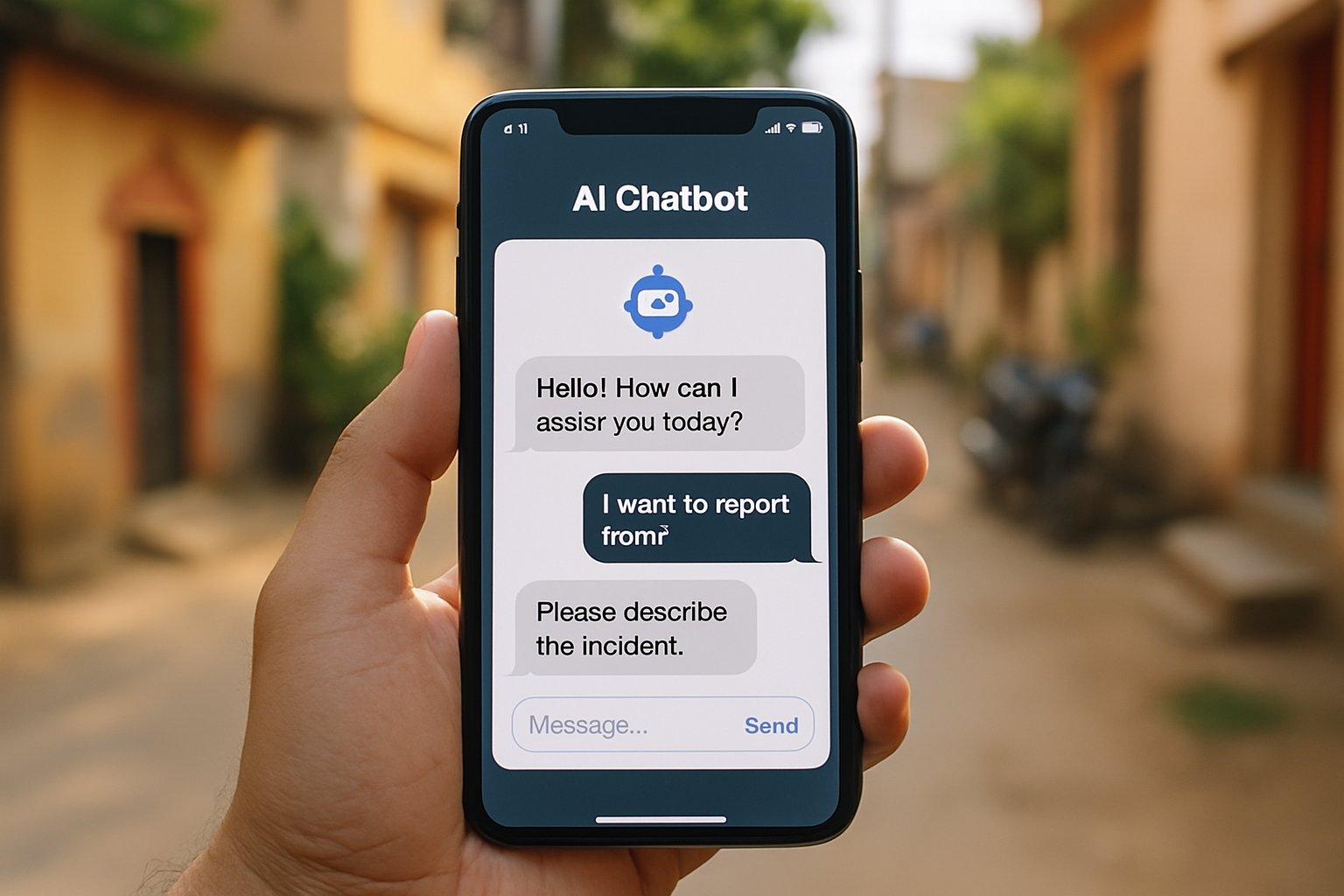
India's AI Redressal Push
DARPG leads the largest rollout. Furthermore, its April 2025 report outlines omnichannel filing, AI categorisation, and feedback loops. E&Y consults on process redesign, while Accenture builds system integrations. Additionally, Digital India’s Bhashini supplies the multilingual chatbot stack. These converging projects convert legacy queues into one coordinated Harm Reporting Mechanism.
The National Consumer Helpline offers proof. After NCH 2.0 introduced speech recognition, monthly calls leapt from 12,553 in 2015 to 155,138 in 2024. Average disposal time dropped from 66 days to 48. Consequently, officials hail the system as a model for other ministries.
These successes highlight AI’s acceleration potential. Nevertheless, public audits remain sparse, raising governance questions. The section ahead details the technical core that powers this Sutras-inspired design.
Key AI Technology Components
Classification engines assign every complaint a topic, urgency, and destination. Moreover, named-entity tools extract ministry names and district tags. Speech-to-text modules convert voice calls into searchable text across 22 languages. In contrast, translation layers bridge dialect gaps in real time. Together, they sustain the Harm Reporting Mechanism at national scale.
Dashboards built with IIT Kanpur’s IGMS 2.0 visualise live metrics. Consequently, grievance officers spot hotspots within minutes. Bhashini chatbots handle text, voice, WhatsApp, and kiosks, ensuring inclusivity for citizens regardless of literacy. Additionally, LLM pilots test conversational filing guidance.
Professionals can enhance their expertise with the AI Security Compliance™ certification. The course covers risk controls vital for any large public Harm Reporting Mechanism.
These components create a responsive backbone. However, real impact depends on measurable benefits, reviewed next.
Benefits At National Scale
The government cites multiple wins:
- Disposal time on CPGRAMS averaged 17 days in 2023, down from 27 in 2021.
- CSC’s platform can now serve 600,000 Village Level Entrepreneurs across 700,000 villages.
- Complaint categorisation accuracy reportedly exceeds 85 percent for top ten categories.
Moreover, multilingual access expands citizen inclusion. Rural women increasingly use voice chatbots, according to CSC data. Consequently, the Harm Reporting Mechanism strengthens governance reach and accountability loops.
Yet, numbers reveal only part of the story. The following section addresses emerging risks that could dilute trust.
Risks And Open Questions
Bias lurks within automated classifiers. In contrast, dialect variance can lower speech accuracy for marginalised citizens. Moreover, privacy concerns rise because grievance texts often hold personal details. Limited publication of model cards weakens accountability.
Vendor lock-in adds another layer. Accenture, Salesforce, and cloud providers host critical pipes. Therefore, procurement transparency and open standards remain urgent Sutras for sustainable governance.
These gaps underline a delicate balance. Nevertheless, structured oversight can resolve many issues, as the next section explains.
Vendor Landscape And Roles
Several players steer India’s Harm Reporting Mechanism forward:
- DARPG sets policy and funds upgrades.
- E&Y refines workflows and change management.
- Accenture integrates AI modules across ministries.
- Digital India’s Bhashini localises chatbots for citizens.
- Salesforce powers CSC’s omnichannel console.
Furthermore, IIT Kanpur maintains the analytics backbone. The private–public mix offers global tooling with local context. Nevertheless, strong governance contracts must ensure data residency and accountability clauses.
Clear division of duties enhances resilience. However, future innovation hinges on codified principles, explored in the concluding Sutras.
Future Steps And Sutras
Policy drafters propose three guiding Sutras. First, publish detailed audit trails for every automated decision. Second, mandate periodic bias testing across regions and languages. Third, embed human-in-the-loop checkpoints for escalated cases.
Moreover, the Harm Reporting Mechanism should align with upcoming Data Protection Act rules. Consequently, citizens gain stronger recourse rights. Additional sandbox pilots can test new LLM features before nationwide adoption.
These Sutras promise adaptable governance. Therefore, the initiative can sustain trust while scaling innovation.
The remaining paragraphs summarise the journey and invite professional engagement.
India’s AI grievance revolution progresses quickly. Efficiency metrics validate early optimism, and citizens increasingly rely on digital channels. However, sustained success demands rigorous governance and unwavering accountability. Professionals equipped with security credentials can steer these systems toward safer horizons.


