

AI CERTS
3 hours ago
India AI Sovereignty tested by massive Zoho Mail migration
This article unpacks numbers, audits, policy rationale, and outstanding risks behind the headline move. Readers will gain actionable insights and potential certification pathways for enhancing personal readiness. Therefore, stay engaged as we dissect the migration through technical and strategic lenses. Additionally, we highlight where transparency gaps remain and how stakeholders might close them. Ultimately, measured analysis clarifies whether benefits outweigh threats for national digital control.
India Email Migration Context
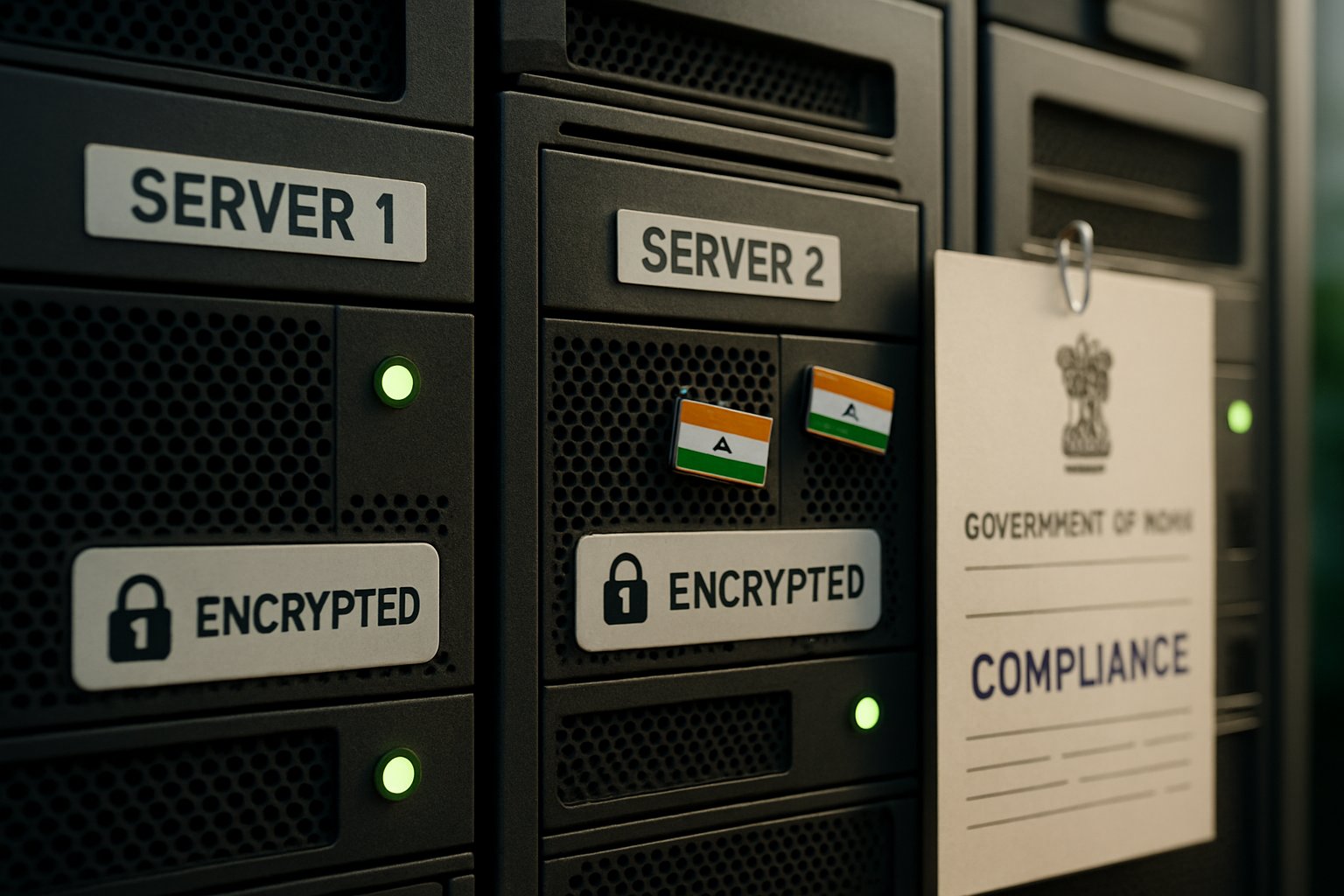
India's migration began with a 2023 procurement that selected Zoho as Master System Integrator. Subsequently, NIC oversaw phased rollouts that covered 7.45 lakh central employee accounts first. Later, state departments joined, pushing totals to 12.68 lakh by December 2025. Zoho Mail now hosts inboxes inside primary and disaster recovery data centres located within India. Furthermore, contracts mandate site separation beyond 500 kilometres to reduce correlated failure risk.
- Accounts migrated: 1.27 million across central and state entities.
- Central user share: 745,000 inboxes.
- Guaranteed uptime: 99.9 percent with dual Indian data centres.
- Security audits: STQC May 2024 and C-DAC August 2025 certified compliance.
- Tender aligned with India AI Sovereignty policies.
Reuters noted ministers switching addresses during September 2025, signaling political endorsement. Therefore, adoption accelerated once leadership moved. Key platform features include office suite tools, calendar integration, and mobile access. In contrast, legacy NIC email offered limited collaboration functions and dated user experience. India AI Sovereignty goals shaped each tender clause. These contextual facts frame the technical details that follow. However, secure implementation matters even more than speed.
Government Security Audit Findings
Security assurances anchor the contract narrative. C-DAC completed a full audit in August 2025 after earlier STQC assessments in May 2024. Moreover, Zoho passed roughly twenty separate evaluations, according to founder Sridhar Vembu. Auditors verified encryption at rest using RSA-256 and transport security through TLS 1.3. Additionally, multi-factor authentication, geo-fencing, and IP restrictions were validated across protocols. Service Level Agreements guarantee 99.9 percent uptime, with defined RTO and RPO windows.
Nevertheless, the government has not released complete audit reports for public scrutiny. Consequently, independent experts cannot confirm every control or remediation action. India AI Sovereignty advocates demanded verifiable compliance with Indian encryption standards. These findings reveal rigorous testing but also selective disclosure. Audit evidence supports reliability claims. Yet, policy context clarifies why such evidence became politically vital.
Key Policy Drivers Explained
Atmanirbhar Bharat underpins many recent technology buying decisions. Furthermore, ministers framed the email move as boosting domestic industry and digital autonomy. India AI Sovereignty principles argue data must reside under Indian jurisdiction with controllable supply chains. Therefore, choosing an Indian-owned SaaS vendor aligned with that narrative. Budgetary prudence also appeared important, though cost figures remain unpublished.
Meanwhile, productivity enhancement motivated agencies seeking modern collaboration functions. Policy speeches often linked modernization, cost savings, and Sovereignty goals into one story. These drivers demonstrate multifaceted intent beyond simple mailbox replacement. Political, economic, and security themes converge here. Next, we examine the open debate surrounding national control.
India AI Sovereignty Debate
Public discussion intensified once details reached Parliament. In contrast, civil-society technologists warned about vendor lock-in and opaque codebases. The Wire argued that outsourcing critical infrastructure weakens India AI Sovereignty rather than strengthening it. Additionally, critics highlighted potential RTI complications when data sits with a private entity. Reuters quoted experts demanding publication of full SLA enforcement metrics.
Nevertheless, government spokespeople emphasised contractual rollback provisions and Indian data centres. Zoho executives promised continued cooperation with NIC on independent oversight. Balanced evaluation requires weighing these competing sovereignty narratives against operational evidence. Debate remains lively and unresolved. Operational realities may offer clearer insights.
Critics Raise Serious Concerns
Several issues persist despite security assurances. Firstly, vendor lock-in could limit future migration choices or bargaining leverage. Secondly, proprietary code hinders independent vulnerability research and open integration. Moreover, missing cost disclosures obscure total ownership calculations. Consequently, budget watchdogs struggle to benchmark value against international norms. Sovereignty advocates question why NIC capacity was not modernised internally instead. Maintaining India AI Sovereignty, they say, demands open code and transparent costs.
Zoho points to rapid rollout metrics as proof of private sector agility. Mail service disruptions reported during migration also surfaced on community forums. However, empirical outage data remains unreleased, preventing objective impact assessment. These concerns underscore the stakes for national email infrastructure. Transparency and flexibility gaps dominate critical commentary. Yet, operational numbers will ultimately decide success.
Operational Implications Moving Ahead
Daily reliability metrics should validate or disprove performance promises. Therefore, NIC must publish uptime dashboards, incident reports, and root-cause analyses. Meanwhile, ministries need structured training to exploit new collaboration features within the platform. Consequently, user adoption curves and helpdesk tickets will reveal real productivity gains. In contrast, delayed change management could erode morale and negate potential savings. Achieving India AI Sovereignty also requires skilled talent for continuous oversight.
Professionals can deepen relevant skills through the AI Researcher™ certification. Such credentials prepare teams to audit, integrate, and optimise AI-enabled government services. These operational needs highlight opportunities for proactive capacity building. Publishing metrics and upskilling staff ensure sustainable benefits. Finally, decision makers should outline concrete follow-up tasks.
Actionable Next Steps Forward
Stakeholders can pursue several immediate actions. Firstly, request redacted contracts and audit summaries under transparency regulations. Secondly, push for ministry-wise migration statistics and outage logs. Thirdly, draft clear vendor exit strategies to preserve bargaining leverage. Furthermore, establish independent oversight committees with civil-society representation.
Reuters coverage can amplify accountability pushes when data remains hidden. Meanwhile, internal teams should benchmark actual costs against original business cases. Consequently, data-driven oversight will strengthen India AI Sovereignty objectives while safeguarding taxpayer value. These actions convert debate into practical governance. We conclude by summarising the broader picture.
India's email migration encapsulates the tension between innovation and control. Nevertheless, robust audits and localisation provisions suggest deliberate risk management. Critics remain wary of vendor dependence, opaque costs, and incomplete transparency. Therefore, continued publication of metrics, contracts, and exit plans is crucial. In contrast, disengagement would squander early productivity gains and undermine Swadeshi momentum.
India AI Sovereignty will ultimately hinge on measured governance rather than slogans alone. Additionally, professionals should upskill through recognised programmes to support accountable deployment. Explore certifications and join the national effort toward secure, resilient public infrastructure today.


