

AI CERTS
2 hours ago
Hydrogen Leak Delays Artemis II, Straining Aerospace Logistics
Meanwhile, program managers emphasize that rehearsals exist exactly to unveil such hazards before crews fly. This article unpacks the leak, the operational fallout, and emerging mitigation strategies. Moreover, it evaluates supply chain pressures facing critical pad hardware. Readers will gain actionable insights for planning resilient Aerospace Logistics frameworks across complex programs.
Consequently, executives in propulsion, ground systems, and risk management should track each technical update closely. Ultimately, mission success hinges on aligning engineering insight with agile logistical coordination. Therefore, understanding the latest schedule, constraints, and remediation steps remains essential for space portfolio planning.
Wet Dress Test Delay
NASA began fueling Artemis II on 31 January during a full wet dress rehearsal. However, sensors registered an unexpected Hydrogen leak at the tail service mast umbilical. Consequently, the ground launch sequencer halted the countdown automatically at T-5:15. Engineers had already loaded more than 700,000 gallons of propellant, matching the core stage capacity. Meanwhile, leak rates exceeded safety thresholds because hydrogen diffuses rapidly into confined cavities. In contrast, liquid oxygen systems showed no anomalies during the rehearsal.
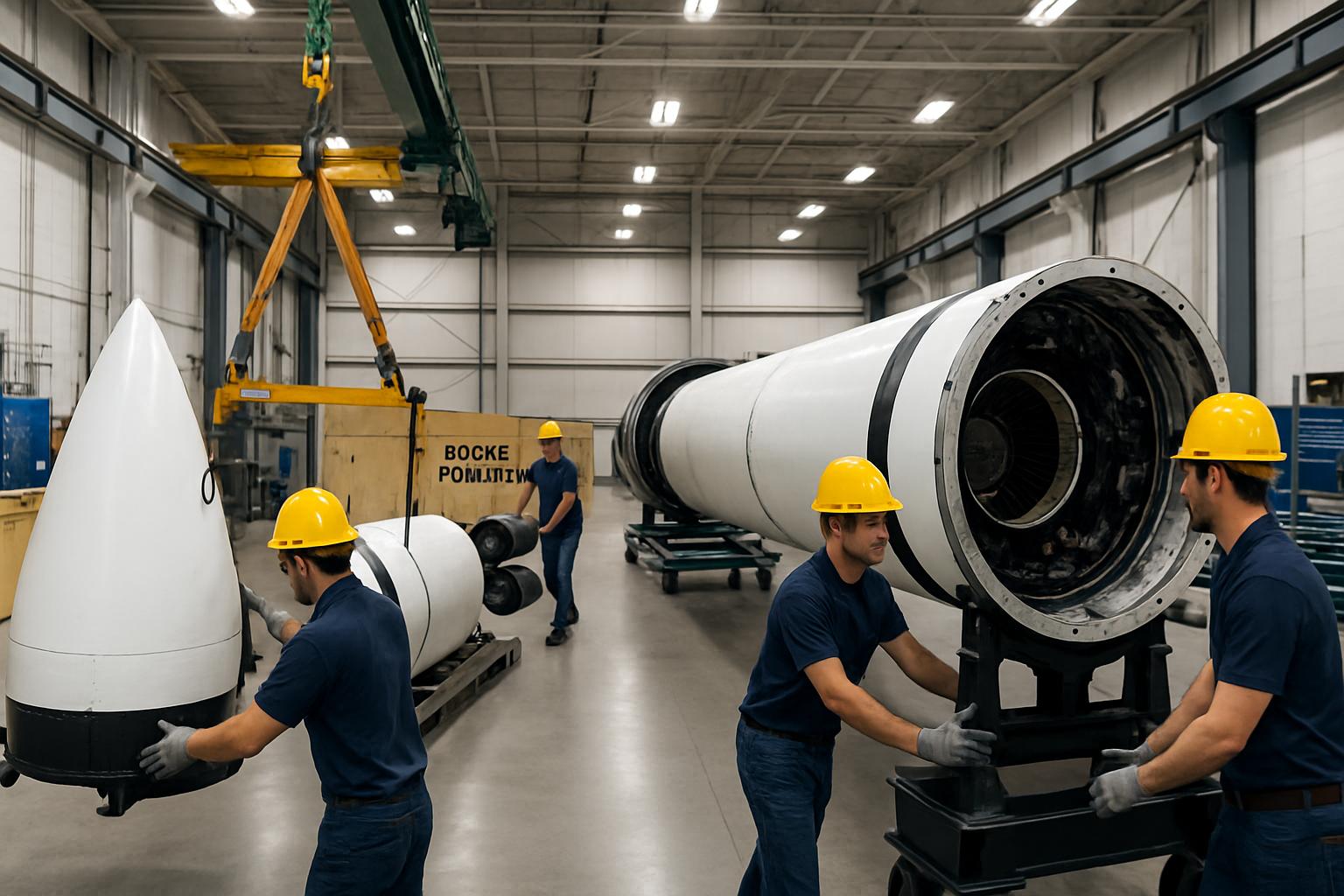
Blackwell-Thompson later explained that the leak surfaced quickly once the interface pressurized. Moreover, initial inspection suggests misalignment, deformation, or debris on the critical quick-disconnect seal. Therefore, teams will analyze high-speed telemetry before deciding on field repairs or a rollback. This pause illustrates how rigorous testing protects both hardware and crew. Consequently, the February Moon opportunity closed, with March 6–11 emerging as earliest windows.
These facts confirm the necessity of exhaustive rehearsals. Nevertheless, wider program effects now demand attention. Next, we examine leak challenges.
Hydrogen Interface Leak Challenges
Liquid hydrogen molecules are minuscule and cold, complicating seal performance. Therefore, even microscopic gaps allow flammable gas to accumulate within the umbilical cavity. Moreover, continuous thermal cycling during rollout stresses hardware manufactured for extreme tolerances. NASA engineers fought similar Hydrogen leak events during Artemis I, applying procedural fixes like slower tanking rates. In contrast, the current anomaly appears tied to physical alignment rather than flow speed.
Ground crews will inspect seal faces, check torque settings, and perform borescope imaging. Subsequently, helium pressure tests may confirm whether repairs succeeded before another fuel load. Additionally, real-time acoustic sensors could enhance early leak detection during future campaigns.
- Refine quick-disconnect alignment tools.
- Qualify cryogenic seal materials under repeated cycles.
- Embed fiber-optic leak monitors for fast alerts.
These steps target root causes efficiently. Consequently, program managers can protect the March launch schedule. We now assess operational impacts industrywide.
Operational Impact And Analysis
Every Artemis slip ripples across downstream missions and supplier cashflows. Furthermore, contractors must maintain skilled labor at the pad during extended troubleshooting periods. Overtime costs escalate while specialized equipment remains leased on-site. Consequently, Aerospace Logistics planners adjust inventory buffers for replacement seals, hoses, and cryogenic sensors. Insurance underwriters also reprice risk exposure associated with high-value hardware sitting fueled longer.
Additionally, astronaut quarantine cycles must restart, affecting family schedules and public outreach plans. Meanwhile, media campaigns timed for a February Moon voyage will shift, reducing promotional efficiency. Nevertheless, the delay offers suppliers an unexpected window to validate spare part inventories. Therefore, savvy teams should coordinate cross-program pooling of critical cryogenic components. These operational shifts carry budgetary and schedule implications.
Next, we review stakeholder perspectives.
Stakeholder Perspectives Summarized Today
NASA leadership framed the abort as expected learning. Administrator Jared Isaacman stated that rehearsals exist to reveal challenges before a crew launch. In contrast, external analysts questioned recurring Hydrogen leak issues after years of design iteration. Moreover, some critics cited political pressure to maintain annual Moon milestones.
Contractors including Boeing and Northrop Grumman emphasized their commitment to quick corrective action. Furthermore, Exploration Ground Systems primes signaled readiness to support pad repairs without a costly rollback. Astronauts remained upbeat, noting that safety drives every decision. Consequently, public confidence appears stable despite the slip.
These viewpoints reveal balanced acknowledgment of risk. Subsequently, attention turns to mitigation pathways.
Risk Mitigation Pathways Ahead
Engineers must decide whether to execute pad-level gasket replacement or roll the rocket indoors. Pad work saves weeks but limits tool availability. Therefore, managers will weigh schedule pressure against environmental protection during delicate seal installation. Moreover, data review teams are building a detailed fault tree to isolate contributing factors. Subsequently, the launch director could authorize a targeted cryogenic leak test to confirm fixes.
Pad Versus Rollback Decision
Parallel logistics work focuses on spare seals, flexible hoses, and purge line filters. Consequently, procurement teams within Aerospace Logistics adjust supplier reservation dates to maintain availability. Additionally, professionals can enhance skills through the AI+ Supply Chain™ certification. The course explores predictive analytics that streamline Aerospace Logistics for spaceflight hardware. These mitigation tasks aim to reopen the March launch window confidently. Finally, we survey future milestones.
Future Timeline And Outlook
NASA currently targets March 6–11 for the next Artemis II attempt. However, that schedule depends on quick root-cause confirmation and validation testing. If rollback becomes necessary, officials warned the launch could slide into April or beyond. Furthermore, downstream Artemis III hardware preparations intertwine with the Artemis II pad occupancy. Consequently, each delay compresses cushion time reserved for the first crewed landing.
Industry observers predict that decisive action within two weeks remains feasible. Moreover, improved sensor suites may reduce future hydrogen uncertainties. Therefore, Aerospace Logistics teams should prepare flexible transport plans for replacement hardware. Meanwhile, investor sentiment favors transparent communication over optimistic yet unverifiable timelines. These signals urge proactive readiness across supplier networks.
Subsequently, program officials will hold another briefing once data reviews conclude. Until then, stakeholders must balance patience with preparedness. Next, we conclude with strategic recommendations.
Hydrogen has again reminded teams that spaceflight tolerates no shortcuts. However, the wet dress rehearsal performed its protective role by stopping the countdown safely. Consequently, Artemis managers can fix the root issue before committing crew. Aerospace Logistics leaders should now synchronize inventory forecasts, transport contracts, and labor rosters. Furthermore, adopting predictive analytics from the earlier mentioned certification will sharpen decision speed.
Meanwhile, NASA engineering teams rush to validate seal geometry and plan targeted cryogenic tests. In contrast, marketing teams prepare refreshed mission narratives for March. Therefore, the coming weeks will judge whether agile Aerospace Logistics can match engineering urgency. Stay informed, refine your processes, and explore advanced credentials to lead future space supply chains. Visit the certification portal today and elevate your Aerospace Logistics expertise for the next liftoff era. Ultimately, scalable Aerospace Logistics will underpin every sustainable deep-space milestone ahead.


