

AI CERTs
2 hours ago
Humanoid Robot Summit Debuts Figure 03 at White House
Visitors to Washington expected policy talk on March 25, 2026. Instead, they met a walking surprise. During the Humanoid Robot Summit, First Lady Melania Trump escorted Figure 03 across the East Room floor. The scene blended historic formality with bleeding-edge technology. Consequently, investors, engineers, and educators tuned in worldwide. Observers debated whether this showcase signaled a tipping point for home Automation. Meanwhile, the White House framed the moment as support for children’s education and domestic help. Analysts now ask how fast humanoids will leave laboratories and enter living rooms.
This report examines the debut, technical foundations, manufacturing scale, market forecasts, and policy concerns. Furthermore, it weighs expert optimism against veteran skepticism. Throughout, the phrase Humanoid Robot Summit anchors discussion of Figure 03’s political and commercial theater.
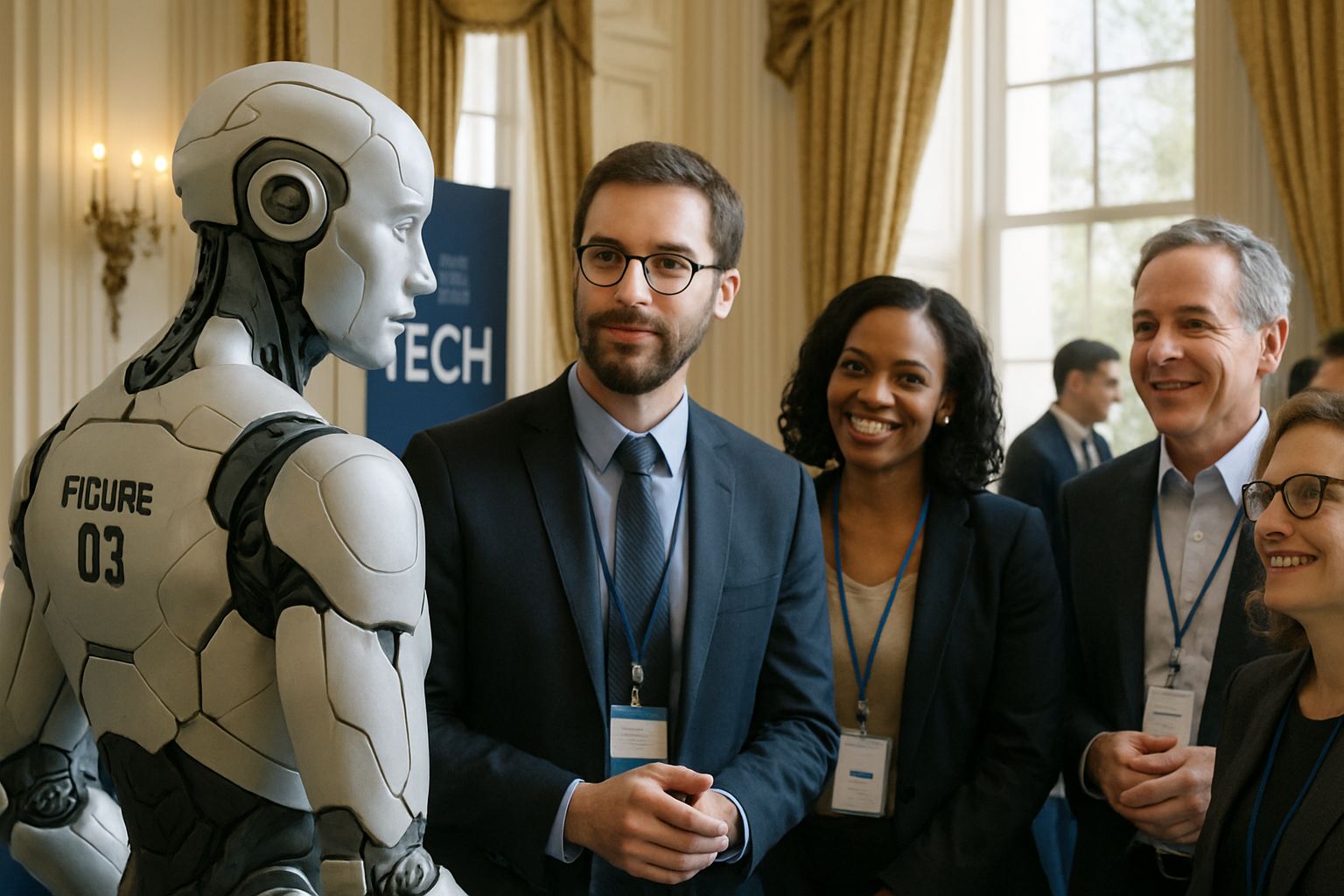
Figure 03 Enters History
Melania Trump opened the summit beside the 5'8", 61-kilogram robot. Figure 03 greeted attendees in English, Spanish, and Mandarin. Moreover, it offered polite bows before standing motionless for press photos. “It’s fair to state, you are my first American-made humanoid guest in the White House,” she said. Consequently, pundits dubbed the occasion a symbolic handshake between policy and Robotics.
Media outlets quickly amplified the spectacle. TechRadar called the scene “surreal yet inevitable.” In contrast, trade journals focused on underlying engineering leaps. The Humanoid Robot Summit thus moved the discourse beyond demos toward mainstream legitimacy.
Key Takeaway: The summit placed humanoids inside America’s most secure building. However, ceremonial optics masked complex unanswered questions. This framing leads directly into the machine’s design choices.
Technology Behind Figure 03
Figure 03 relies on a vision-language-action stack named Helix. Therefore, cameras, depth sensors, and tactile fingertips feed neural networks that map goals to movements. Runtime reaches five hours thanks to a swappable lithium pack. Additionally, an inductive 2 kW foot charger tops the cells without cables.
The robot carries 20 kilograms and hits 1.2 meters per second. Moreover, 10 Gbps mmWave offload extracts household data for cloud retraining. Independent researchers admire the compact actuation design yet worry about safety interlocks. Veteran roboticist Rodney Brooks warns that purely learned control can misjudge fragile objects.
The Humanoid Robot Summit highlighted these capabilities with a simple language demo. Nevertheless, Figure staff admitted the unit ran a supervised autonomy mode. Two remote engineers monitored fall detection and joint temperatures.
Summary: Figure 03 blends advanced perception with cautious guardrails. Consequently, production ambitions require equally sophisticated factories.
Scaling Figure Production Ambitions
Series C investors committed over $1 billion in 2025. Figure now claims a $39 billion post-money valuation. Furthermore, its BotQ facility targets 12,000 humanoids yearly during phase one. Automated welding lines and in-house gearbox machining aim to cut costs by half within five years.
BMW’s Spartanburg pilot offered early evidence. Figure 02 allegedly assisted production of 30,000 X3 vehicles. Meanwhile, executives insist Figure 03 will focus on home chores such as dishwashing and laundry. That pivot impressed policy makers attending the Humanoid Robot Summit.
- BotQ phase-one capacity: 12,000 units/year
- Figure 03 weight: 61 kg; payload: 20 kg
- Helix neural stack: vision-language-action model
Section Wrap-up: Capital inflows and factory plans suggest confidence. However, market demand and certification hurdles remain unresolved. Those unknowns shape competitive dynamics next.
Market Forecasts And Competition
ResearchAndMarkets projects multibillion-dollar humanoid revenues by 2035. Yet ranges differ widely across studies. Moreover, firms like Boston Dynamics, Tesla, Agility, and Apptronik chase similar goals. Tesla touts Optimus for assembly line Automation, while Agility seeks warehouse picking contracts. Consequently, benchmark wars intensify with each viral video.
Figure’s focus on domestic work distinguishes its roadmap. Analysts at Bernstein note that replacing dishwashers earns quicker consumer trust than replacing welders. Nevertheless, household buyers stay price sensitive. The Humanoid Robot Summit therefore doubled as early marketing.
Takeaway: Competitive claims raise visibility yet inflate expectations. In contrast, safety regulation could slow shipments. Let us examine those hurdles.
Safety, Privacy, Regulation Balances
Physical mistakes by humanoids can break dishes or bones. Therefore, industry veterans demand rigorous certification. Currently, no federal body certifies general-purpose robots. Consequently, insurers watch pilots closely.
Privacy risks also escalate. Helix improves through real-world data that may capture faces and addresses. However, Figure promises on-device blurring and encrypted transfer. Skeptics cite limited third-party audits. Meanwhile, the White House has not detailed which agencies vetted the demonstration.
During the Humanoid Robot Summit, reporters asked about Consumer Product Safety Commission involvement. Officials declined specifics. Experts predict new ISO standards within two years, yet implementation could lag innovation.
Summary: Governance gaps threaten public trust. Nevertheless, workforce implications drive even deeper debate.
Implications For Future Labor
Supporters argue humanoids fill dangerous or undesirable jobs. Moreover, an aging population intensifies caregiver shortages. Consequently, robots could extend independent living for seniors. Studies show potential savings on workplace injuries as repetitive tasks shift to machines.
Critics counter that displacement effects remain under-studied. In contrast, labor unions seek bargaining power over robotic deployments. The term “cobra effect” appears in analyst notes; partial automation can fragment task ownership and depress wages. Figure CEO Brett Adcock insists deployment will complement, not replace, workers.
The Humanoid Robot Summit placed these tensions on stage. Attendees from teachers’ groups asked whether classroom assistants would erode teacher roles. Melania Trump argued personalized tutoring augments learning rather than reduces staff.
Wrap-up: Labor dynamics will hinge on training access, wage policy, and productivity sharing. Therefore, professional upskilling gains urgency.
Professional Skill Development Opportunities
Executives overseeing Automation projects need cross-disciplinary fluency. Professionals can enhance their expertise with the AI Executive Essentials™ certification. Moreover, curricula address governance, ethics, and ROI measurement. Consequently, graduates bridge gaps between Robotics engineers and HR strategists.
The Humanoid Robot Summit underscored a talent divide. Policy panels revealed many decision-makers misunderstand torque limits or dataset biases. Additionally, few managers track emerging ISO safety drafts. Structured training fills these gaps while signaling commitment to responsible deployment.
Key Point: Certifications empower leaders to navigate Labor transitions with evidence-based policies. Subsequently, organizations avoid reactionary bans or unchecked rollouts.
Next Steps For Stakeholders
1. Audit potential use cases against safety and privacy principles.
2. Engage regulators early and request provisional guidance.
3. Fund pilot programs measuring productivity and morale impacts.
These actions translate summit excitement into balanced implementation. However, outcomes depend on transparent metrics.
Section Summary: Continuous learning sharpens competitive edge. Therefore, we conclude with overarching reflections.
Conclusion And Outlook
Figure 03’s stroll through the East Room symbolized a frontier moment. Yet technical maturity, regulatory clarity, and social acceptance remain intertwined hurdles. Nevertheless, billions in capital and rapid factory builds suggest momentum will persist. The Humanoid Robot Summit propelled humanoids from niche demos to national conversation.
Furthermore, safety frameworks, data ethics, and Labor agreements demand coordinated action. Professionals should monitor standards, pursue credible certifications, and pilot responsibly. Explore the linked AI Executive Essentials™ program to lead the humanoid era with confidence.


