

AI CERTS
1 hour ago
Huawei’s Growth Amid Global Sanctions Impact
Moreover, we examine how record R&D, local chip initiatives, and domestic smartphone wins interplay with external constraints. Industry analysts from IDC, TrendForce, and Light Reading provide critical context for each data point. In contrast, executive commentary projects confidence, citing resilient cloud deals and infrastructure networks upgrades.
We also highlight certification pathways that help professionals navigate similar transformation challenges. Subsequently, readers can assess practical skills via the linked AI Product Manager credential. Finally, the narrative offers an evidence-based outlook informed by ongoing Global Sanctions Impact realities.
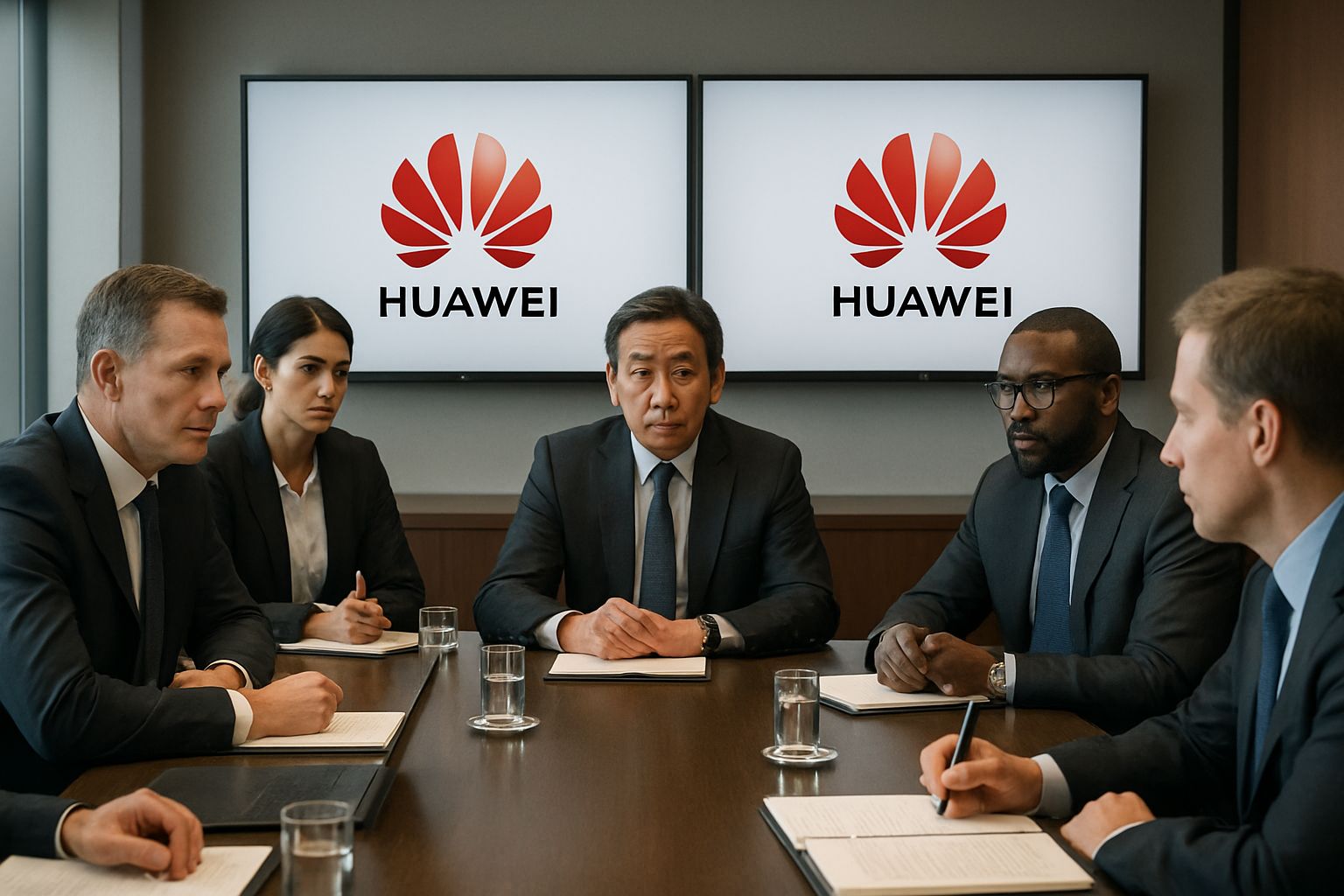
R&D Spending Trade-Off Strategy
Record R&D intensity defined Huawei’s 2025 balance sheet. Furthermore, spending reached CNY 97 billion in the first half alone, equalling 23 percent of revenue. TrendForce noted that few hardware peers allocate comparable shares outside pure software firms. Therefore, management openly accepted margin compression as the price for supply-chain autonomy.
- H1 2025 revenue: CNY 427 billion, up 4 percent year-on-year.
- H1 2025 net profit: CNY 37.2 billion, down 32 percent.
- R&D intensity: 22.7 percent of H1 revenue, the highest on record.
Nevertheless, executives argued the Global Sanctions Impact demanded aggressive innovation to secure future earnings. These investments target Ascend AI accelerators, Kirin mobile chips, and Kunpeng server CPUs. Consequently, the company expects differentiated silicon to underpin cloud computing expansion in 2026. Such goals set the stage for domestic ecosystem growth discussed next.
Domestic Smartphone Market Dynamics
Huawei reclaimed the top handset position in China with 46.7 million shipments during 2025. However, overall market volumes stagnated, illustrating a broader smartphone decline despite Huawei’s share gain. IDC analyst Will Wong credited in-house Kirin 9030 chips for easing supply constraints. In contrast, Arthur Guo warned sustained consumer weakness could cap volumes through 2026.
Subsidy programme delays and muted confidence suppressed early-year upgrades. Consequently, first-half consumer revenue grew modestly even as average selling prices improved. Meanwhile, HarmonyOS ecosystem additions aimed to lock users amid overseas app limitations from Global Sanctions Impact.
Domestic momentum offset international smartphone decline, yet margin recovery remains tentative. The next section explores enterprise opportunities beyond handsets.
Infrastructure And Cloud Progress
Carrier and enterprise customers continued upgrading infrastructure networks despite capital discipline. Moreover, Huawei secured provincial government contracts for private 5G and optical backbone deployments. Those wins helped diversify revenue away from volatile devices. TrendForce linked stable infrastructure networks demand to digital transformation programmes across China.
Cloud computing grew mid-teens, powered by Ascend accelerator clusters and GaussDB databases. Furthermore, local banks adopted the stack to mitigate cross-border compliance risk linked to Global Sanctions Impact. IDC projects double-digit cloud computing growth for Huawei through 2027 if chip supply stabilises. Such forecasts highlight recurring revenue potential absent in hardware cycles.
Enterprise contracts strengthen cash flow, yet higher costs still squeeze profitability. Financial implications appear in the following section focused on margins. Robust service contracts may also buffer volatility in hardware supply cycles.
Profitability Under Pressure Points
First-half 2025 net profit dropped to CNY 37.2 billion, a 32 percent year-on-year slide. Additionally, finance expenses increased due to renminbi volatility and growing inventory commitments. Light Reading observed similar patterns at ZTE, signalling industry-wide cost inflation. Nevertheless, Huawei’s revenue still inched 4 percent higher during the half.
Analysts caution that prolonged smartphone decline and muted global carrier capex could prolong tight margins. However, management believes future efficiency gains will materialise once new fabs reach scale in China. Therefore, margin inflection will likely lag revenue recovery by several quarters. Continued Global Sanctions Impact uncertainty complicates external cost forecasting.
Short-term pain remains evident, yet strategic bets could yield competitive moats. We now assess broader geopolitical variables shaping those bets.
Global Sanctions Impact Outlook
Export controls restrict Huawei’s access to advanced lithography and certain enterprise software licences. Consequently, the firm leans heavily on domestic foundries like SMIC for 7-nanometre production. In contrast, foreign carriers hesitate to deploy core infrastructure networks equipment amid regulatory pressure. Moreover, component work-arounds often raise bill of materials costs, reinforcing earlier margin challenges.
Yet, the company’s localisation push resonates with government digital sovereignty agendas in China. Subsequently, procurement policies favour vendors demonstrating compliance resilience against Global Sanctions Impact. Middle East and Latin American operators also perceive reduced political risk when choosing Huawei over US firms. Therefore, selective international growth remains plausible despite lingering Western barriers.
The sanctions environment will dictate strategic pacing, yet talent readiness also matters. Our final section explores workforce upskilling avenues.
Talent Certification Upskilling Path
Rapid technological shifts demand managers who translate R&D priorities into viable products. Consequently, professionals pursue structured learning to bridge engineering, design, and business. Professionals can enhance their expertise with the AI Product Manager™ certification. Moreover, curricula emphasise cloud computing strategy, data ethics, and cross-border compliance.
Graduates apply frameworks that anticipate Global Sanctions Impact during roadmap planning. Therefore, organisations gain leaders equipped to align infrastructure networks choices with geopolitical trends. These skills reinforce corporate resilience, supporting Huawei-style pivots across multiple sectors.
Skill development strengthens strategy execution, yet ongoing monitoring remains essential. The conclusion summarises overarching implications for investors and operators.
Huawei’s 2025 narrative mixes near-record revenue with sharply eroded margins. Heavy R&D, domestic chip drives, and expanding cloud computing portfolios underpin that paradox. Furthermore, leadership accepted short-term pain to confront the relentless Global Sanctions Impact. Carrier contracts and infrastructure networks upgrades provide stable cash, yet smartphone decline persists. Consequently, profit recovery depends on scale efficiencies and easing supply bottlenecks.
Regulators worldwide will continue shaping demand, especially across China and emerging regions. Meanwhile, companies that cultivate sanction-savvy product managers gain competitive insulation. Explore the featured certification to future-proof your career and decode Huawei-style strategic trade-offs. Consequently, vigilant monitoring of sanction amendments will separate winners from followers.


