

AI CERTS
2 hours ago
How Home Assistant AI Butler Transforms Household Management
Moreover, players like ChatGPT now run tasks automatically, acting as a digital butler for every household. This article unpacks the timeline, capabilities, benefits, and risks behind the emerging organizer trend. Consequently, readers will gain concrete guidance on deploying a secure, effective AI aide at home.
Digital Butler Evolution Path
The shift from reactive chatbots to proactive agents accelerated during 2025. In January, OpenAI launched Tasks, letting ChatGPT schedule reminders, stock checks, or daily briefings. Meanwhile, Google introduced Gemini Scheduled Actions, mirroring the idea across Workspace and Google Home. Subsequently, OpenAI opened an Apps directory, enabling third-party services to place grocery orders inside chat.
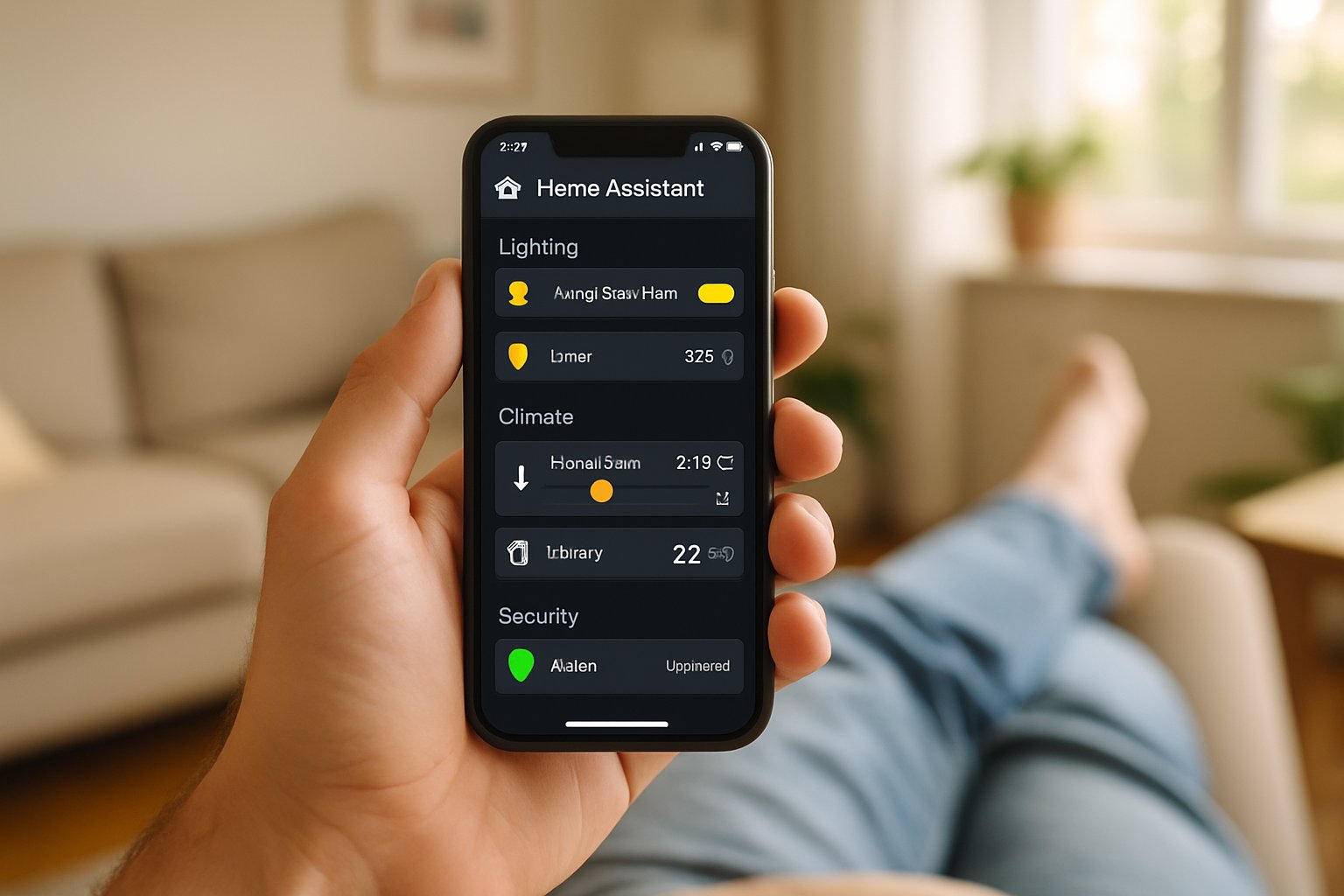
These milestones transform a simple assistant into a full digital butler capable of autonomous execution. Importantly, each vendor now logs scheduled events, retains prompts, and triggers actions without constant human involvement. Consequently, the feature set matches core household workflows like meal planning and chore nudges. Developers bridged ChatGPT webhooks into Home Assistant automations within weeks.
The last year established the technical foundation for proactive home agents. Therefore, stakeholders must examine the specific capabilities driving this transformation.
Core Features Explained Clearly
Four capabilities define today’s leading home AI stacks. Firstly, Scheduled Tasks trigger prompts at chosen times, turning passive chats into reliable alarms. Secondly, Connectors grant data access to calendars, shopping lists, and smart devices. Thirdly, Apps inside ChatGPT execute purchases or service bookings without leaving the conversation. Finally, Custom GPTs personalize tone, dietary rules, or household chores for each organizer scenario.
Moreover, voice input now partners with visual outputs, delivering meal photos or shopping buttons alongside text guidance. In contrast, legacy voice speakers required rigid command structures and manual list management. Consequently, adoption expands beyond tech enthusiasts into mainstream families. Home Assistant users can already trigger GPT routines locally with the Assist pipeline.
These intertwined features convert abstract language models into actionable home infrastructure. Next, market dynamics reveal which vendor can capture that infrastructure.
Competitive Landscape Overview Today
Market share hinges on ecosystem reach and device penetration. OpenAI boasts 800 million weekly ChatGPT users, giving Tasks an immediate stage. However, Google controls Gmail, Calendar, Drive, and millions of Nest displays. Amazon still dominates smart-speaker shipments through Alexa, while Apple leans on privacy branding within Siri. Meanwhile, the open community behind Home Assistant offers vendor-agnostic alternatives.
Statista counts 149.8 million U.S. voice-assistant users, underlining the addressable audience. The Business Research Company pegs 2025 virtual assistant revenue at 8.11 billion dollars. Moreover, analysts expect AI home automation spending to exceed 20 billion dollars by 2029. Startups like Ohai position their AI organizer apps between platforms.
- OpenAI — rapid Tasks rollouts, growing App ecosystem
- Google — deep Workspace hooks, Scheduled Actions inside Gemini
- Amazon — commerce integration, Echo device dominance
- Apple — system privacy focus, on-device inference roadmap
- Microsoft — Windows Copilot bridging work and home PCs
- Home Assistant — local privacy-first platform
Vendor strengths indicate fragmentation rather than a single winner. Nevertheless, integrated experiences will determine user loyalty moving forward.
Benefits And Practical Cases
Time savings headline the benefit list. Meal planning flows illustrate the gains. For example, a user photographs the pantry, requests seven vegetarian dinners, and receives a consolidated shopping cart.
Additionally, family calendars sync to surface conflicts, propose schedule fixes, and deploy reminder nudges. Subsequently, the system delivers a morning briefing including weather, traffic, and outstanding chores. Moreover, chore completion logs can feed allowance trackers or parental dashboards. Home Assistant dashboards surface the resulting lists on kitchen tablets. The organizer role extends to medicine refill alerts and holiday planning.
- Reduced cognitive load on caregivers
- Personalized dietary compliance tracking
- Seamless commerce through embedded apps
- Accessibility for elderly and disabled users
These examples demonstrate concrete returns on modest setup effort. However, every upside arrives with parallel concerns.
Risks And Open Questions
Accuracy remains the foremost worry for autonomous purchases or schedule changes. Hallucinated ingredients could ruin diets or allergy plans. Therefore, vendors advise human confirmation before payment or health decisions.
Privacy questions intensify as assistants store chat logs and scheduled actions in cloud servers. In contrast, local deployments on the open-source Home Assistant platform reduce exposure. Nevertheless, even local models require secure network configurations and audited app permissions.
Security professionals can deepen expertise through the AI Network Security™ certification. Consequently, teams gain skills to review agent actions, logs, and prompt chains.
Risk mitigation hinges on transparency, permissions, and continuous auditing. Next, practical rollout guidance can anchor those safeguards.
Implementation Tips And Next Steps
Start with a narrow, low-impact routine such as a morning briefing. Configure the Tasks manager or Gemini dashboard, verifying time zones and notification channels first. After success, expand into meal planning or recurring chore reminders.
Moreover, enable multi-factor authentication for any service that stores payment credentials. Review connector permissions weekly and revoke dormant integrations. Subsequently, document prompts and scheduled tasks in a shared family wiki for transparency. Home Assistant logbook helps audit every device action.
Power users may pair cloud agents with a local Home Assistant instance for sensor control. Therefore, critical automations remain operational during internet outages. Finally, monitor vendor roadmaps; new Apps and security updates arrive monthly.
Disciplined rollout keeps convenience high while risk stays manageable. Consequently, families can enjoy their AI butler without unwanted surprises.
The era of a conversational, proactive digital butler has moved from concept to beta reality. OpenAI, Google, and rivals now supply the scheduling, data access, and commerce hooks once missing. However, accuracy gaps and privacy liabilities demand equal attention. Through deliberate configuration, periodic audits, and skills like the AI Network Security™ curriculum, households can mitigate those threats. Therefore, the path toward a dependable Home Assistant ecosystem remains achievable today. Adopt wisely, monitor closely, and explore certifications that elevate both safety and productivity.


