

AI CERTS
3 hours ago
Houston Luxury Surveillance Field Deployment Breaks New Ground
Moreover, early metrics hint at steep deterrence gains and 40% savings. Industry observers will scrutinize the rollout closely. However, privacy advocates already signal caution. Professionals seeking similar projects can validate foundational knowledge through the AI for Everyone certification. This introduction frames the factors driving adoption and the questions still unresolved.
Houston Luxury Project Overview
The contract announced on 12 February 2026 covers a 400-unit luxury complex in Houston. Furthermore, Cloudastructure will network hundreds of existing cameras with cloud analytics. Remote operators will deliver live talk-downs and dispatch coordination. In contrast, the previous solution relied on two overnight guards costing six figures annually. Cloudastructure claims its system offers a 98% deterrence rate. Additionally, first-year cost reductions could reach 40% compared with physical posts. Yet the operator remains unnamed, limiting public verification. This initiative counts as the second Surveillance Field Deployment for the partner portfolio in Texas.
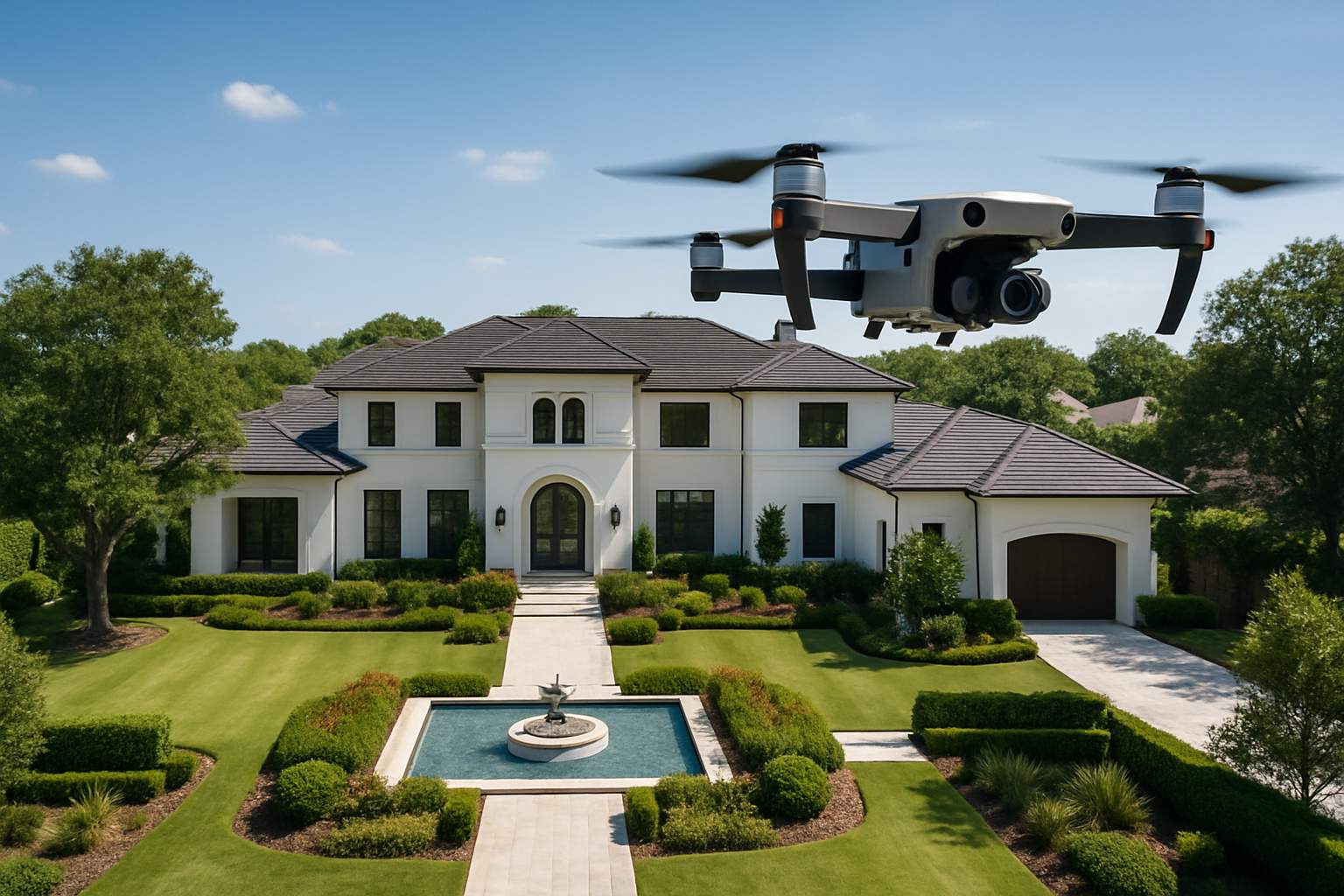
Key takeaways emerge quickly. First, Houston remains fertile ground for security innovation. Second, luxury assets present high margins for vendors. However, deeper market forces shape demand, as the next section details.
Market Drivers And Size
Multiple studies project remote video monitoring revenue to exceed $6 billion by 2030. Moreover, urban crime anxiety and staffing shortages push owners toward automation. Verified Market Reports cites compound growth above 10% annually. Meanwhile, Cloudastructure’s preliminary 2025 revenue jumped 270% year-over-year. Consequently, investors view scalable platforms favorably. The Houston deal illustrates these dynamics in microcosm. Profit potential rests on subscription margins, not hardware alone.
Key Performance Metrics Claimed
Cloudastructure processed 11.2 million alerts in 2025 with 96% detection accuracy, according to filings. Additionally, verbal interventions exceeded 112,000, while emergency dispatch stayed below 1%. Nevertheless, analysts stress that these figures lack third-party audits. This Houston Surveillance Field Deployment offers a chance to validate claims under spotlight conditions.
The statistics underscore accelerating demand. However, technology architecture explains how such scale stays manageable, which the next section dissects.
Technology Behind Remote Guarding
At the core sits cloud video ingest paired with object recognition models for faces, plates, vehicles, and weapons. Therefore, operators receive prioritized alerts within seconds. Furthermore, audio speakers enable immediate deterrent messages. The platform remains hardware-agnostic, easing upgrades across diverse buildings. Customers may also opt for month-to-month contracts, lowering commitment barriers. Importantly, each alert and response enriches training data, boosting future accuracy.
Drone Trailer Integration Details
January 2026 brought a Flex Security partnership integrating autonomous drones with mobile trailers. Subsequently, remote staff can launch aerial views when ground cameras leave blind spots. Analysts view the capability as a force multiplier without human patrol risk. Nevertheless, drone video intensifies oversight questions discussed later.
Technical agility empowers cost savings and deterrence. Still, resident trust hinges on transparent safeguards, directing focus to privacy concerns next.
Privacy Risks And Oversight
EFF and ACLU caution that license-plate and facial recognition can enable mass tracking. Moreover, Houston lacks explicit ordinances limiting private biometric databases. Consequently, retention periods, data sharing, and police access deserve scrutiny. Cloudastructure states data stay encrypted and audits track every query. Nevertheless, the unnamed operator has yet to release its own policy. Residents received installation notices, but opt-out mechanisms remain unclear. Every Surveillance Field Deployment must balance security value with civil liberties.
Houston Regulatory Landscape Overview
Current Texas law imposes minimal controls on private camera networks. However, several city council members support broader privacy bills. Meanwhile, California precedents show potential litigation over unregulated ALPR archives. Therefore, property managers should anticipate tightening rules within three years.
Transparency and robust governance mitigate backlash. Yet operational hurdles also challenge rollouts, as the following section shows.
Implementation Challenges Ahead
Scaling cloud workloads drives hosting and bandwidth costs upward, Cloudastructure’s SEC filings reveal. Additionally, hardware inflation raised installation expenses during 2025. False positives can erode resident goodwill, prompting excessive talk-downs. Consequently, tuning models for unique site layouts becomes essential. Integration with legacy access control sometimes stalls due to proprietary protocols. Moreover, frontline staff must adapt to remote escalation workflows, demanding retraining.
- Rising cloud service fees threaten margins.
- Model calibration required for each camera angle.
- Legacy systems may block API connections.
- Resident perception influences renewal rates.
These hurdles highlight operational complexity. However, strategic planning converts obstacles into competitive advantages, as the final insights outline.
Strategic Takeaways For Operators
First, pilot deployments should include baseline crime audits to measure impact credibly. Secondly, privacy policies must precede installation and offer clear retention limits. Moreover, independent validators can strengthen marketing claims. Houston’s luxury case demonstrates that cost savings and deterrence can align when architecture stays flexible. Consequently, owners across sectors should evaluate similar models before guard contracts renew. Completing foundational training such as the AI for Everyone certification prepares teams to assess vendors rigorously. This final Surveillance Field Deployment insight rounds out the discussion.
Clear metrics, accountable governance, and adaptable technology define success. Therefore, proactive planning sets the stage for scalable gains.
Conclusion
Cloudastructure’s Houston initiative signals a maturing market moment. Moreover, multifamily investors now weigh AI efficacy against traditional guard costs. Privacy debates will intensify; however, transparent controls can sustain community trust. Consequently, leaders should benchmark performance, publish policies, and nurture resident dialogue. Professionals eager to master emerging security frameworks can advance careers through the linked certifications. Act now to position your portfolio for the next breakthrough Surveillance Field Deployment.


