

AI CERTS
2 hours ago
Homary UK Store Debuts Flagship Showroom in London Chiswick
Consequently, showrooms remain strategic despite rising logistics costs. Homary already runs a Birmingham studio, yet analysts see London visibility as essential for brand scale. Furthermore, CEO Susi Wang frames physical sites as experiential theaters that drive online conversion. This article unpacks launch specifics, market context, strategic rationale, and sector implications for furniture retail. Readers will also discover certification pathways and actionable insights for future Business decisions.
Flagship Launch Key Details
Chiswick’s new space spans roughly 10,000 square feet of curated Furniture, according to planning filings. Therefore, visitors can expect staged living, dining, and bathroom zones rather than dense racks of inventory. Staff guide shoppers to place orders digitally, echoing the showroom model used at the Homary UK Store in Birmingham. Nevertheless, limited grab-and-go accessories sit near the entrance to encourage impulse buys.
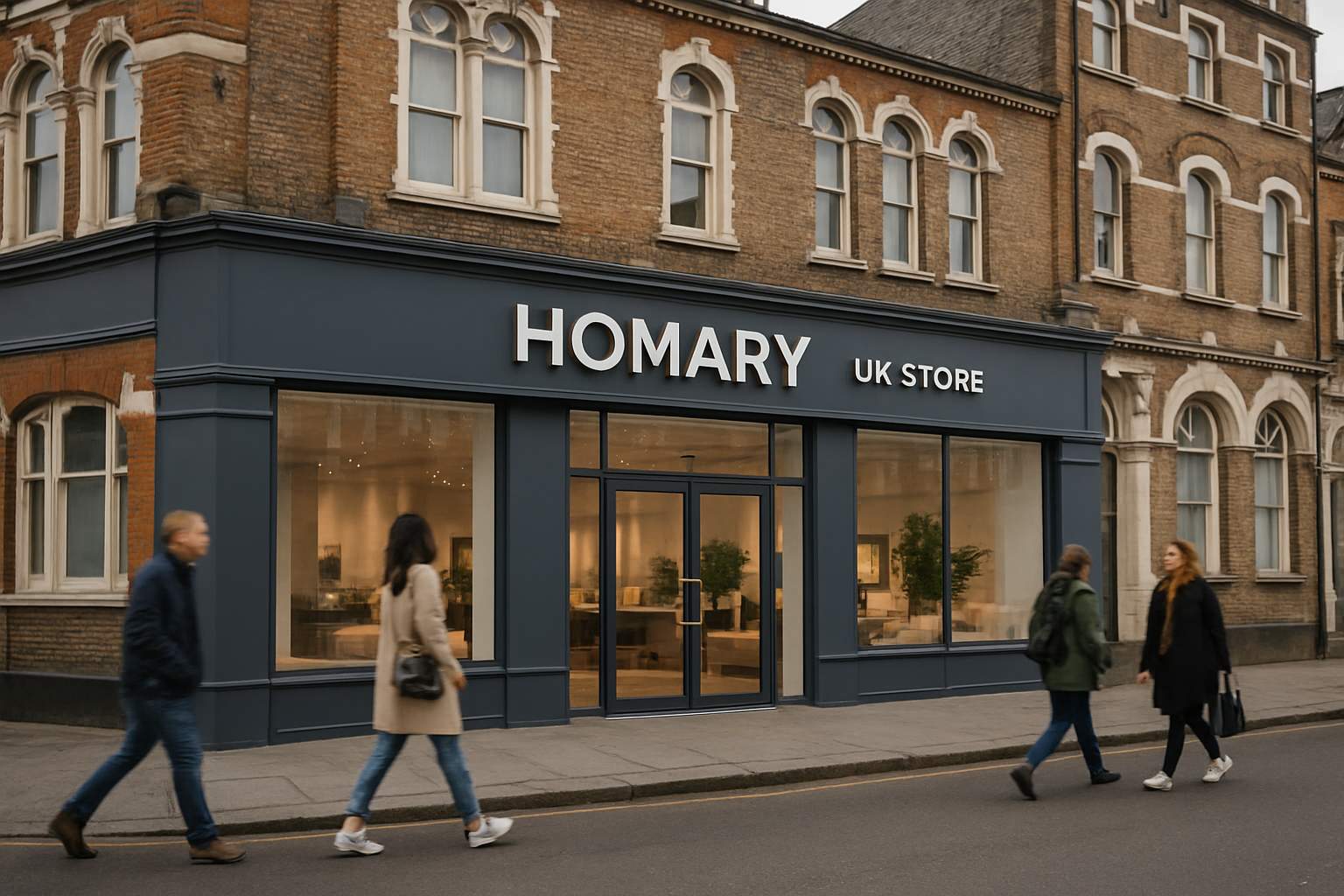
Soft opening activity started 10 January and allowed the team to fine-tune lighting, signage, and staff workflows. Moreover, The Independent lists 14 March as the public grand opening, aligning with in-store promotional banners. The Homary UK Store will host design workshops and influencer walk-throughs during its first week. Consequently, Homary hopes social media buzz will spread beyond West London and boost nationwide traffic.
In short, the flagship blends digital ordering with tactile displays. However, deeper market forces explain why the concept matters.
UK Market Context Snapshot
Latest Mordor Intelligence numbers value the UK homeware and Furniture sector at about USD 22.08 billion. Meanwhile, furniture and homeware e-commerce alone captures nearly USD 7.9 billion, eCommerceDB reports. However, digital growth has slowed, pushing online brands toward physical expansion. Global e-commerce still tops USD 6.3 trillion, yet conversion for expensive sofas lags. Such numbers attract Business attention from investors and landlords. The Homary UK Store enters this landscape with timing that appears calculated.
- Market size: USD 22.08 bn homeware total (Mordor).
- Online share: USD 7.9 bn furniture e-commerce (eCommerceDB).
- Projected CAGR: mid-single digits through 2030.
Consequently, brands view showrooms as levers to raise basket sizes and lower costly returns. Retail analysts label the approach phygital, blending online convenience with in-store reassurance.
These figures reveal ample room for differentiated experiences. Next, we examine why Homary embraces the showroom formula.
Showroom Strategy And Rationale
Homary’s leadership argues that physical touchpoints shorten the decision cycle for high-ticket Furniture. Moreover, CEO Susi Wang calls the flagship “a space to bring our design philosophy to life.” Industry research supports her claim; showrooms often increase local online sales by double-digit percentages. In contrast, returns fall because customers confirm colors and dimensions on site.
Interestingly, staff plan to use quick MBTI-style quizzes to suggest décor themes aligned with personality traits. Therefore, shoppers receive curated mood boards matching Introvert harmony or ENFP vibrancy. Professionals can enhance their expertise with the AI Ethical Hacker™ certification, securing data collected from such quizzes. The Homary UK Store expects these insights to personalise journeys while respecting privacy.
The strategy blends psychology and technology to elevate engagement. Subsequently, competition in the retail arena intensifies.
In-Store Experience Design Elements
Visitors encounter augmented reality mirrors that project sofas into scaled room layouts. Additionally, QR codes link each display to real-time stock and customer reviews. Background sensors collect anonymous flow data, yet signage explains opt-out options. Another MBTI station invites guests to map mood preferences onto color spectrums. Consequently, Homary tailors playlist tempo and scent notes to dominant visitor profiles.
Design choices aim to extend online convenience into the physical realm. Next, we compare rivals pursuing similar tactics.
Current Competitive Landscape Overview
IKEA, Dunelm, DFS, John Lewis, and Wayfair dominate British Furniture Retail by scale. However, few combine deep digital roots with fresh showrooms as aggressively as Homary. Made.com attempted the model but collapsed under supply chain strain. Consequently, analysts will watch whether the Homary UK Store captures share without eroding margins. As a result, the Homary UK Store may set a new performance benchmark for omnichannel entrants.
Traditional incumbents enjoy logistical breadth, yet store heritage limits rapid experiential redesign. Moreover, digitally native entrants face rising acquisition costs online, pushing them offline. Business consultancies note that omnichannel shoppers spend 30% more than single-channel patrons.
Competitive pressure sets high expectations for customer delight. The next section evaluates opportunities alongside material risks.
Opportunities And Key Risks
Physical presence delivers sensory trust, which should increase conversion and reduce costly returns. Moreover, a London address elevates brand credibility with designers and corporate procurement teams. The Homary UK Store can also double as a returns hub, slashing reverse-logistics expenses. Nevertheless, rent and staffing in Chiswick push operating costs up.
Online reviews highlight delayed deliveries and packaging damage. If showroom promises exceed fulfillment reality, word-of-mouth could flip negative quickly. MBTI quizzes collect sensitive preference data, so cyber defenses must stay robust. Therefore, investing in certified security talent becomes vital.
Benefits hinge on disciplined execution across service, logistics, and privacy. Understanding those levers frames our forward-looking outlook.
Conclusion And Key Takeaways
Homary’s Chiswick debut confirms that experiential Retail still matters in Britain’s digital age. Market data highlights billions in Furniture demand waiting for tactile reassurance. Moreover, MBTI personalisation, AR tools, and secure data practices promise differentiated journeys. However, high rents, supply chain friction, and reputation risks demand relentless operational discipline.
The Homary UK Store stands as both opportunity and cautionary tale for ambitious Business planners. Consequently, executives observing the Homary UK Store launch should benchmark performance and refine omnichannel playbooks. Readers seeking to future-proof careers should pursue relevant certifications and follow upcoming retail innovations.


