

AI CERTs
3 hours ago
Heartopia’s 52K peak amid AI art backlash
Heartopia launched on Steam in mid-January 2026 and immediately drew cozy-sim fans. However, the celebratory tone shifted when players questioned undisclosed generative tools inside the game. Consequently, XD International faced a sudden AI art backlash that threatened its promising PC debut. Meanwhile, Valve’s 2024 disclosure rules meant the omission carried compliance risk beyond public relations. In contrast, player numbers marched upward, culminating in a 52,587 concurrency peak on 25 January. Furthermore, reviews settled at a mixed 65 percent, signaling divided sentiment rather than abandonment. This paradox intrigues analysts watching adoption curves for controversial technologies. Therefore, the episode provides a crisp lens on transparency, growth, and the broader gaming community response. The following analysis dissects the timeline, metrics, and business implications shaping Heartopia’s immediate future.
Launch Sets Strong Stage
XD International shipped Heartopia to Steam after notable success on mobile storefronts. Moreover, the free-to-play model lowered experimentation barriers for curious life-sim devotees. Early SteamDB tracking recorded more than 22,000 followers before release day. Consequently, discovery algorithms placed the title high on popular and new charts. Press outlets compared Heartopia to Animal Crossing, bolstering organic reach among genre influencers. Meanwhile, preview footage highlighted polished farming loops, housing customization, and cross-platform saves. No official mention of generative systems appeared during this marketing sprint. Collectively, these factors fueled rapid adoption momentum. Nevertheless, the stage looked primed for triumph until the AI art backlash surfaced. The upcoming disclosure chronicle explains how momentum met transparency demands.
Swift AI Disclosure Fallout
Community dataminers spotted stylistic inconsistencies within puzzle snapshots and raised alarms on Discord. Subsequently, posts flooded the Heartopia subreddit accusing XD of hidden generative imagery. Kotaku contacted the studio, triggering a formal statement uploaded to the company server. Consequently, Valve’s required “AI Generated Content Disclosure” box appeared on the Steam page January 20. The text confirmed live image reinterpretation and multilingual chat assistance powered by models. Nevertheless, the developer insisted monetized assets remained hand-crafted. Players perceived the timing as reactive, not proactive, intensifying negative reviews. This sentiment crystallized into the second wave of AI art backlash across social platforms. However, transparency rules satisfied Valve, closing compliance questions while leaving emotions unresolved. The lingering anger set the stage for surprising engagement metrics discussed next.
Player Numbers Defy Expectations
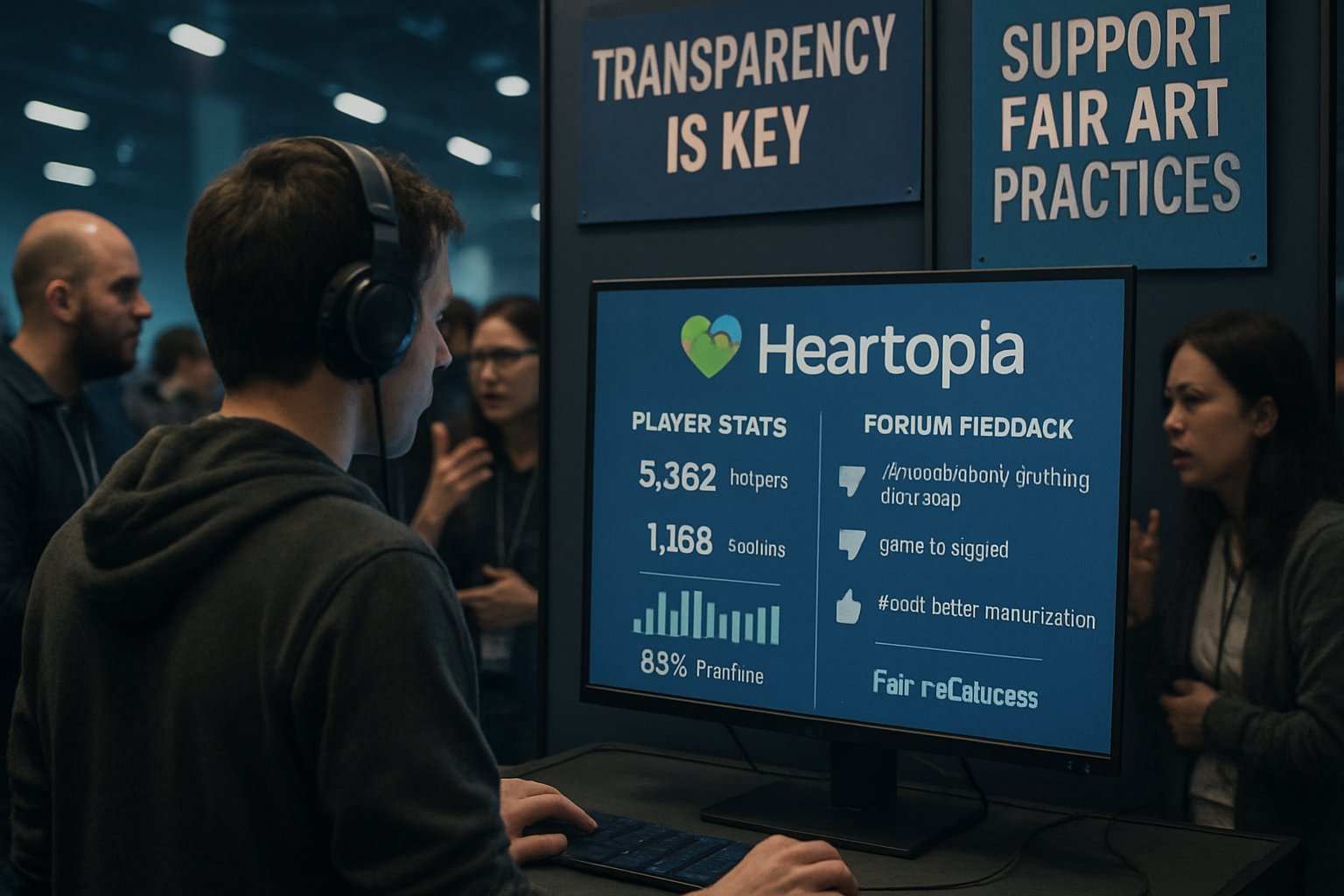
SteamDB captured a record 52,587 concurrent users on January 25, nine days after launch. Moreover, SteamCharts mirrored the milestone with a 52,461 tally, verifying cross-service accuracy. Daily active players hovered between 32,000 and 37,000 during the same week. In contrast, overall reviews remained mixed at roughly 65 percent positive. Additionally, store followers climbed beyond 22,000, and written reviews exceeded 4,000.
- Peak concurrency: 52,587 players
- Current average concurrent: 32K–37K players
- Followers pre-release: 22,000 accounts
- Mixed review ratio: 65% positive
Consequently, Heartopia broke into Steam’s global top ten free games by player count. Analysts suggest controversy may have amplified visibility through word-of-mouth curiosity. Nevertheless, high retention indicates genuine interest rather than fleeting scandal tourism. These numbers illustrate demand resilience despite sustained AI art backlash. The following segment explores how the gaming community response influences trust trajectories.
Community Trust And Transparency
Trust conversations dominated subreddit threads and Steam discussions after the disclosure. Furthermore, several moderators reportedly removed posts considered “off-topic,” sparking accusations of censorship. In response, XD staff promised earlier notifications for future feature updates. Moreover, some creators published videos dissecting AI outputs, comparing them with stock art. The gaming community response evolved into organized review campaigns urging stricter labels across storefronts. Consequently, another wave of AI art backlash erupted when influencers posted comparison slides. Nevertheless, many casual players remained indifferent, focusing on farming quests and social events. Consequently, Heartopia embodies a split audience: advocates for disclosure and fans seeking escapism. These dynamics emphasise transparency as a service quality indicator, not merely a legal checkbox. Next, industry voices broaden the conversation beyond one studio’s challenges.
Industry Debate Over Generative
Valve introduced mandatory AI labels in 2024, distinguishing pre-generated and live-generated content. Epic’s Tim Sweeney later questioned the usefulness of such notices as generative tools normalize. Meanwhile, indie collectives requested even stricter enforcement, citing creative labor displacement risks. Moreover, legal experts warn of copyright exposure if models ingest unlicensed illustrations. Heartopia offers a real-time stress test of those warnings and aspirations. Consequently, platform policy iterations will likely reference the outcome of this AI art backlash. The gaming community response has become valuable data for stakeholders drafting future guidelines. Nevertheless, tool providers keep releasing faster diffusion pipelines, ensuring the debate remains fluid. These broader currents inform the commercial calculus explored next.
Commercial Upside Continues Unabated
Free access reduced friction, converting curiosity into installs despite controversy. Additionally, cozy genre demand remains elevated, with Animal Crossing players seeking PC alternatives. Cross-platform cloud saves incentivize investment in long-term progression. Moreover, the studio monetizes through optional cosmetics rather than power advantages, encouraging experimentation. Steam’s algorithm rewards engagement, so higher peaks grant further featuring slots. Consequently, revenue potential grows even while the AI art backlash persists. Professionals can enhance their expertise with the AI Foundation certification, understanding future content workflows. These commercial levers showcase why controversies do not automatically derail financial trajectories. However, looming risks could still erode gains if left unaddressed.
Risks Loom For Developers
Legal uncertainty tops the list, with potential copyright claims over training data. Furthermore, delayed disclosures damage studio credibility during critical launch windows. In contrast, proactive communication can transform the gaming community response from hostility to partnership. Moreover, heavy-handed moderation often magnifies negative attention rather than containing it. Valve may scrutinize future updates if assurances around generated assets remain vague. Consequently, sustained AI art backlash could trigger review bombing or influencer boycotts. These challenges warrant structured risk assessments before any generative deployment. Ultimately, unmitigated AI art backlash can erode lifetime value more than development savings. The concluding section distills actionable recommendations.
Conclusion And Takeaways
Heartopia illustrates how innovation and controversy can coexist within modern launch cycles. Despite persistent AI art backlash, peak concurrency soared and revenue prospects strengthened. However, delayed transparency ignited the gaming community response, underscoring trust as a growth prerequisite. Valve’s disclosure framework supplied a safety net, yet reputational repair remains an internal task. Consequently, studios should integrate clear AI communication plans into pre-launch roadmaps. Moreover, cross-functional teams can pursue certifications like the AI Foundation certification to align ethics with execution. These steps position projects for success while minimizing regulatory and social friction. Take the initiative now and future-proof your pipeline before the next headline breaks.


