

python apiuser
2 months ago
Hazel Beta Reinvents Tax Advisory
Hazel, the AI assistant from Altruist, just quietly entered proactive tax work. Consequently, early adopters report a robust beta that projects future liabilities, compares scenarios, and exports branded reports. Moreover, the move positions Hazel as a rising force in Tax Advisory while competitors race to keep pace. Advisors now face new efficiency possibilities, yet compliance questions linger. Nevertheless, the industry buzz signals a pivotal shift that professionals cannot ignore.
Hazel Beta Rollout Insights
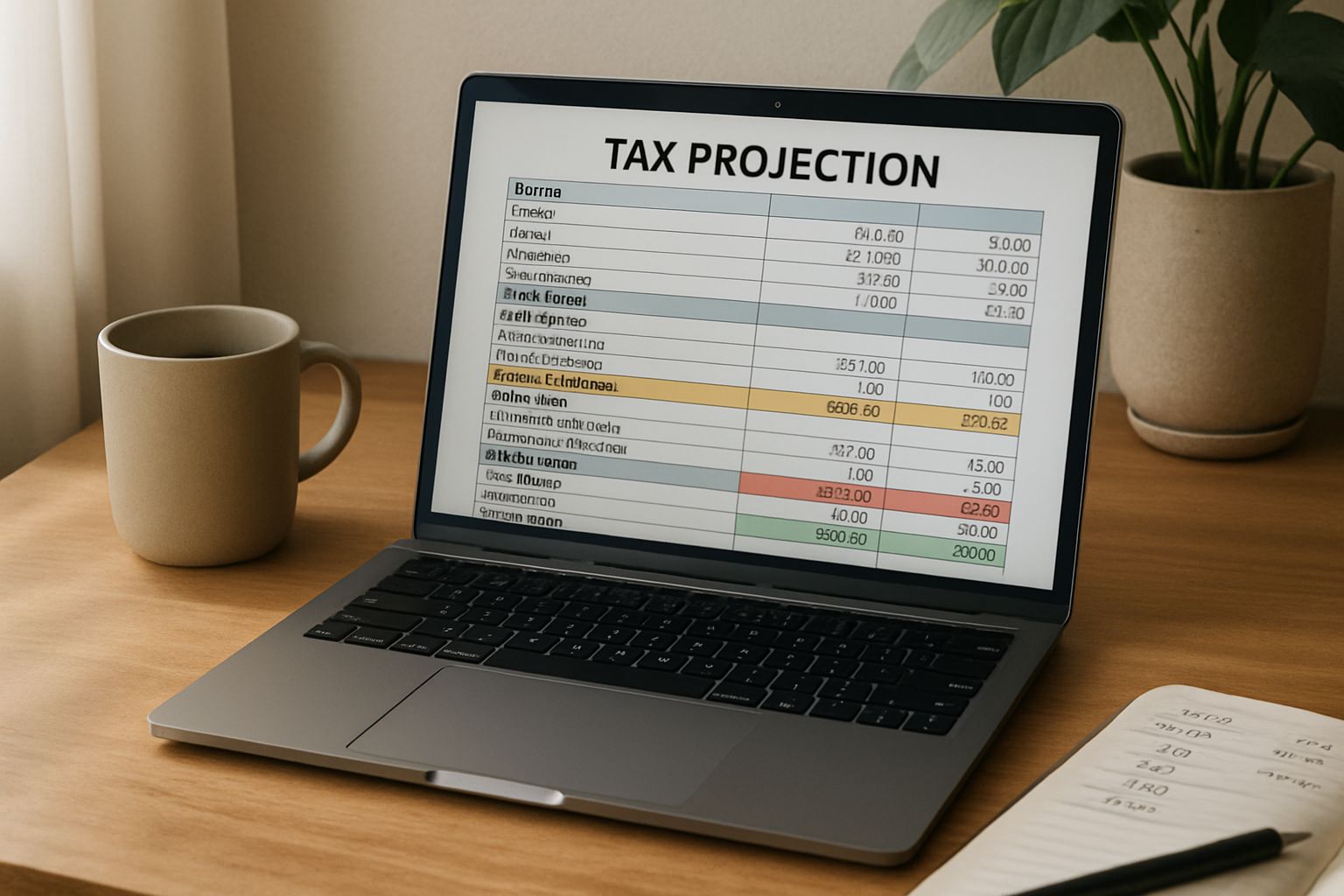
Community forums first flagged the beta in February. Furthermore, posts described Hazel ingesting prior returns, 1099s, and meeting transcripts. The assistant then produced a 2025 projection and highlighted underpayment risks. Additionally, it surfaced prioritized moves like SEP-IRA contributions with calculated savings. These anecdotes remain unconfirmed by Altruist’s press team. Nevertheless, they align with the firm’s November roadmap outlining tax-related workflows.
Key Beta Feature List
- Forward-looking Tax planning projections using live custodial data
- Scenario Modeling comparisons for conversions, harvesting, and contributions
- Branded PDF Documents ready for client meetings
- Contextual adjustments drawn from emails and CRM notes
Advisors applaud the depth, yet some fear over-reliance on automated recommendations. Consequently, firms are testing internal review checkpoints before delivery. These early reactions foreshadow broader market adoption. However, official confirmation remains pending.
Custodial Data Edge Advantage
Hazel’s biggest differentiator is direct custodial integration. Therefore, the assistant accesses verified holdings, balances, and beneficiary fields without manual uploads. In contrast, many rivals rely on user-uploaded Documents alone. The live feed enhances accuracy for Tax planning projections and ongoing monitoring. Additionally, real-time 1099 streams reduce reconciliation time when quarterly changes occur.
Jason Wenk, Altruist’s CEO, noted, “AI excels when connected to the data you need every day.” Moreover, Altruist claims enterprise encryption plus zero-retention model contracts. Compliance teams will still demand evidence, yet the architecture offers a solid starting point. Consequently, advisors could shift weekly data-gathering hours toward higher-value Advisory conversations.
These custodial advantages underscore Hazel’s strategic edge. Meanwhile, competitors must forge similar pipes or risk falling behind.
AI Tax Workflow Explained
Modern AI engines follow a clear sequence. First, optical character recognition parses uploaded returns. Subsequently, custodial feeds populate income, basis, and distribution fields. The system then runs Modeling algorithms that estimate federal and state liabilities under specified assumptions. Moreover, users tweak inputs to compare scenarios like Roth conversions versus status quo.
Hazel reportedly layers meeting transcript context onto those numbers. Consequently, charitable intent revealed in a call can prompt donor-advised fund suggestions. Additionally, the assistant ranks opportunities by projected savings, helping practitioners prioritize. The output ends with shareable Documents, including implementation checklists.
This end-to-end pipeline converts time-consuming spreadsheets into a few guided clicks. Therefore, firms can package Tax Advisory services at scale. However, human review remains vital for edge cases such as multi-state filers or complex K-1 income.
Competitive Wealthtech Market Dynamics
Holistiplan and FP Alpha currently dominate standalone tax applications. Nevertheless, neither owns a custodial channel. Consequently, Altruist’s vertical stack threatens to upend pricing and feature expectations. Additionally, larger custodians like Pershing and Fidelity are rumored to pursue similar assistants.
Investors notice the shift. Altruist’s $152 million Series F valued the firm near $1.9 billion. Moreover, the company reports 5,500 advisors on platform and over 1,000 wealth managers using Hazel. These numbers give the custodian ample runway to refine AI features before broad release.
Competitive pressure will likely accelerate partnerships, acquisitions, and Advisory rebranding moves across WealthTech. Therefore, professionals should monitor roadmap announcements throughout 2026.
Risks And Compliance Considerations
Automated projections raise accuracy questions. For example, Modeling engines sometimes misclassify K-1 passive losses, inflating liabilities. Consequently, beta users should audit every line item. Furthermore, regulatory scrutiny intensifies when AI outputs approach advice. Altruist marks Hazel reports as informational, yet the SEC may probe disclaimers’ sufficiency.
Data privacy also stays front-of-mind. Although Altruist touts zero retention, firms must document vendor flows and signed agreements. Additionally, supervisors need policies covering how client Documents, emails, and CRM notes enter LLM prompts. Internal audit trails become critical evidence during exams.
These challenges highlight critical gaps. However, emerging governance frameworks and certifications can bolster practitioner confidence. Professionals can enhance their expertise with the AI+ UX Designer™ certification.
Comprehensive controls mitigate many concerns. Consequently, firms adopting Hazel should craft step-by-step review checklists.
Strategic Takeaways For Advisors
Hazel’s beta demonstrates the future of integrated Tax Advisory. Furthermore, custodial access removes tedious data entry, while AI accelerates scenario Modeling and report creation. Advisors willing to pilot the tool could unlock efficiency gains and new revenue channels. Additionally, competitive positioning improves when clients receive digestible Documents highlighting quantified savings.
However, success depends on disciplined workflows. Therefore, advisors must validate every projection, obtain client consent for data access, and maintain detailed logs. Moreover, partnering with compliance officers early prevents costly retrofits.
Key takeaways include the following:
- Leverage custodial pipelines to strengthen Tax planning accuracy.
- Use internal experts to audit AI outputs before delivery.
- Document data governance to satisfy regulators and bolster Advisory credibility.
These practices align technology with fiduciary duty. Consequently, firms can transform Hazel from experimental beta to trusted production tool.
Innovation continues to reshape the Tax Advisory landscape. Meanwhile, diligent advisors who master AI oversight will lead the market.
Conclusion And Next Steps
Hazel’s silent beta hints at a bold future where AI, custodial data, and skilled humans converge. Moreover, early results suggest meaningful time savings, sharper projections, and enhanced client engagement. Nevertheless, compliance and accuracy demands require structured oversight, rigorous audits, and transparent disclosures. Consequently, forward-thinking firms should evaluate Hazel, compare competitive tools, and formalize review playbooks. Finally, explore advanced credentials to stay ahead; consider boosting strategic skills through the linked certification and position your practice for the coming AI-driven decade.


