

AI CERTS
2 hours ago
HALO rotation drives FTSE Record rally
Moreover, intraday prints topped 10,900 during the following week, marking the index’s eighth straight monthly gain. Meanwhile, the shift raised fresh questions about portfolio construction in an era dominated by artificial intelligence risk.
HALO Trade Concept Defined
HALO names share physical infrastructure that resists software disruption. Furthermore, they often generate steady cash, pay generous dividends, and announce hefty buybacks. In contrast, capital-light growth firms face rapid margin pressure when algorithms replicate features cheaply. Goldman Sachs highlights that its basket of heavy spenders outperformed peers by 35% since 2025. Additionally, Swissquote strategist Ipek Ozkardeskaya states, “Investors are rotating from expensive AI plays into businesses with tangible infrastructure.” Importantly, this narrative positioned the United Kingdom’s industrial base at the heart of the latest FTSE Record.
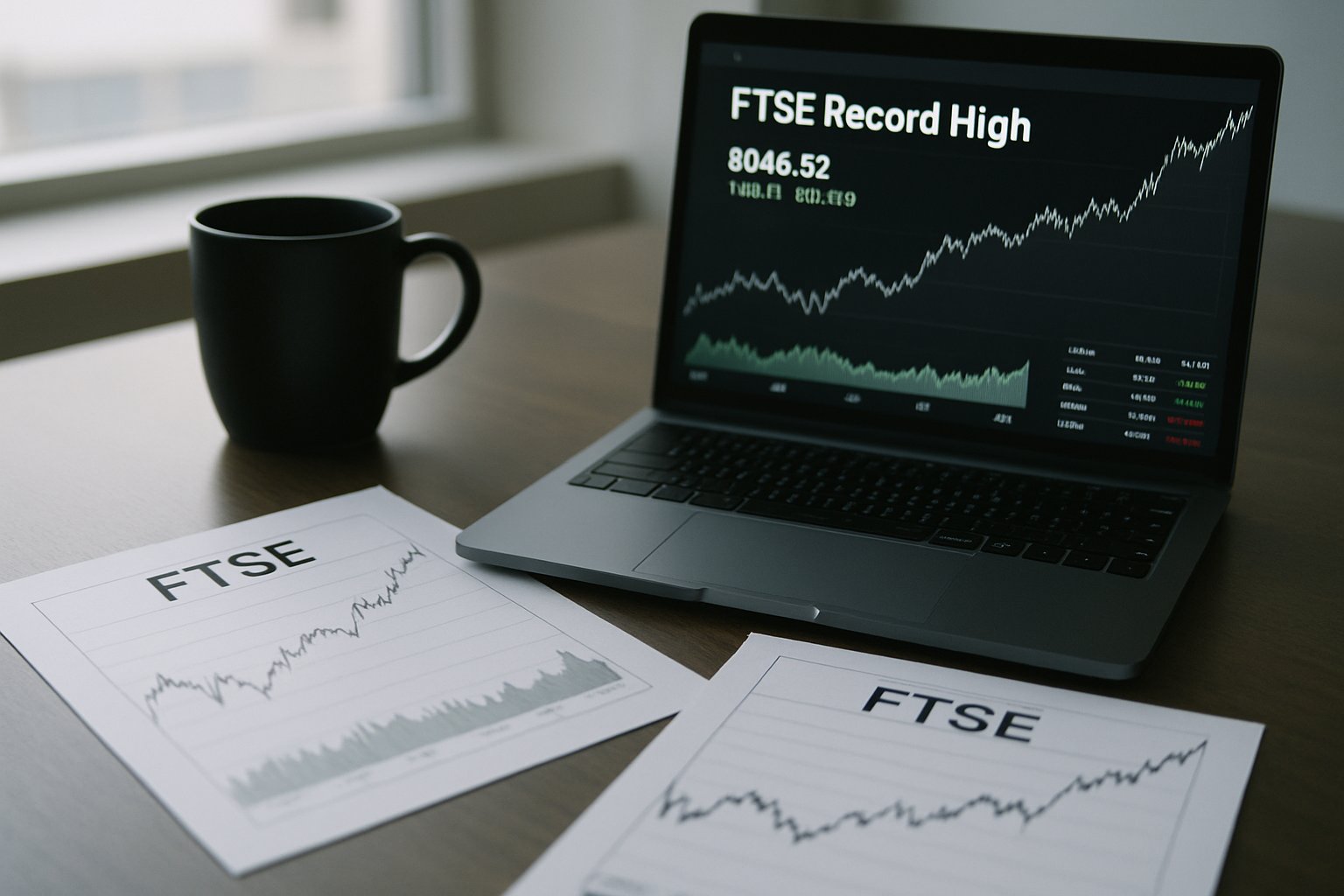
These definitional elements clarify why railways, miners, and Energy Grid operators dominated order books. Nevertheless, misconceptions linger; not all asset-heavy groups escape automation threats. The concept sets the stage for understanding the index surge. However, deeper drivers deserve inspection next.
Drivers Behind FTSE Surge
Several forces combined during the February stretch. Firstly, geopolitical uncertainty revived demand for defensive cash flows. Secondly, expectations that central banks will hold rates higher for longer benefited income-rich companies. Moreover, strong earnings from Rolls-Royce underpinned confidence. The engine maker revealed improved free cash flow and a buyback plan approaching £9 billion, a textbook HALO catalyst. Consequently, market breadth widened, and the FTSE Record gained fresh momentum.
Meanwhile, systematic funds added exposure as price action broke prior resistance. Additionally, passive flows followed index weightings tilted toward Real World Assets like refineries and ports. Consequently, low-volatility mandates amplified the move. These intertwined factors built a self-reinforcing cycle that we examine through concrete sector performance next.
Sector Winners And Losers
Performance dispersion painted a vivid picture. Shipping giant Frontline surged 57% year-to-date. Moreover, Norway’s Kongsberg gained 46% over the same window. Conversely, some high-growth software names lagged despite healthy top-line numbers. The pattern illustrated capital cycling out of speculative plays and into tangible assets including the national Energy Grid.
- Oil and gas majors added double-digit percentages.
- Industrial rental firm Ashtead rallied on U.S. expansion plans.
- Large banks benefited from higher deposit margins.
- Precious-metals miners tracked bullion’s safe-haven bid.
Nevertheless, not every value-oriented pocket thrived. Utilities with heavy debt loads underperformed as rate fears lingered. Yet, the net rotation remained evident, contributing another notch toward the latest FTSE Record. These relative moves feed into hard data, which we review next.
Data Validates Rotation Thesis
Quantitative signals corroborate the narrative. Official exchange figures show the index closed at 10,806.4 on 26 February and printed 10,902.9 intraday four sessions later. Moreover, February delivered the strongest monthly gain since November 2022. Goldman’s heavy-asset basket beat capital-light firms by 35% across 2025-2026. Consequently, thematic ETFs tracking Real World Assets attracted more than £1.2 billion during the quarter.
- Eight consecutive monthly gains documented.
- Frontline and Kongsberg ranked among top European Stocks.
- Rolls-Royce promised £9 billion in shareholder returns.
- HALO basket volatility stayed below 15% annualised.
Additionally, FTSE Russell reported passive inflows of £750 million during the week of the FTSE Record. Such evidence supports the argument that HALO flows possess depth beyond headlines. However, every strategy harbours risk, which the next section explores.
Risks Facing HALO Bets
Valuation compression remains a credible threat. Furthermore, should AI adoption accelerate monetisation, investors may rush back to software leaders. In contrast, commodity-linked profits could suffer if global growth stalls. Additionally, heavy-asset companies often carry higher leverage, leaving them sensitive to refinancing costs. Momentum algorithms might also reverse quickly once price trends flicker.
Nevertheless, careful screening mitigates many hazards. Analysts urge differentiation between firms improving earnings and those rising purely on multiple expansion. Rolls-Royce’s cash surge provides a positive benchmark. Consequently, diligent research remains vital even amid the glow of another FTSE Record. Key strategic actions are considered in the following guidance.
Strategic Takeaways For Investors
Portfolio managers can extract three practical lessons. Firstly, diversification across Energy Grid operators, industrial suppliers, and shipping Stocks helps stabilise returns. Secondly, monitoring macro triggers, especially rate trajectories, provides early warnings for rotations. Moreover, integrating practical education strengthens decision quality. Professionals can enhance expertise with the AI for Everyone™ certification.
Additionally, risk teams should distinguish between yield-supported winners and speculative laggards. Consequently, balanced exposure prepares portfolios for potential mean reversion without abandoning Real World Assets. These priorities echo across global desks as the FTSE Record reshapes playbooks. However, investors still need a concise wrap-up, which arrives next.
Conclusion And Next Steps
The February rally demonstrated that enduring infrastructure can still outshine dazzling code. Moreover, HALO momentum propelled another FTSE Record while validating a broader pivot toward heavy assets. Nevertheless, risks linger around valuations, leverage, and policy surprises. Consequently, disciplined analysis, active monitoring, and continuous upskilling remain imperative. Explore specialised credentials, review balance-sheet strength, and prepare portfolios for further rotation. Act now to position ahead of the next market milestone.


