

AI CERTS
2 months ago
Grindr Edge Tests AI Personalization Pricing at Luxe Levels
Moreover, Grindr framed the test as an early attempt to build smarter, faster connections for queer communities. Consequently, investors see a potential high margin lever if even a sliver of users convert. Nevertheless, privacy advocates warn that algorithmic intimacy comes with new risks and regulatory scrutiny. This article unpacks the experiment, assesses market context, and explains impacts for platforms exploring similar models.
Edge Strategy Overview Now
Edge bundles every existing Unlimited benefit with three new AI modules named Discover, Insights, and A-List. Additionally, Discover promises personalized Matching suggestions, while Insights reveals behavioral signals before messages get composed. Meanwhile, A-List resurfaces dormant chats, nudging lapsed prospects back into visible queues. Edge represents the first test of full AI Personalization Pricing within the queer dating space. Together, these perks aim to shorten search cycles and deepen user Experience. In contrast, the price tag positions Edge in a category all its own, leading to fresh questions.
AI Personalization Pricing Trends
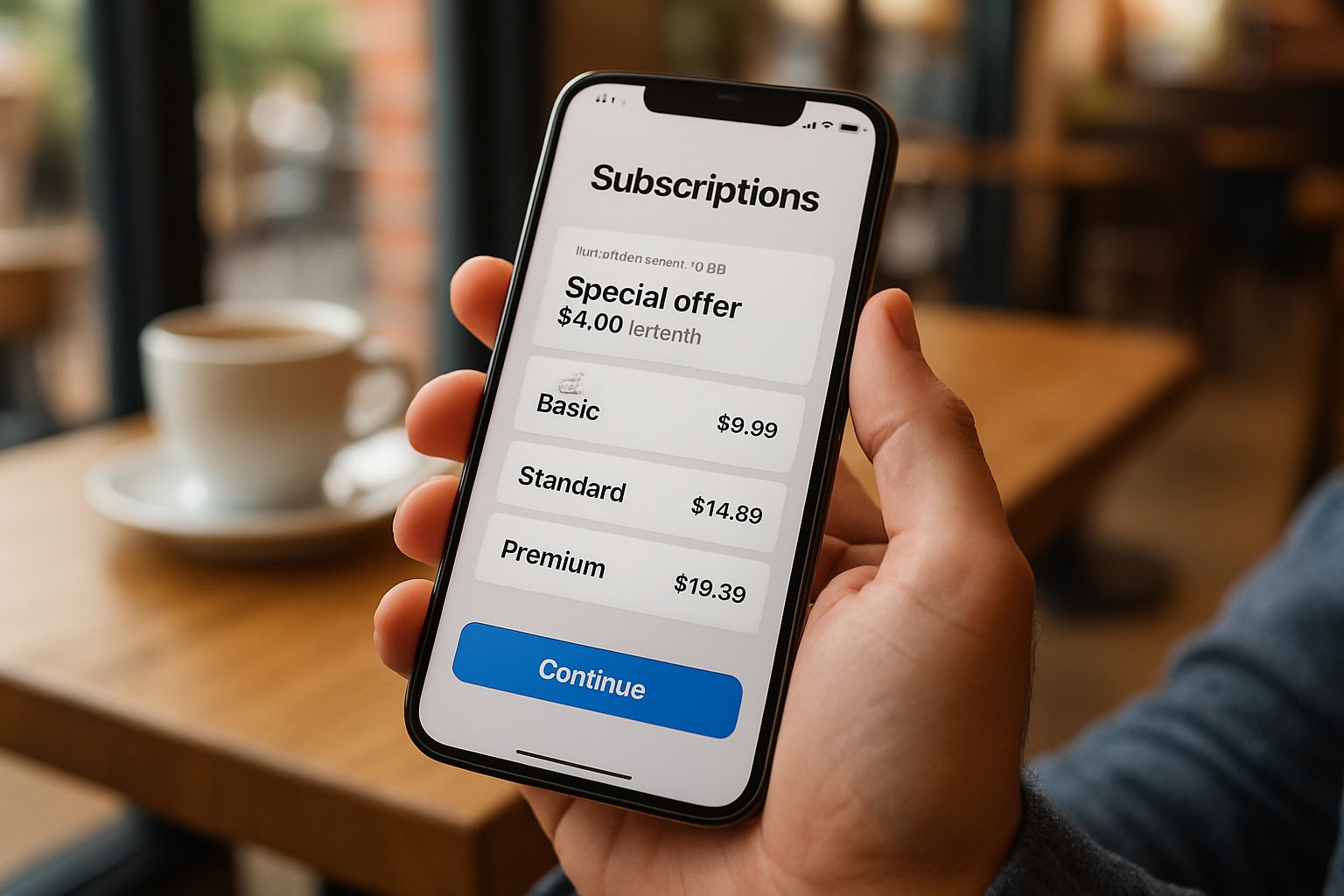
Most consumer apps experiment with segmented pricing, yet few have attempted numbers approaching $80 each week. Furthermore, Grindr is testing several anchors, from $80 weekly to $499 monthly, sometimes shown alongside lower offers. Behavioral economists label this tactic anchoring, designed to make mid-tier options feel affordable. Consequently, AI Personalization Pricing lets the platform identify so-called whales willing to pay extreme premiums. Analysts view AI Personalization Pricing as a logical extension of dynamic airline fares applied to romance. Such variable strategies have powered mobile games for years and increasingly shape dating Subscription tactics. Therefore, understanding the broader market baseline is essential before judging Edge’s sticker price.
Market Pricing Context Today
Top Bumble tiers reportedly stay below $60 monthly, while Tinder’s VIP option hovers near $119. Moreover, Hinge and niche services rarely exceed $50 for their richest packages. In contrast, Grindr Edge can cost eight times Tinder’s peak, redefining expectations for premium dating spend. Industry analysts argue the test resembles first-class airfare: a high price subsidizes budget seats beneath it.
- Platform MAUs: nearly 15 million worldwide.
- Paying subscribers: about 1.3 million, per 2025 filings.
- Q3 2025 revenue growth: roughly 30% year over year.
- Edge pilot geographies: Australia, New Zealand, select U.S. cities.
These figures reveal why leadership seeks fresh Revenue streams from loyal superfans. Subsequently, we examine how the AI bundles actually function.
AI Bundles Explained Clearly
Discover scans profile behavior, time of day, and stated preferences to surface stronger Matching suggestions each login. Additionally, Insights scores potential replies using sentiment analysis, advising whether a message may succeed before sending. Moreover, A-List ranks prior conversations by recent activity, nudging follow-ups when attention appears reciprocal. Such automation aims to upgrade the in-app Experience without forcing users to draft perfect openers alone. Each module feeds the broader AI Personalization Pricing stack by increasing perceived exclusivity. If effective, the features could lift Engagement and lower churn, critical drivers for recurring Subscription revenue. Next, we explore initial public reaction to these AI promises.
User Reaction Pulse Today
Screenshots flooded social media within hours of the first U.S. rollout. Consequently, memes mocked the $350 tag, with one tweet calling Edge a mortgage payment for gay singles. Nevertheless, a handful of comments praised faster Matching results and fewer ads. Analysts suspect outrage helps Grindr gauge price ceilings by measuring social sentiment alongside conversion data. Early chatter underscores reputational risk if AI Personalization Pricing appears exploitative. Therefore, market observers look ahead to financial implications. Many tweets questioned whether AI Personalization Pricing commodifies intimacy.
Business Impact Forecast Ahead
Assume just 1% of paying members adopt Edge at $350 monthly. That estimate translates to about $55 million in annual Revenue, excluding weekly plans and add-ons. Moreover, incremental profit would be high because the digital goods carry minimal marginal costs. However, backlash could dampen wider Subscription adoption, offsetting gains.
- Upside: Differentiated Experiences for power users.
- Risk: Heightened regulator focus on data use.
- Risk: Community split by affordability.
Collectively, these factors reveal a delicate balance between short-term Revenue and long-term brand equity. Next, we assess privacy and fairness implications. Investors therefore track AI Personalization Pricing metrics closely during upcoming earnings calls.
Privacy And Fairness Risks
Edge relies on behavioural data including location, swipe patterns, and message content to fuel its algorithms. Consequently, European regulators may scrutinize whether sensitive sexual orientation data informs the models. In contrast, U.S. rules remain patchy, though several bills target differential pricing practices. Privacy groups also fear AI-generated icebreakers could erode authenticity, cheapening the dating Experience. Company spokespeople say data will follow existing policies, yet detailed disclosures remain scarce. Subsequently, stakeholders should monitor upcoming product documentation and policy updates.
Strategic Takeaways Future Path
Edge marks the boldest use of AI Personalization Pricing in consumer dating thus far. Furthermore, the experiment signals confidence that luxury digital tiers can exist alongside free community access. Professionals can enhance their expertise with the AI+ UX Designer™ certification. Moreover, understanding personalization economics now positions product leaders for upcoming platform battles. Leaders must weigh monetization against community Experience to maintain trust. The Edge trial therefore offers valuable lessons on pricing psychology, AI capability, and community trust. Finally, we turn to concrete recommendations.
Key Conclusions
Edge illustrates how far dating apps will push price innovation. Dynamic AI pricing creates irresistible economics yet invites tough ethical and regulatory debates. Furthermore, user reaction shows community perception can shift quickly from excitement to outrage. Consequently, product leaders must test transparently, explain data practices, and offer real value beyond status. Professionals who master monetization design and privacy balance will shape the next wave of platform growth. Therefore, consider deepening skills through the certified AI+ UX Designer™ program linked above. Act now to future-proof your career and lead responsible, profitable personalization initiatives.


