

AI CERTS
2 hours ago
Grid Strain: Britain’s Winter Resilience Tested
Consequently, officials describe the system as resilient yet fragile. Ofgem’s new RIIO-3 settlement unlocks £28 billion for networks while imposing tough delivery penalties. Meanwhile, booming battery projects and hungry Datacenters reshape Electricity flows across the UK landscape. This article unpacks the outlook, investment tensions, and operational tools keeping Grid Strain at bay.
Winter Reserve Margins Improve
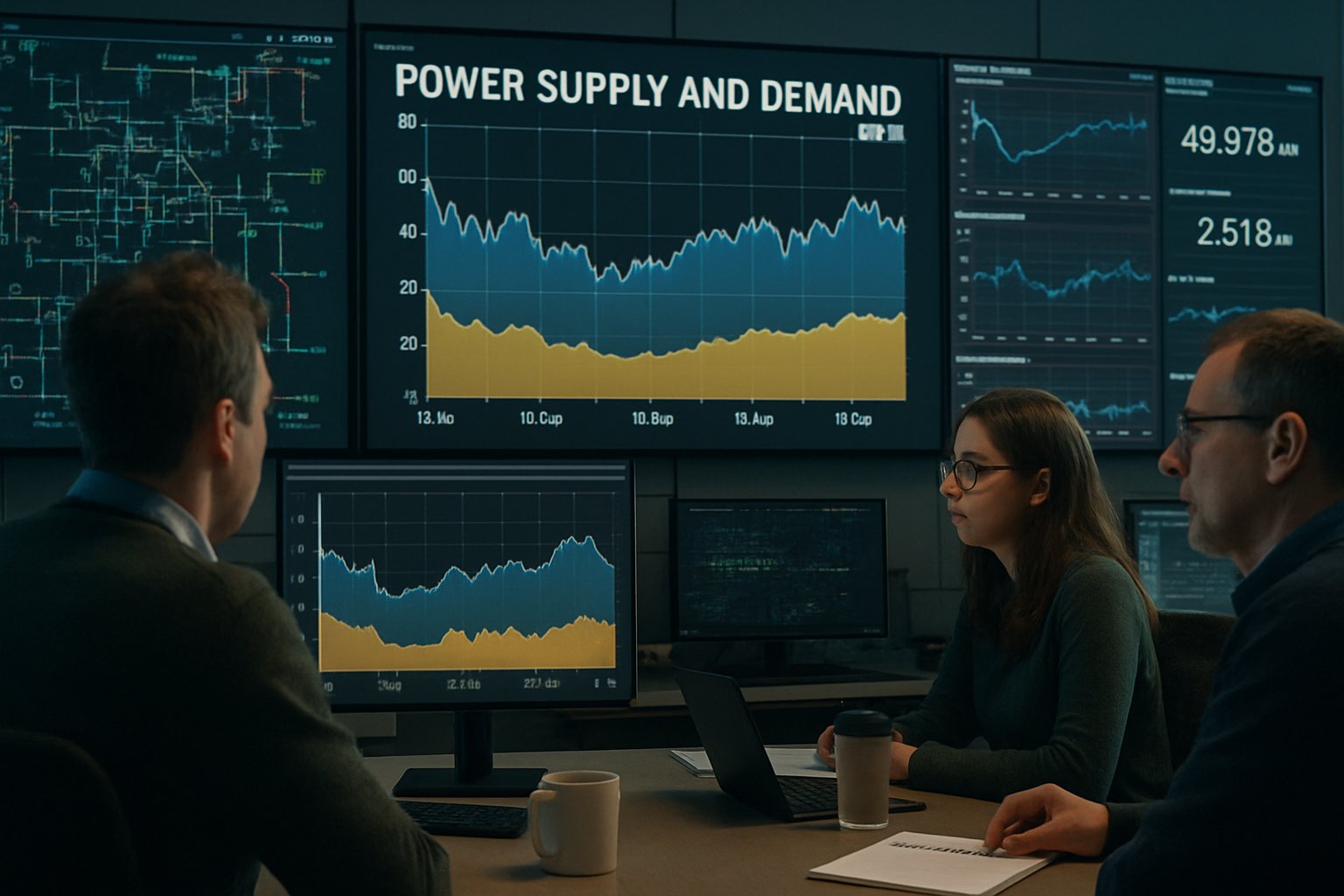
NESO forecasts the largest operational margin since 2019/20. Moreover, the Loss of Load Expectation remains under 0.1 hours, meeting reliability standards comfortably. New battery storage, the Greenlink interconnector, and better gas plant availability underpin the improved numbers. Consequently, baseline blackout probability is subdued despite occasional Grid Strain warnings.
Interconnector capacity now tops 10 GW, offering valuable import flexibility when continental markets cooperate. Nevertheless, NESO stresses that imports depend on regional weather and price signals. Therefore, domestic reserves still matter for sudden demand spikes.
Overall, winter margins look encouraging. However, isolated tight days could still test the buffer. The next section explores why operational risks persist.
Persistent Grid Operational Risks
Even with surplus capacity, several variables can erode resilience fast. In contrast, low wind periods lasting days force heavier reliance on gas and imports. Short-duration batteries average 1.6 hours, limiting coverage through extended lulls. Consequently, NESO prepares notices and the Demand Flexibility Service to cut peak demand swiftly.
Analysts also flag ice-cold mornings in December and January as the likeliest windows for Grid Strain. Furthermore, interconnector flows reverse when neighbouring systems face their own stress. Therefore, a single French nuclear outage can cascade across the UK market.
Persistent risks demand disciplined preparation. Consequently, regulators focus on rapid investment and strict oversight. Funding tensions sit at the heart of that oversight.
Regulator Grid Funding Tensions
Ofgem finalised RIIO-3 determinations in December 2025 after months of heated consultation. The package releases £28 billion immediately and signals up to £90 billion by 2031. However, allowed returns remain tight, and clawbacks threaten companies that miss milestones. Jonathan Brearley stated that every pound must deliver value for consumers.
Network executives counter that constrained returns may deter capital for massive offshore links. Moreover, complex planning approvals already slow shovel-ready projects. Consequently, balancing consumer protection with delivery speed forms a delicate equation driving potential Grid Strain.
Independent consultancy Oxera notes the trade-off could slip project timelines unless incentive menus flex. Investment is flowing, yet pressure on efficiency remains intense. Subsequently, storage growth becomes a critical shock absorber. The following section evaluates that battery boom.
Rapid Battery Boom Impact
Great Britain added nearly two gigawatts of battery capacity during 2025 alone. Modo Energy now tracks around 6.8 GW operational, with over 28 GW approved. Furthermore, fast-cycling batteries shave evening peaks and reduce curtailment of renewable Power. However, average discharge duration remains short, limiting contribution during multiday calm spells.
In contrast, pumped storage and hydrogen projects progress slowly because business models remain uncertain. Consequently, batteries ease daily Grid Strain yet cannot replace firm generation entirely.
Daily flexibility is improving quickly. However, seasonal adequacy still relies on diverse assets and strong networks. Demand growth from data infrastructure underscores that reality.
Growing Datacenters Fuel Demand
AI adoption accelerates construction of energy-hungry Datacenters across the UK. Meanwhile, hyperscale developers request multi-hundred-megawatt connections in London, Manchester, and Scotland. NESO forecasts that digital facilities could add nearly 2 GW winter peak load by 2028. Therefore, Datacenters amplify baseline consumption while limiting headroom during unexpected surges.
Ofgem aims to accelerate connections by imposing deadlines and queue reforms on network operators. Nevertheless, some applicants still face dates beyond 2030, a timeline incompatible with investor expectations. Consequently, slower connections can indirectly increase Grid Strain because on-site diesel backup substitutes reliable grid Electricity.
Digital growth alters demand dynamics sharply. Therefore, capacity planning must anticipate clustered datacenter loads. Strategic expansion paths now command attention.
Long-Term Capacity Expansion Path
DESNZ targets a decarbonised Electricity system by 2035. Therefore, transmission owners plan hundreds of kilometres of new high-voltage lines. Moreover, offshore grids linking Scottish wind to southern load centres are entering design phases. However, public opposition and supply-chain constraints create schedule risk.
Interconnector operators pursue further links with Norway, Denmark, and Morocco, raising import optionality. Nevertheless, overreliance on imports can shift rather than solve Grid Strain challenges. Balanced portfolios combining renewables, flexible thermal plant, storage, and demand response remain essential.
Key 2025 figures illustrate the scale.
- Operational margin winter 2025/26: 6.1 GW, about 10 % of peak demand.
- Battery capacity end-2025: roughly 6.8 GW, 1.6-hour average duration.
- Approved RIIO-3 upfront funding: £28 billion across gas and Electricity networks.
- Total potential investment to 2031: nearly £90 billion according to the regulator.
- Interconnector capacity operational: just over 10 GW after Greenlink commissioning.
These data points frame both opportunity and urgency for planners. Subsequently, coordinated action becomes vital. The final section outlines concrete next steps.
Strategic Grid Actions Forward
NESO plans regular stress-test drills with generators and distribution operators. Moreover, it will expand the Demand Flexibility Service to small businesses by 2027. Network companies must publish quarterly progress reports against RIIO-3 milestones to avoid penalties. Consumers and Datacenters can enhance resilience by staggering non-critical loads during alert periods.
Professionals can sharpen strategy through the AI Customer Service™ certification. Consequently, teams learn to manage digital workloads while minimising Grid Strain and customer outages.
Proactive governance, flexible demand, and transparent reporting create a resilient future. However, sustained focus will be required as electrification accelerates.
Conclusion
Britain enters the upcoming winter better prepared than recent memory suggests. However, NESO and Ofgem accept that Grid Strain can still emerge during extreme weather. Improved reserves, battery growth, and interconnector flows tighten defences. Meanwhile, surging Datacenters and heat-pump adoption drive fresh Electricity and Power requirements.
Therefore, rapid transmission upgrades and disciplined project delivery will define success. Industry leaders should track milestones, participate in demand response, and pursue cutting-edge skills. For those ready to lead, the linked certification offers an immediate route to expertise. Explore the course today and help secure a robust, low-carbon Power grid for the UK.


