

AI CERTs
1 hour ago
Grab Rumor Fuels Delivery Expansion Debate
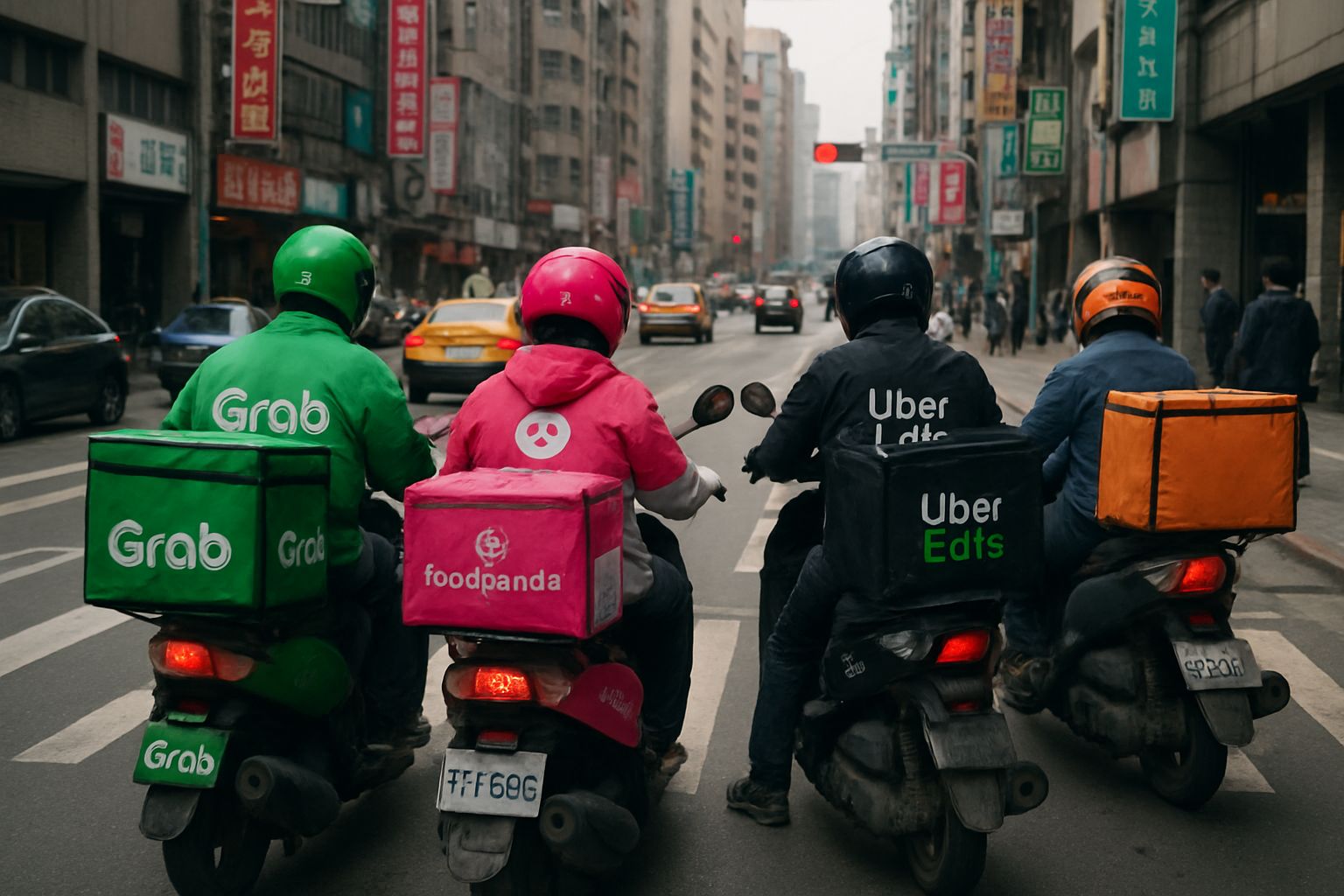
Rumors spread quickly across tech forums on 23 March. Posts claimed Grab had struck a US$600 million deal for Foodpanda Taiwan. Observers framed the chatter as a bold Delivery Expansion inside a hotly contested market. However, no company has issued a confirming statement so far.
Industry veterans recall how Uber’s richer 2024 bid collapsed under regulatory heat. Consequently, professionals now weigh the credibility, price gap, and potential antitrust obstacles facing any new suitor. Therefore, this article dissects the rumor, contrasts past events, and maps the verification path ahead.
Rumor Sparks Market Interest
Initial Reddit threads referenced unnamed insiders close to HERO headquarters in Berlin. Meanwhile, the posts framed the move as another Delivery Expansion play within North Asia. Grab allegedly agreed to absorb all riders, merchants, and logistics assets in Taiwan under one banner. Moreover, commenters projected H2 2026 closing, pending TFTC clearance. No regulatory filings support those projections at publication time.
The rumor has energized analysts yet remains unverified. Nevertheless, market curiosity sets the stage for deeper comparison with prior deals. This context leads directly to lessons from Uber’s blocked attempt.
Comparing Past Blocked Deals
Uber once offered US$950 million for the same unit in May 2024. In contrast, the Taiwan Fair Trade Commission rejected that merger on 25 December 2024. Officials warned that a combined Uber-Foodpanda share would exceed 90 percent. Subsequently, Uber paid HERO a break fee estimated near US$250 million. Consequently, Foodpanda Taiwan remained independent yet bruised by months of uncertainty.
Now, a fresh Delivery Expansion narrative surfaces with Grab offering a reported lower price. These contrasts illustrate how valuations ebb when regulatory risk rises. Past blockages underscore the importance of antitrust scrutiny. Therefore, regulators again occupy center stage in the unfolding story.
Regulatory Hurdles Remain High
Taiwan’s watchdog has signaled strict oversight after the Uber decision. Additionally, officials cited worker welfare and merchant fees as key metrics. Grab also faces earlier warnings from Singapore’s authority over Southeast Asian consolidation. Moreover, any filing would trigger a public comment period and possible remedies.
Analysts expect a risk of another outright veto if market share appears excessive. Consequently, the rumored price discount may anticipate future divestitures or behavioral commitments. Grab must document how Delivery Expansion will not erode competition or gig-worker income. These regulatory realities dominate boardroom calculations.
Nevertheless, strategic incentives still tempt corporate planners. Next, we examine why the asset attracts Grab despite looming hurdles.
Strategic Value For Grab
Grab lacks a large delivery foothold in Taiwan today. Acquiring Foodpanda would grant instant scale, profitable volume, and mature rider networks. Furthermore, Grab could bundle ride-hailing, payments, and loyalty points across one Taiwanese super app. Cross selling improves retention and raises unit economics.
Moreover, leadership eyes synergies in procurement, cloud kitchens, and advertising. The €1.6 billion GMV disclosed for 2024 would bolster revenue benchmarks. Therefore, management views this Delivery Expansion as aligned with its Southeast Asia growth map.
Professionals can deepen skills through the AI Marketing Strategist™ certification. Such credentials aid managers crafting post-merger brand campaigns.
In summary, acquisition synergies appear attractive despite the barriers. Yet, price signals and funding constraints also warrant attention.
Pricing Signals And Risks
Rumor quotes a US$600 million consideration, almost 40 percent below Uber’s 2024 figure. In contrast, HERO secured a higher valuation when competitive tension existed. Meanwhile, the rumored Delivery Expansion discount forces fresh questions about asset quality. Additionally, macro tightening has lowered multiples across the on-demand sector.
- Regulatory uncertainty depresses perceived asset value.
- Seller urgency may drive concessions on price.
- Limited bidder pool reduces auction dynamics.
Therefore, the rumored discount may combine all three influences. However, the figure remains speculative until parties publish official term sheets. Investors should track funding capacity because Grab recently prioritized profitability over aggressive spend. Delivery Expansion ambitions must align with balance sheet realities.
These pricing factors shape deal feasibility as much as regulation. Subsequently, verifying facts becomes the immediate task for journalists and stakeholders.
Next Verification Steps Forward
Reporters already monitor Grab’s newsroom and HERO filings for confirmation. Furthermore, the Taiwan FTC website lists merger notifications within days of submission. Stakeholders should also watch Reuters and Bloomberg terminals for mandatory disclosures. Moreover, direct outreach to corporate spokespeople can accelerate clarity.
Below is a concise checklist.
- Refresh regulatory dockets daily.
- Request comment from all parties.
- Compare announced scope with Delivery Expansion claims.
Consequently, transparency will improve market efficiency. Clear steps reduce rumor volatility. Finally, we turn to overall outlook.
Conclusion And Market Outlook
The Grab-Foodpanda rumor highlights Asia’s dynamic delivery chessboard. Regulators blocked Uber, yet consolidation pressures persist. Moreover, HERO may still divest at the right price. Strategic logic favors Delivery Expansion, but verification remains paramount. Therefore, observers should track filings, statements, and valuation trends.
Professionals seeking an edge can pursue the AI Marketing Strategist™ credential. Such learning supports strategic planning during Delivery Expansion waves across the region. Stay informed, verify sources, and be ready when facts replace speculation. Consequently, bookmark this page and subscribe for future analysis.


