

AI CERTS
2 hours ago
Google’s Health Disclaimer Downplay Raises New AI Safety Fears
These summaries appear above organic links, offering quick bulleted guidance derived from multiple sites. Consequently, many users treat the text as authoritative medical advice. Recent investigations reveal the formal safety disclaimer sits behind a small Show more button.
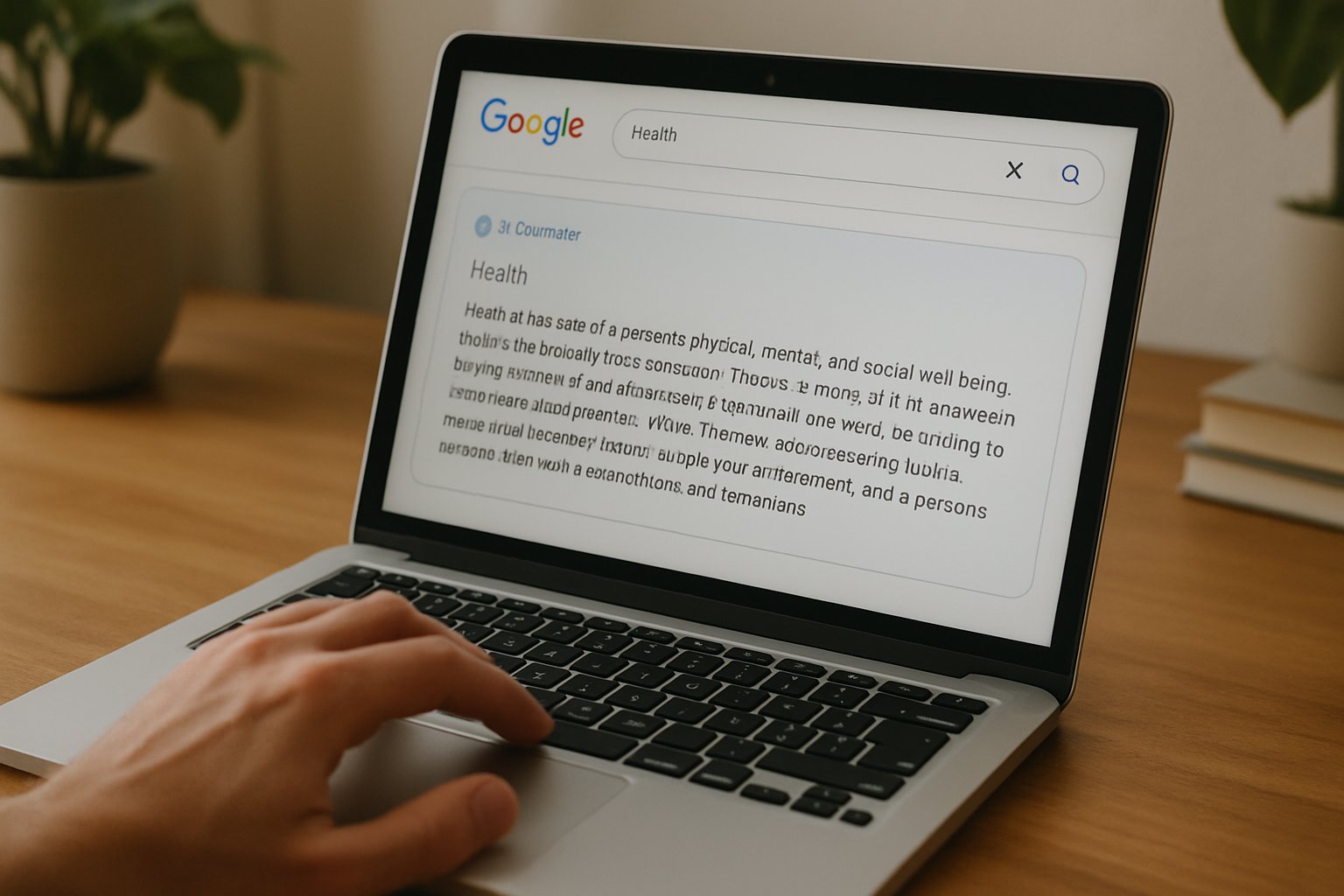
Meanwhile, critics argue the placement violates usability norms for high-risk content. Pew data show click-through rates drop almost by half when AI Overviews display. This article unpacks design choices, empirical data, regulatory stakes, and possible remedies.
AI Overviews Design Risks
Google debuted AI Overviews to deliver instant multi-source answers across countless topics. However, health queries fall under Google’s YMYL policy, demanding exceptional care. Critics note that Health Disclaimer Downplay conflicts with that policy by obscuring warnings.
Moreover, AI Overviews User Risk Disclaimers appear only after expansion, in smaller grey text. Design researchers like MIT’s Pat Pataranutaporn call this layout a dangerous cognitive shortcut. He argues the missing friction encourages uncritical trust in generated guidance.
Therefore, the interface trades speed for informed consent during critical decision moments. These risks set the stage for examining visibility issues directly. In short, burying warnings undermines safety claims. Users may wrongly treat AI outputs as vetted medical advice. Next, we explore how hidden disclaimers hamper visibility even further.
Hidden Disclaimer Visibility Challenges
Guardian reporters manually tested dozens of health searches in February 2026. They found the medical caution appeared only after extra clicks 83% of the time. Consequently, most people scanning the page never saw the warning at all.
In usability studies, eye-tracking indicates readers ignore small grey footer text. AI Overviews User Risk Disclaimers therefore fail to interrupt risky self-diagnosis behaviors. Additionally, the Show more link itself blends with surrounding interface elements, reducing discoverability.
Overall, Health Disclaimer Downplay decreases the chance a user recognizes limitations. This invisibility contradicts longstanding accessibility guidelines for essential notices. The next section examines user behavior metrics that quantify this impact.
User Behavior Data Insights
Pew Research Center tracked billions of anonymized browser events during 2025. Their analysis found link clicks fell from 15% to 8% when AI summaries appeared. Meanwhile, only 1% of sessions involved clicking a citation within the summary itself.
Furthermore, AI Overviews User Risk Disclaimers remain unseen during these quick exits, according to the dataset. Consequently, AI Overviews concentrate informational power yet provide limited outbound exploration. The dynamic magnifies harm when incorrect advice circulates unchallenged. Researchers label this a visibility-accuracy paradox.
Notably, Health Disclaimer Downplay was evident across diverse demographic segments in the study. Importantly, these statistics expose how Health Disclaimer Downplay can amplify missteps. Users exit search believing they hold reliable answers, bypassing medical professionals. Regulatory pressure now mounts in response, as we discuss next.
Regulatory And Legal Pressure
Across Europe, the EU AI Act classifies health-impacting systems as high risk. Therefore, transparency obligations require clear warnings and human oversight mechanisms. In contrast, Google’s current placement may breach emerging guidance on conspicuous labeling.
Meanwhile, U.S. agencies like the FTC and FDA monitor potential deceptive health marketing. However, no formal enforcement action has been announced yet. Policymakers could intervene swiftly if harm evidences accumulate.
Overall, regulators see Health Disclaimer Downplay as a preventable design failure. Legal compliance pressures will likely intensify after more documented mistakes. Industry stakeholders must respond proactively, which we cover next.
Industry Response And Responsibility
Google states AI Overviews encourage professional consultation and cites ongoing quality improvements. Nevertheless, the company removed only some inaccurate summaries after public outcry. Publishers complain traffic losses threaten funding for original reporting that feeds the models.
Additionally, patient charities highlight real cases of misleading pancreatic and liver guidance. Industry researchers propose stronger gatekeeping for YMYL topics and transparent auditing logs. Professionals can enhance their expertise with the AI Security Compliance™ certification.
Collectively, these reactions underscore accountability gaps behind Health Disclaimer Downplay. Stakeholders agree that clearer disclaimers form a minimal viable fix. We now outline actionable mitigation paths.
Mitigation Paths And Recommendations
First, Google can surface the full medical warning directly above the AI text. Moreover, bold typography and contrasting color would satisfy accessibility standards. Second, health overviews should trigger double review by medical professionals before deployment.
Third, AI Overviews User Risk Disclaimers need consistent placement across devices and locales. Consequently, users will receive identical cues regardless of platform. Fourth, external audits and red-team exercises should feed continual improvement loops.
Addressing Health Disclaimer Downplay demands layered intervention across design, policy, and education.
- Display disclaimer above fold for all health queries.
- Institute mandatory clinician review for YMYL outputs.
- Publish transparency reports on removal or edits.
Taken together, these steps reduce Health Disclaimer Downplay exposure and rebuild trust. Such measures also align with impending EU compliance demands. Finally, we summarize the broader implications.
Forward Looking Risk Outlook
Google revolutionized information retrieval yet must match speed with responsibility. Ultimately, persistent Health Disclaimer Downplay threatens user safety and corporate credibility. However, transparent disclaimers, rigorous review, and clear regulation can mitigate emerging harms.
Industry leaders should adopt proactive compliance strategies before mandates arrive. Meanwhile, professionals can upskill through accredited programs to guide safe AI deployments. Readers seeking deeper governance knowledge should explore the linked certification and stay informed.


