

AI CERTs
2 hours ago
Google Gemini Milestone Accelerates AI Adoption
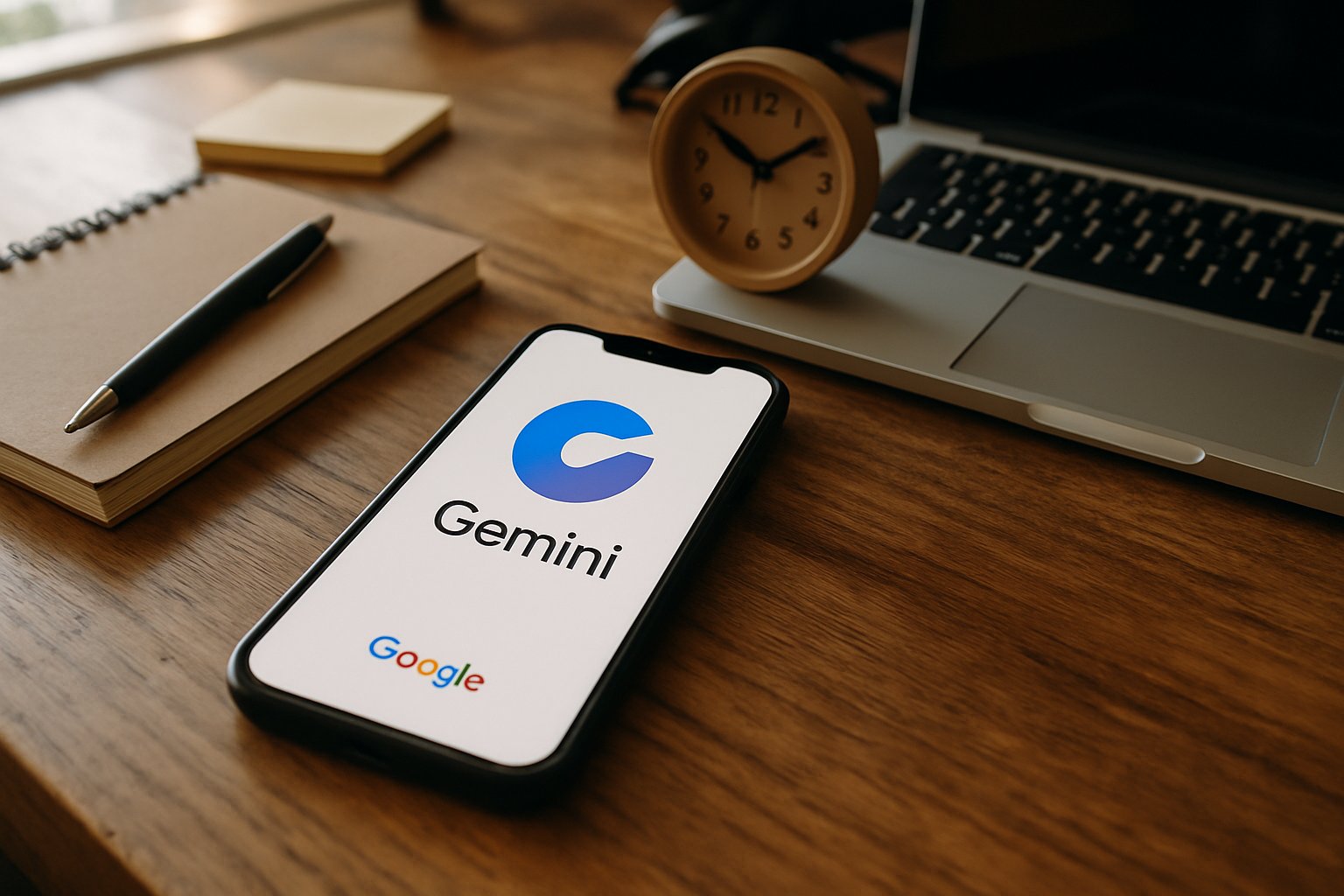
Google’s latest disclosure has stirred the market. On 4 February 2026, Alphabet confirmed that its Gemini App now attracts over 750 million monthly active Users. That figure highlights accelerating AI Adoption across consumer and enterprise segments. Moreover, management linked the jump to December’s Gemini 3 launch and deeper product integrations. Consequently, analysts are reassessing competitive dynamics and revenue models. This article unpacks the milestone, contextual drivers, and future implications.
Gemini Growth Outpaces Rivals
Quarter-over-quarter growth proved striking. Gemini moved from 650 million to 750 million monthly Users between Q3 and Q4 2025. Additionally, independent estimates place ChatGPT at roughly 810 million, signalling a narrowing gap. However, growth momentum currently favors Google. Management credits Search “AI Mode,” Gmail plug-ins, and Chrome sidebar widgets. Furthermore, pervasive Android distribution pushes the Mobile channel.
Key numbers illustrate the trend:
- 100 million net new Users last quarter
- >10 billion tokens processed each minute via API
- Serving unit costs cut 78% over 2025
These metrics underscore platform Scale. Nevertheless, measurement methods vary across vendors, so absolute comparisons require caution. The surge exemplifies AI Adoption in action. These gains demonstrate strong network effects. Consequently, rivals must respond swiftly.
The section shows remarkable momentum. Meanwhile, further drivers will surface in enterprise channels.
Enterprise Momentum Drives Revenue
Consumer traction matters, yet monetization lives in the boardroom. Sundar Pichai revealed more than 8 million paid Gemini Enterprise seats across 2,800 companies. Moreover, Airbus, Honeywell, and Kroger feature among early adopters. Consequently, corporate champions validate production readiness.
Pricing details remain sparse. Nevertheless, early seat volumes indicate robust willingness to pay. Additionally, Google Cloud bundles accelerate procurement cycles. Enterprise demand amplifies AI Adoption trends by embedding tools into daily workflows.
Professionals seeking competitive skill sets can validate expertise through the AI Sales Leader™ certification. Certified staff shorten evaluation timeframes and strengthen ROI cases.
This revenue engine complements advertising. Therefore, Gemini’s commercial fate no longer rests solely on consumer upsell models.
Enterprise traction secures a diversified income base. However, economics depend on infrastructure efficiency, examined next.
Infrastructure Cost Efficiency Gains
Serving costs often decide product viability. Google cut Gemini serving unit expenses by approximately 78% during 2025. Moreover, token throughput rose from 7 billion to >10 billion per minute. Consequently, gross margin headroom widened.
Optimizations span TPU v6 deployment, model distillation, and smart batching. Additionally, localized inference on Mobile devices reduces data-center loads. These improvements boost platform Scale and responsiveness. Furthermore, lower costs enable broader freemium tiers, which fuels further AI Adoption.
Nevertheless, energy consumption and supply-chain bottlenecks persist. Therefore, sustained efficiency gains remain a strategic imperative.
Cost progress strengthens profitability narratives. In contrast, competitive pressure introduces fresh risk variables, explored below.
Competitive Landscape And Risks
OpenAI’s ChatGPT still leads on raw MAUs. However, Gemini’s growth rate now surpasses ChatGPT’s. Additionally, Meta AI, Anthropic, and xAI continue shipping updates. Consequently, differentiation depends on integration depth, personal data leverage, and multimodal quality.
Regulatory scrutiny also intensifies. European and U.S. watchdogs question data provenance. Moreover, privacy litigations unearthed internal Gemini numbers last year. These proceedings underscore transparency demands. Nevertheless, Google’s household presence offers engagement moats. Yet, those moats invite antitrust claims.
Market analysts caution that MAU definitions differ. Therefore, investors should examine active-time metrics rather than log-in counts alone. Robust Scale can mask churn if classification rules shift.
Competitive dynamics remain fluid. Subsequently, precise measurement becomes pivotal, as detailed next.
Measurement And Methodology Gaps
Companies self-report MAUs. Consequently, analytical firms struggle to reconcile counts across App, web, and embedded surfaces. Sensor Tower relies mainly on Mobile telemetry, whereas Google aggregates multisurface touchpoints. Moreover, ChatGPT’s traffic includes unofficial wrappers.
Stakeholders should consider complementary indicators:
- Daily active Users to MAU ratio
- Average session length per App
- Subscription conversion rates over time
Such metrics refine AI Adoption assessments. Additionally, they inform marketing budget allocations. Nevertheless, data access often costs money. Therefore, joint ventures with analytics firms may emerge.
Understanding measurement nuance clarifies progress. Subsequently, strategic scenarios for 2026 gain focus.
Strategic Outlook For 2026
Alphabet expects record capital expenditure this year to expand AI infrastructure. Furthermore, executives hint at Gemini 4 and edge inference breakthroughs. These moves aim to preserve momentum in AI Adoption. Additionally, consumer monetization experiments, including workspace-style tiers, could appear.
Meanwhile, rivals will iterate aggressively. In contrast, regulatory hurdles may slow feature rollouts. Consequently, partnerships with telcos, chipmakers, and enterprise ISVs gain importance. Sustaining Scale while maintaining trust will define leadership.
Professionals anticipating this shift should deepen go-to-market proficiency. The earlier linked AI Sales Leader™ certification equips teams to articulate AI value propositions.
Strategic investments point to continued growth. However, vigilant governance remains essential.
Conclusion
Google’s 750 million-user milestone signals mainstream AI Adoption. Moreover, enterprise deals and cost efficiencies strengthen the business case. Competitive tensions, regulatory scrutiny, and measurement gaps persist. Nevertheless, Alphabet’s diversified approach positions Gemini for further ascent. Consequently, technology leaders should monitor infrastructure economics and user-engagement depth. Exploring specialized credentials, such as the linked certification, can sharpen market readiness. Act now to stay ahead in an AI-driven landscape.


