

AI CERTs
3 hours ago
Google and ICC Cricket bring AI match analytics
Cricket has always thrived on numbers, narratives, and passionate crowds across continents. Today, technology is rewriting that narrative with unprecedented speed. Consequently, Google and the International Cricket Council have unveiled a landmark artificial intelligence alliance. The partnership promises to reshape ICC Cricket coverage through Gemini 3 Pro, Google’s multimodal flagship model. Furthermore, the collaboration was publicly demonstrated on 30 January 2026, instantly sparking global discussion. Analysts now ask how advanced machine learning can transform fan engagement, accessibility, and commercial value. Moreover, broadcasters seek production efficiencies as they battle shrinking attention spans and rising distribution costs. Meanwhile, rights lawyers scrutinise licensing implications of AI dissecting live video feeds in real time. This article unpacks the technology, opportunities, and challenges behind Google’s newest cricket experiment. Finally, readers will discover practical steps to build relevant skills for the coming data-driven era.
Partnership Vision And Impact
Google framed the August 2025 agreement as a long-term platform play rather than a single stunt. Therefore, Gemini features will surface across ICC Cricket websites, mobile apps, stadium screens, and broadcast partner overlays. Jay Shah called the move “a landmark moment for women’s cricket,” signalling inclusive intent from day one. In contrast, prior digital activations focused mainly on highlight distribution instead of deep contextual analysis. Gemini’s multimodal core can ingest video, audio, and metadata simultaneously, enabling richer storytelling than legacy vision tools. Consequently, the ICC expects shorter learning curves for newer audiences who struggle with advanced fielding or bowling terms. Such vision aligns with audience growth targets after tournaments delivered trillion-minute viewing records in recent years. These strategic goals underline why both organisations allocated senior leadership airtime during the global announcement. The alliance mixes technological innovation with clear commercial ambition. However, understanding Gemini’s on-field capabilities requires a closer look at the recent demonstration.
Gemini Powers Match Insights
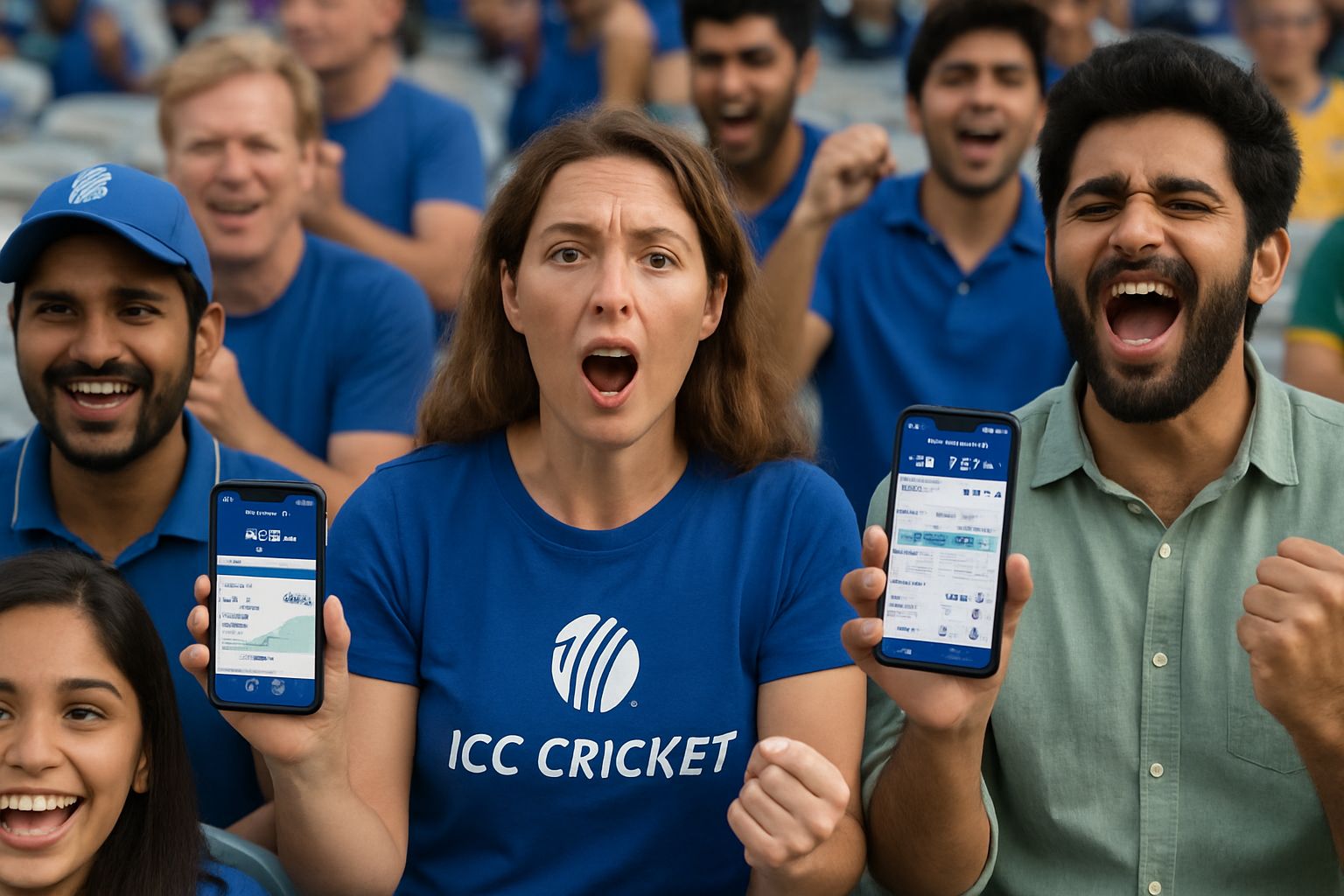
During the January 2026 demo, engineers uploaded a 45-second clip from a women’s T20 semifinal. Subsequently, Gemini identified both batters, the bowler, and the field placement in under five seconds. It then annotated the leg-break delivery, marked swing deviation, and explained why the googly deceived the batter. Additionally, the model summarised momentum shifts using scoreboard data and crowd audio peaks. Google executives emphasised that no manual tagging preceded the analysis. Moreover, Gemini answered natural-language queries like “Who is most likely to bowl the next over?” That multimodal reasoning impressed ICC Cricket commentators already accustomed to sophisticated replay systems. Consequently, broadcasters foresee automated highlight packages produced within moments of each wicket. Yet the demonstration also surfaced accuracy caveats; engineers admitted occasional misclassification of similar bowling actions. These early results still illustrate how AI will soon augment human analysts rather than replace them. Next, we evaluate direct benefits for fans worldwide.
Fan Engagement Innovations Unveiled
Gemini’s personalised insights could democratise a sport often considered technically daunting for novices. For example, casual viewers might request simple explanations of power-play field restrictions mid-match. Meanwhile, hardcore statisticians could query probability swings after each dot ball. Furthermore, automated multilingual captions may broaden access across South Asian diasporas. The ICC plans opt-in highlights that compile every boundary struck by a fan’s favourite player. Moreover, Gemini can voice descriptive audio for visually impaired fans, mirroring accessibility gains seen elsewhere. Data Analytics dashboards could surface comparative shot charts, encouraging deeper tactical appreciation. Consequently, marketers envision new sponsorship placements within these AI-driven assets, unlocking fresh revenue streams.
- Champions Trophy 2025 delivered 250 billion ICC Cricket viewing minutes globally, according to ICC figures.
- Gemini’s IPL sponsorship reportedly costs ₹270 crore over three years, per Economic Times.
- Google states Gemini 3 Pro processes video clips at nearly real-time speeds on cloud GPUs.
Such numbers highlight why ICC Cricket stakeholders prioritise continuous innovation. However, deeper engagement depends on responsible data collection and transparency. Fan-centric tools can scale passion and inclusivity. Nevertheless, they must coexist with stringent rights frameworks, as the next section explores.
Broadcast And Rights Challenges
Live sports rights remain fiercely protected, especially within cricket’s fragmented international ecosystem. In contrast, AI tools typically require frame-level access to every feed segment for training and inference. Therefore, unauthorised copies could breach license agreements and trigger litigation. A recent Scottish ruling barred pubs that repackaged league streams without consent, underscoring enforcement trends. Moreover, ICC Cricket broadcasters will demand human validation because generative systems occasionally hallucinate events. Broadcasters will likely impose editorial oversight layers before public release of AI segments. Privacy advocates also question Gemini Live’s camera feature, which captures ambient stadium data during analysis. Google stresses opt-in controls, yet acknowledges the feature’s experimental status. Consequently, technical safeguards, clear audit logs, and licensing addenda will be mandatory for widespread adoption. These complexities reveal why technology partnerships must pair innovation with robust governance. Next, we examine the financial incentives driving rapid experimentation despite such risks.
Commercial Stakes In Cricket
Cricket’s global audience attracts heavyweight sponsors vying for premium visibility. Gemini’s ₹270 crore IPL deal positions Google among top ICC Cricket advertisers in India’s sporting calendar. Meanwhile, rival ChatGPT signed a Women’s Premier League agreement, signaling an AI sponsorship arms race. Furthermore, embedded analytics unlock new ad formats such as branded highlight widgets and interactive polls. Data Analytics insights help sponsors measure campaign lift more precisely than traditional reach metrics. Consequently, rights holders can justify premium pricing when AI delivers proven engagement increments. However, platform power concentration raises regulatory scrutiny around fair data access and competitive neutrality. BCCI officials have yet to publish contract details, leaving revenue-share structures opaque. These monetary dynamics frame the skills required for professionals entering cricket’s data economy.
Skills And Learning Path
Teams now seek analysts who understand machine learning pipelines and broadcast workflows. Additionally, metadata specialists must translate model outputs into viewer-friendly graphics. Security knowledge also matters because feed tampering risks grow alongside deepfake sophistication. Professionals can enhance their expertise with the AI Ethical Hacker™ certification. Moreover, strong Data Analytics skills remain foundational for hypothesis testing and performance benchmarking. These competencies future-proof careers as AI becomes integral to ICC Cricket production chains. Next, we outline likely milestones on the innovation roadmap.
Future Roadmap To Watch
Stakeholders predict phased ICC Cricket rollouts during the 2026 Men’s T20 World Cup cycle. Initially, expect opt-in highlight cards on ICC digital platforms before full broadcast integration. Subsequently, Gemini could power real-time strategy panels within commentary boxes. Moreover, stadium screens may display bilingual AI insights tailored to regional audiences. Data Analytics feedback loops will refine model accuracy through supervised human review after every match. Regulators might release guidelines defining permissible automated edits to licensed footage. Nevertheless, unforeseen legal challenges could delay certain features, especially in territories with strict copyright regimes. Therefore, collaboration among tech firms, rights owners, and governments will be essential. These projections illustrate both momentum and uncertainty. However, the strategic direction remains clear, as summarised below.
Google’s Gemini partnership signifies a watershed moment for cricket storytelling. Moreover, multimodal AI promises faster insights, personalised recaps, and inclusive access. Broadcasters, rights holders, and regulators must, however, establish robust governance frameworks. Meanwhile, advertisers are already shifting budgets toward interactive highlight inventory. Consequently, professionals who master AI workflows and Data Analytics will command premium roles. Ethical hacking skills will also matter as feed integrity threats escalate. Therefore, enrolling in the previously mentioned AI Ethical Hacker™ certification delivers a strategic advantage. Explore that program today and position yourself at the forefront of cricket’s data revolution.


