

AI CERTS
4 hours ago
Google AI Recipes Crisis Tests Content Integrity Standards
Moreover, experts warn that the economic model supporting independent food media is buckling. Meanwhile, infrastructure providers and policy advocates are scrambling to restore balance and accountability. This article unpacks the timeline, stakes, and emerging fixes behind the unfolding recipe search crisis. It explains why bloggers call the moment existential and how new tools may change the calculus. Finally, readers will learn practical steps to safeguard their own operations and uphold professional standards.
AI Summaries Disrupt Traffic
Google broadened AI Overviews in May 2024, placing synthetic answers atop millions of queries. Therefore, click-through rates fell sharply wherever the feature appeared, according to Similarweb studies. By May 2025 zero-click behavior reached roughly 69 percent, versus 56 percent one year earlier. In contrast, queries without an Overview showed far lower abandonment. Analysts link the widening gap directly to lapses in Content Integrity and transparency. Publishers complain that Google cites sources but offers little incentive to visit them. Consequently, referral pipelines that once sustained thousands of niche sites now leak value at the top.
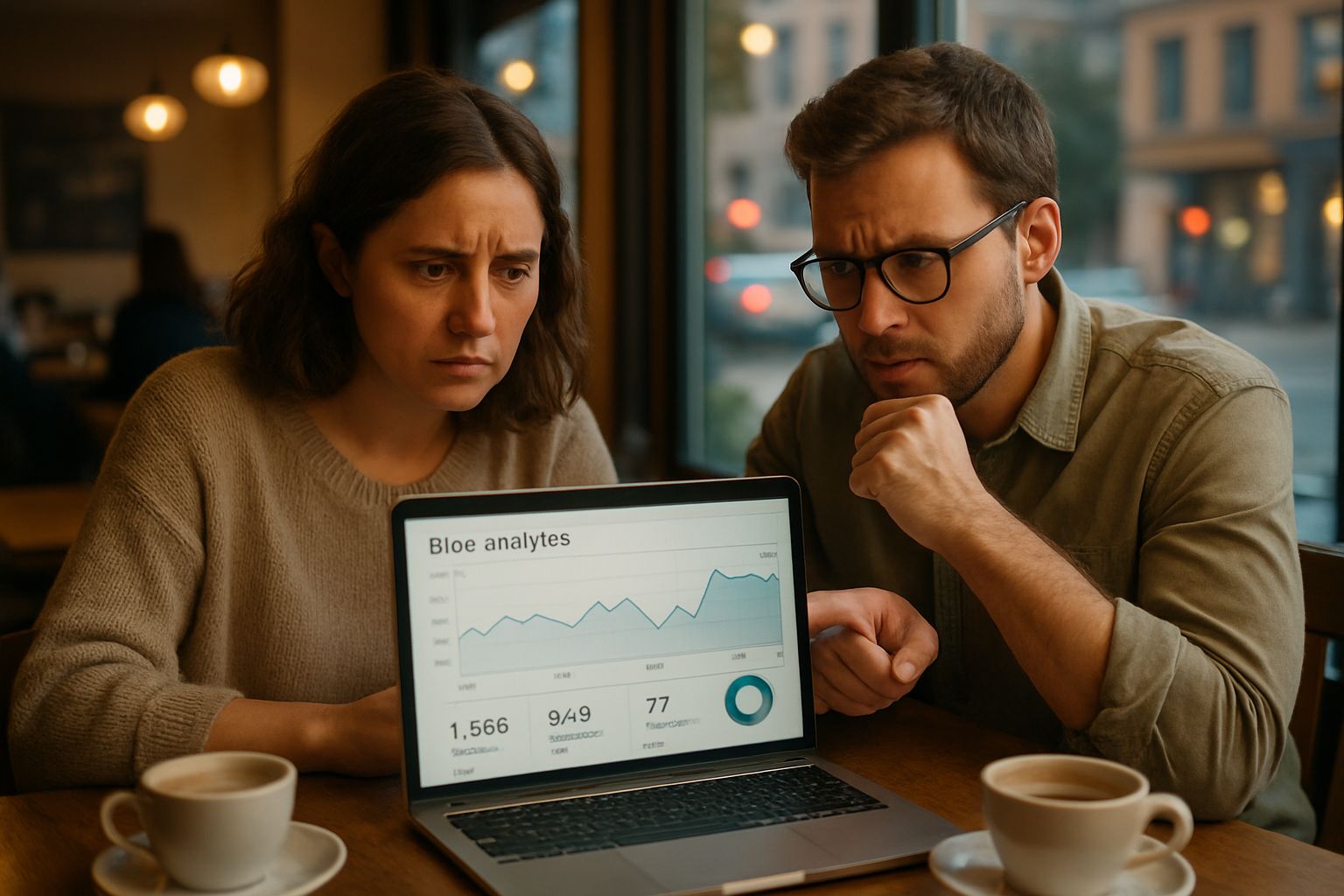
Traffic erosion underscores the structural threat facing the open web. However, the numbers alone do not capture human costs, which the next section explores.
Zero-Click Search Traffic Surge
Food blogs rely on search visibility more than many verticals because cooking queries are evergreen. Nevertheless, AI Mode launched in March 2025 intensified zero-click dynamics for cooking instructions. Semrush trackers recorded AI boxes on up to 80 percent of popular dinner searches during tests. Moreover, when Overviews appear, user scrolling drops, limiting banner impressions and affiliate conversions. Lost Revenue reports vary, yet some bloggers estimate declines exceeding 50 percent within months. Jim Delmage of Sip and Feast called the situation an extinction event for ad-dependent publishers. Consequently, creators question whether Google still honors Content Integrity commitments articulated in earlier policy docs.
Mounting financial pressure fuels louder protests and experimentation with alternative income streams. Next, we examine personal stories behind those statistics.
Bloggers Report Severe Losses
Individual narratives bring the macro trends into focus. Karen Tedesco saw holiday traffic stall when AI summaries surfaced her Stuffed Acorn Squash instructions. Additionally, Adam Gallagher noted that prime weekend spikes vanished despite unchanged social promotion. Reported Revenue dips ranged from 30 to 80 percent, depending on niche and seasonality. Creators blame recipe Mangling for alienating loyal readers who once trusted their tested guidance. Moreover, erroneous ingredient ratios generated dangerous kitchen situations, further eroding goodwill.
Safety fears illustrate how weak Attribution magnifies risk. When an AI misquotes a temperature, consumers forget the original author and blame whoever is visible. Therefore, Content Integrity lapses carry reputational damage as well as monetary pain.
These stories humanize abstract metrics. However, technical remedies are emerging to give journalists and chefs new leverage.
Safety Risks And Mangling
AI models often compress multiple Recipes, producing incoherent steps or impossible timelines. In one Guardian example, a cake needed eight hours in a 375-degree oven. Subsequently, readers attempted the method and wasted ingredients. Such Misinformation stems from probabilistic text generation rather than culinary expertise. Furthermore, Google cannot guarantee food safety because instructions lack copyright protection, limiting removal options.
Bloggers argue that proper Attribution with bold warnings could reduce harm. Nevertheless, many overviews bury source links under collapsible menus, weakening corrective feedback loops. Consequently, Content Integrity failures translate into real consumer danger.
Recipe errors highlight that the debate is not only financial. Next, infrastructure changes offer one pragmatic defense.
Infrastructure Shifts Grant Control
Cloudflare intervened on July 1, 2025 with default blocks for recognized AI crawlers. Moreover, the Pay-Per-Crawl beta lets site owners demand payment or deny access altogether. Matthew Prince framed the move as restoring creator autonomy. Meanwhile, bloggers experiment with robots.txt rules, though aggressive scrapers can evade them. Industry analysts say technical gating reinforces Content Integrity by aligning incentives around consent.
- Zero-click rate rose from 56% to 69% between 2024 and 2025.
- AI Overviews drive 80% abandonment on dinner queries during Semrush tests.
- Some blogs lost up to 80% referral traffic after AI Mode expansion.
Consequently, many publishers now adopt Cloudflare’s crawler controls within days of launch. However, critics warn that bad actors will simply rotate user agents.
Professionals can enhance expertise through the AI Learning Development™ certification. Its curriculum covers ethical data use, strengthening organizational defences against AI scraping.
Infrastructure levers cannot fix policy gaps alone. Therefore, legal and regulatory debates intensify next.
Legal And Policy Pressure
Publishers explore litigation, antitrust complaints, and collective licensing frameworks. In contrast, Google ended the Recipe Quick View pilot yet promised continued experimentation. Observers view the rollback as a tactical retreat rather than a philosophical shift. Furthermore, U.S. copyright law deems ingredient lists functional, limiting infringement claims. Consequently, advocacy groups push for compulsory remuneration models similar to news bargaining codes. Attribution requirements also feature prominently in draft proposals, reinforcing Content Integrity expectations.
Nevertheless, negotiations remain slow because stakeholders disagree on valuation metrics and enforcement mechanics. Meanwhile, alternative search engines test opt-in revenue shares to entice content creators.
Policy momentum grows but lacks immediate relief. Next, we outline proactive strategies bloggers can adopt today.
Future Steps For Creators
Diversification emerges as the first imperative. Subscription newsletters, branded courses, and in-person workshops reduce dependence on volatile search algorithms. Additionally, some bloggers bundle premium Recipes into e-books sold directly to loyal audiences. Cloudflare crawler controls provide another layer, though monitoring logs remains essential. Moreover, clear disclaimers about AI Misinformation build reader trust.
Creators should track the nine KPIs below for early warning signals.
- Organic impressions
- Click-through rate
- Session duration
- Recipe keyword rankings
- Affiliate Revenue per visit
- Email subscriber growth
- Attribution accuracy checks
- Crawler access logs
- Audience trust surveys
Consequently, data-driven pivots become possible before irreversible losses. Finally, maintaining visible acknowledgments of original sources reinforces Content Integrity outward and inward.
Professionals who certify in AI governance gain additional credibility when negotiating with platforms. Therefore, consider the earlier AI Learning Development™ program as a strategic career asset.
Proactive adaptation rewards agility and persistent measurement. However, decisive industry-wide collaboration will still be required.
Google’s AI overhaul has reshaped culinary search in just eighteen turbulent months. Consequently, bloggers face falling Revenue, damaged reputations, and unprecedented safety worries. At the heart of every dispute sits Content Integrity, the principle that credit and context must travel together. Moreover, persistent recipe Mangling and viral Misinformation prove that transparency alone is insufficient. Infrastructure controls, legal reforms, and professional certification offer a multi-layered road map forward. Nevertheless, creators must measure, adapt, and advocate to ensure platforms honor Content Integrity long term. Act now by auditing crawler access, diversifying income, and exploring specialized certifications to safeguard your brand. Visit the AI Learning Development™ program today and future-proof your digital publishing career.


