

AI CERTS
3 hours ago
Gloucestershire pilots Police AI automation for interview reports
The trial promises structured summaries from raw audio and video within minutes. Consequently, investigators may spend less time typing and more time chasing leads.
This story matters because Police AI automation challenges legal, ethical, and operational norms inside interview rooms. Moreover, success could ripple across national policing workflows already straining under disclosure deadlines. This article dissects the project’s scope, benefits, risks, and next steps.
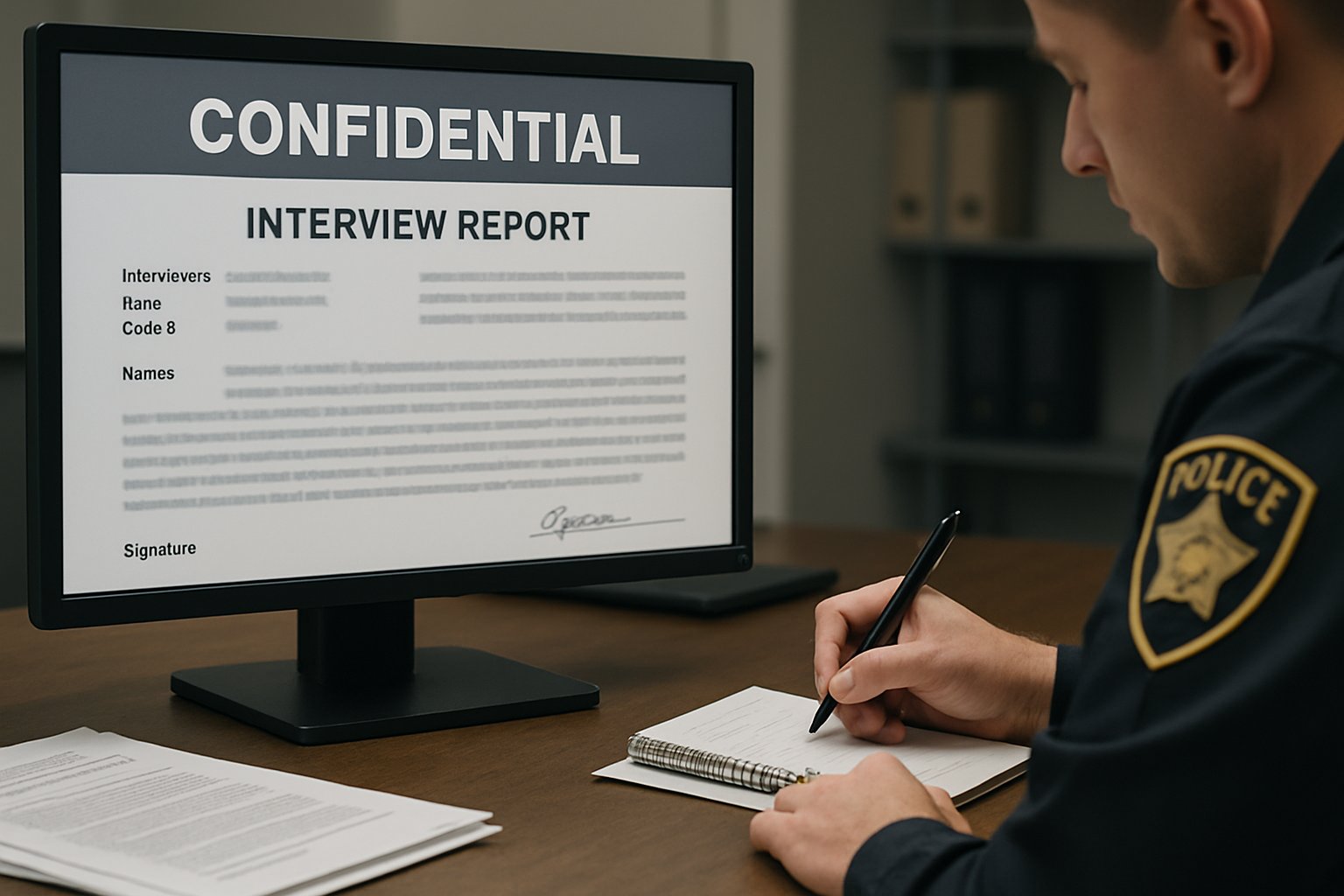
We combine vendor claims, parliamentary research, and academic caution to present an objective view. Additionally, readers receive a clear checklist for evaluating similar deployments elsewhere. By the end, you will know where Police AI automation stands today and what hurdles remain.
Project Scope And Timeline
Defence Holdings frames the Proof-of-Value as a two-phase sprint. Phase 1 focuses on converting raw interview files into structured ROVI and ROTI documents for analyst review. Meanwhile, Phase 2, scheduled for spring 2026, will test evidential-grade accuracy against statutory thresholds.
Microsoft UK is cited as the project instigator, though public confirmation remains pending. Therefore, independent verification of each stakeholder’s role should precede broader roll-outs. Consequently, this pilot offers a live laboratory for Police AI automation under real forensic pressure. If timelines hold, Gloucestershire officers may see pilot results before summer court terms.
- 30 Dec 2025: Collaboration announced.
- January 2026: Data ingestion starts.
- Spring 2026: Evidential accuracy review.
- Summer 2026: Go/no-go decision.
In short, the schedule appears aggressive yet achievable with focused governance. However, understanding existing pain points clarifies why speed matters.
Operational Pain Points Addressed
Interview transcripts drain thousands of officer hours annually across England and Wales. FOI data shows average transcribers complete about five records per week. Furthermore, some forces employ up to 19 specialists simply to keep pace.
Because delays jeopardise disclosure deadlines, chiefs seek faster ROVI production and fewer backlogs. Vendor estimates suggest Police AI automation could reclaim significant investigative time. Moreover, consistent formatting may aid prosecutors who sift hundreds of pages weekly.
- Thames Valley: 60–70 transcripts weekly, 19 transcribers.
- Sussex: 80–100 transcripts weekly, 16.24 FTE.
- Nationwide: five forces piloting automatic transcription in 2025.
These numbers reveal a clear productivity gap. Consequently, accuracy concerns now dominate strategic discussions.
Accuracy And Legal Barriers
PACE Codes E and F dictate how interview recordings become admissible evidence. Therefore, any automated system must match human accuracy while preserving context. Academic studies highlight mis-heard accents, omitted hedges, and distorted pauses in past transcription pilots.
In contrast, Defence Holdings advertises sovereign models trained on law-enforcement acoustics. Nevertheless, the company has not yet disclosed Word Error Rate targets or named-entity benchmarks. Evidential-grade status will require rigorous testing across ROVI and ROTI datasets, plus human review.
ICO guidance also demands a Data Protection Impact Assessment before sensitive processing. Furthermore, CPS prosecutors may reject outputs failing provenance audits. Governance gaps could derail Police AI automation despite technical progress.
Legal compliance therefore stands as the project’s pivotal hurdle. Next, we examine the upside if those hurdles fall.
Potential Benefits For Policing
Time savings headline the vendor pitch, yet other gains emerge. Automated tagging could speed suspect searches across thousands of ROVI files. Additionally, standardised metadata may improve cross-force policing intelligence sharing.
Operational dashboards would offer commanders real-time status on interview backlogs. Consequently, supervisory effort could shift from clerical oversight to strategic deployment. For frontline officers, Police AI automation may remove late-night typing sessions after arrests.
- Faster disclosure packages for CPS review.
- Reduced overtime for interview clerks.
- Consistent ROTI formatting across cases.
- Improved audit trails via digital logs.
Collectively, these gains promise measurable value. However, benefits must outweigh potential harms.
Risks And Governance Steps
History warns against blind trust in algorithms. Wrongful arrests linked to facial recognition illustrate reputational and human costs. Similarly, flawed Police AI automation could shape charging decisions unfairly.
Moreover, experts note that transcription choices influence courtroom perceptions differently than audio. Subsequently, any summarisation errors risk prejudicing juries. Therefore, continuous human oversight remains essential.
Independent Expert Oversight Needed
Academics from the For The Record project urge transparent benchmarks and open datasets. They also recommend publishing WER, named-entity, and summarisation error rates by accent. Gloucestershire Police plans advisory boards, yet detailed membership is unknown.
A robust governance checklist should include DPIA publication, external audits, and appeal processes. Consequently, oversight will define public trust more than code quality.
Strong safeguards therefore anchor sustainable deployment. Finally, we assess broader market implications.
Next Steps And Outlook
Spring 2026 will deliver the first evidential accuracy verdict. If targets are met, Gloucestershire could request production scaling that spans neighbouring forces. Meanwhile, supplier competition is intensifying as cloud providers improve speech models. Industry media already rank the Gloucestershire test among 2026’s defining Police AI automation milestones.
Procurement teams should watch three metrics closely. Firstly, real-world Word Error Rate under custody suite acoustics. Secondly, turnaround time from upload to validated transcript. Thirdly, reviewer effort measured in minutes per page.
Professionals can deepen due-diligence skills through the AI Everyone™ certification. Moreover, that credential supports responsible Police AI automation evaluation across procurement cycles.
Therefore, the coming months will test promises against practice. Stakeholders must prepare for either rapid scale or cautious retrenchment.
Gloucestershire’s experiment sits at the crossroads of efficiency and accountability. If Police AI automation delivers accurate ROVI and ROTI files, pressure on manual transcription teams will ease. Nevertheless, failure could chill future innovations across UK policing. Therefore, transparent metrics, public reporting, and independent audits are indispensable.
Stakeholders should monitor upcoming Phase 2 results and demand granular data before endorsing nationwide Police AI automation. Meanwhile, professionals can future-proof careers by securing the linked certification and engaging with emerging governance frameworks.


