

AI CERTs
6 hours ago
Generative Media Synthesizers Transform Influencer Marketing
Virtual humans now speak dozens of languages, never age, and post hourly. Consequently, marketers see a fresh path to global reach without studio overhead. At the core lie Generative Media Synthesizers, powerful AI stacks that convert scripts into photoreal assets. However, scaled automation raises questions about trust, ethics, and regulation. This article unpacks the technology, market momentum, and policy landscape shaping synthetic influence. Moreover, we highlight opportunities and pitfalls for brands pursuing always-on storytelling. Industry professionals will also find guidance on compliant deployment and career upskilling. Before embracing the workflow, readers must grasp its rapid evolution. Meanwhile, vendors like HeyGen and Synthesia promise thousands of localized videos in minutes. Regulators notice, and the FTC now treats virtual avatars like any human endorser. In contrast, audiences debate authenticity when paid personalities turn out to be code. The stakes are high, yet the upside attracts investment across media, retail, and enterprise training. Smart Content Creation pipelines now rival traditional studios on polish.
Tech Advances Fuel Scale
Diffusion, transformer, and vocal models now merge inside streamlined toolkits. Furthermore, single-photo avatar workflows let creators craft lifelike spokespeople in minutes. Generative Media Synthesizers drive this fusion by orchestrating image, video, and voice engines through simple prompts. HeyGen’s Avatar-IV shows multilingual lip-sync and body motion generated from text alone. Moreover, ElevenLabs replicates vocal timbre so digital twins retain familiar tones. Consequently, production timetables shrink from days to hours, enabling near real-time iteration.
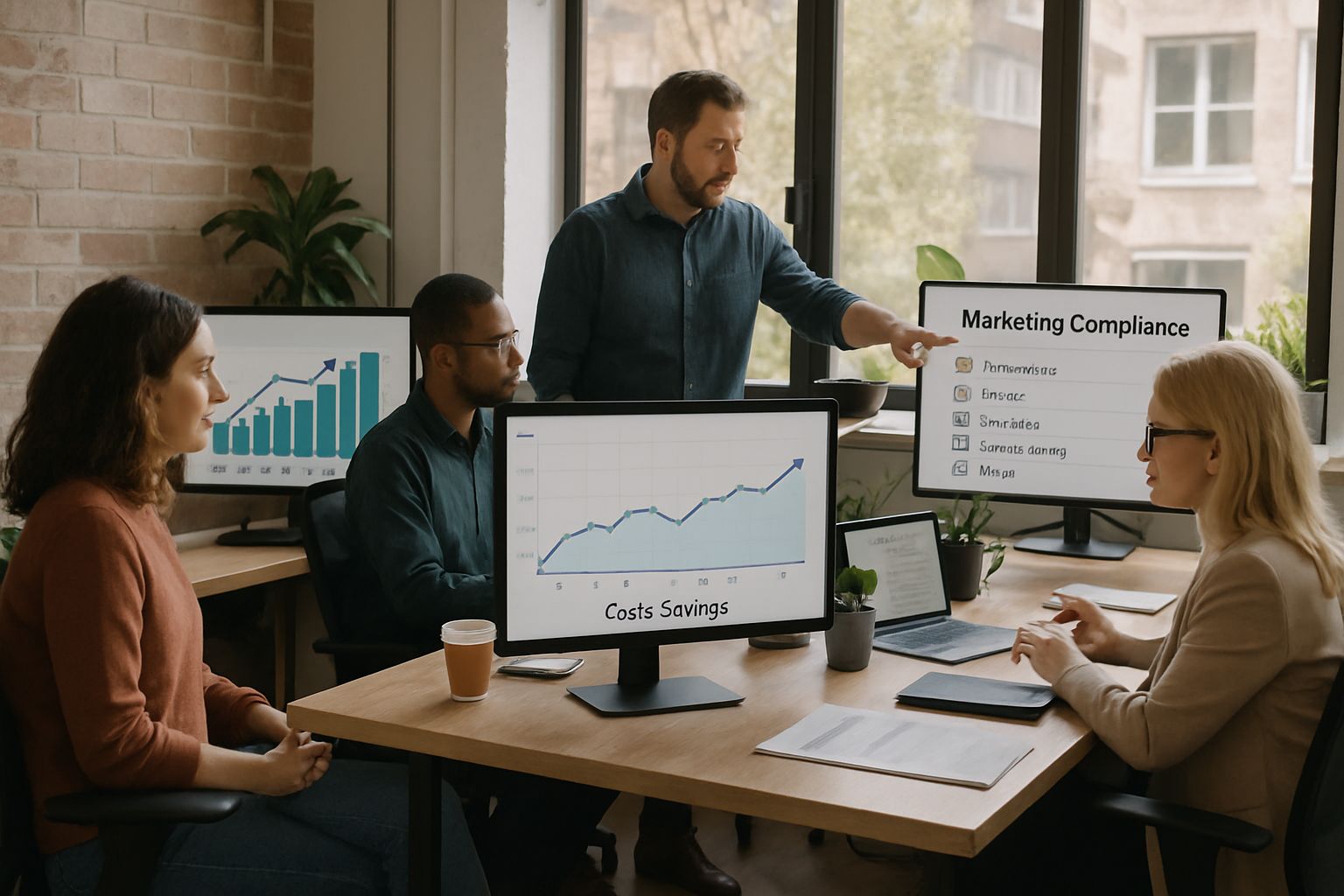
In short, the technical stack has matured rapidly. Quality now rivals mid-tier studio output at fractional cost. Next, we examine market signals validating this shift.
Market Adoption Signals Surge
Adoption data confirms the buzz. Deloitte surveys show most marketers experimenting with AI video and voice cloning. Moreover, 70% of marketing teams plan higher spending on GenAI creator assets in 2024, according to Agility PR Solutions. Market.us estimates the synthetic influencer market at $6.2B today and $171.5B by 2034. Consequently, investors channel capital into avatar platforms, voice startups, and orchestration layers.
- Time to localize 10 videos: 30 minutes vs. three days (HeyGen case study)
- Localization cost savings: up to 80% versus traditional shoots
- Engagement lift: vendors report double digit increases in click-through rates
These figures are vendor supplied, yet they illustrate operational momentum. Nevertheless, sample size bias warrants independent verification. Early metrics demonstrate compelling efficiency gains for both brands and solo creators. Investors and marketers appear ready to bet big on scalable influence. Attention now turns to how creators integrate such tools daily.
Influencer Workflow Automation Rise
Individual creators increasingly wire LLMs, avatar video, and voice cloning into autopilot pipelines. For example, LinkedIn tutorials show a single person posting four languages per day without cameras. Generative Media Synthesizers anchor these stacks, handling rendering and lip-sync while agents handle scheduling. Furthermore, the workflow supports rapid A/B testing across scripts, hooks, and backgrounds. Influencer Collaborations also shift, as teams exchange prompts rather than raw footage. Consequently, creative cycles shorten, and audience segmentation becomes programmatic.
However, creators must still disclose sponsored intent and synthetic nature per FTC guidance. Failure risks demonetization or legal action. Automation empowers consistent output without burnout. Yet, compliance discipline remains non-negotiable. Opportunities for brands emerge when they align strategy with these realities.
Opportunities For Brand Teams
Brands crave multilingual reach, controlled messaging, and budget efficiency. Generative Media Synthesizers deliver all three by generating dozens of localized variants from one master script. Moreover, Influencer Collaborations can be simulated, letting micro-segments see tailored avatars that reflect local culture. Content Creation teams then iterate copy, color, or call-outs without new shoots. Therefore, campaigns move from quarterly drops to always-on storytelling.
- Precise brand voice control across every asset
- Instant reuse of legacy copy in new languages
- Data-driven creative testing at minimal cost
Generative Media Synthesizers also unlock internal training videos, reducing spokesperson fatigue. Professionals can enhance their expertise with the AI+ UX Designer™ certification. Consequently, teams gain technical fluency while advancing career prospects. Scalable personalization and cost reduction define the upside. Next, we dissect the associated risk matrix.
Risk Landscape And Regulation
Every advantage carries proportional risk. Wired investigations reveal stolen likenesses fueling exploitative "AI pimping" networks. Meanwhile, FTC data shows $2.95B lost to impersonation scams in 2024. Generative Media Synthesizers can enable such fraud if safeguards lapse. In contrast, legitimate users must meet strict disclosure rules. The FTC Endorsement Guides demand clear, conspicuous labels whenever avatars promote products.
Additionally, platforms like TikTok reserve the right to demonetize undisclosed synthetic clips. Consequently, hidden sponsorships invite bans and revenue loss. Reputation, legal exposure, and platform access remain at stake. Yet, structured governance can tame these threats. Implementation strategy therefore becomes critical.
Strategic Implementation Steps
Enterprise teams should begin with a risk-benefit workshop. Next, map use cases against disclosure and platform policy requirements. Generative Media Synthesizers belong in that matrix, weighted for scale and oversight. Moreover, choose vendors that provide watermarking, consent logs, and security audits. Influencer Collaborations must include contractual clauses covering voice and likeness rights. Content Creation guidelines should specify prompt libraries, review checkpoints, and publication approval flows.
Subsequently, pilot limited campaigns and A/B test human versus synthetic performance. Collect engagement, cost, and sentiment data before broad rollout. Methodical pilots surface hidden issues early. Continuous measurement sustains trust and compliance at scale. We close with future outlook and action items.
Conclusion And Future Outlook
Generative Media Synthesizers have shifted influencer economics from scarce talent to abundant automation. Market momentum, creator workflows, and enterprise interest signal lasting change. Influencer Collaborations will evolve toward mixed reality teams blending humans and AI hosts. Nevertheless, authenticity and regulation will define sustainable winners. Brands that combine transparent governance with creative boldness will thrive. Meanwhile, professionals who master Content Creation with AI gain strategic advantage. Therefore, now is the time to experiment responsibly, measure rigorously, and upskill continuously. Generative Media Synthesizers promise growth, yet disciplined adoption ensures durable value. Responsible use of Generative Media Synthesizers can also rebuild audience trust eroded by low-quality clones. Explore emerging career paths and deepen expertise through the linked AI+ UX Designer™ certification today.


