

AI CERTs
2 hours ago
Free Speech at Risk: AI Labels Mute Satire
California's new deepfake laws have ignited a fierce debate over Free Speech online. Platforms worldwide now rush to tag AI content, promising transparency yet risking accidental gag orders on humor. Satirists warn that bold red labels kill timing, context, and ultimately the joke itself. Meanwhile, legislators insist voters deserve clear signals when images or voices are synthetic. This tug-of-war spans courts, corporate boardrooms, and living rooms scrolling doom-laden timelines. Consequently, understanding the roots, risks, and remedies has become essential for policymakers and creators alike. The following analysis traces the policy arc, technological gaps, and potential compromises shaping tomorrow's content landscape. Moreover, it highlights why balanced governance can protect creativity without sacrificing electoral integrity. Free Speech principles stand at the center of this struggle, demanding nuanced solutions.
Labeling Trend Rapidly Escalates
YouTube, Meta, X, and TikTok each unveiled fresh AI disclosure rules during the last two years. Furthermore, California's 2024 package requires platforms to label or remove materially deceptive deepfakes within tight windows. Failure brings potential fines and damaging headlines.
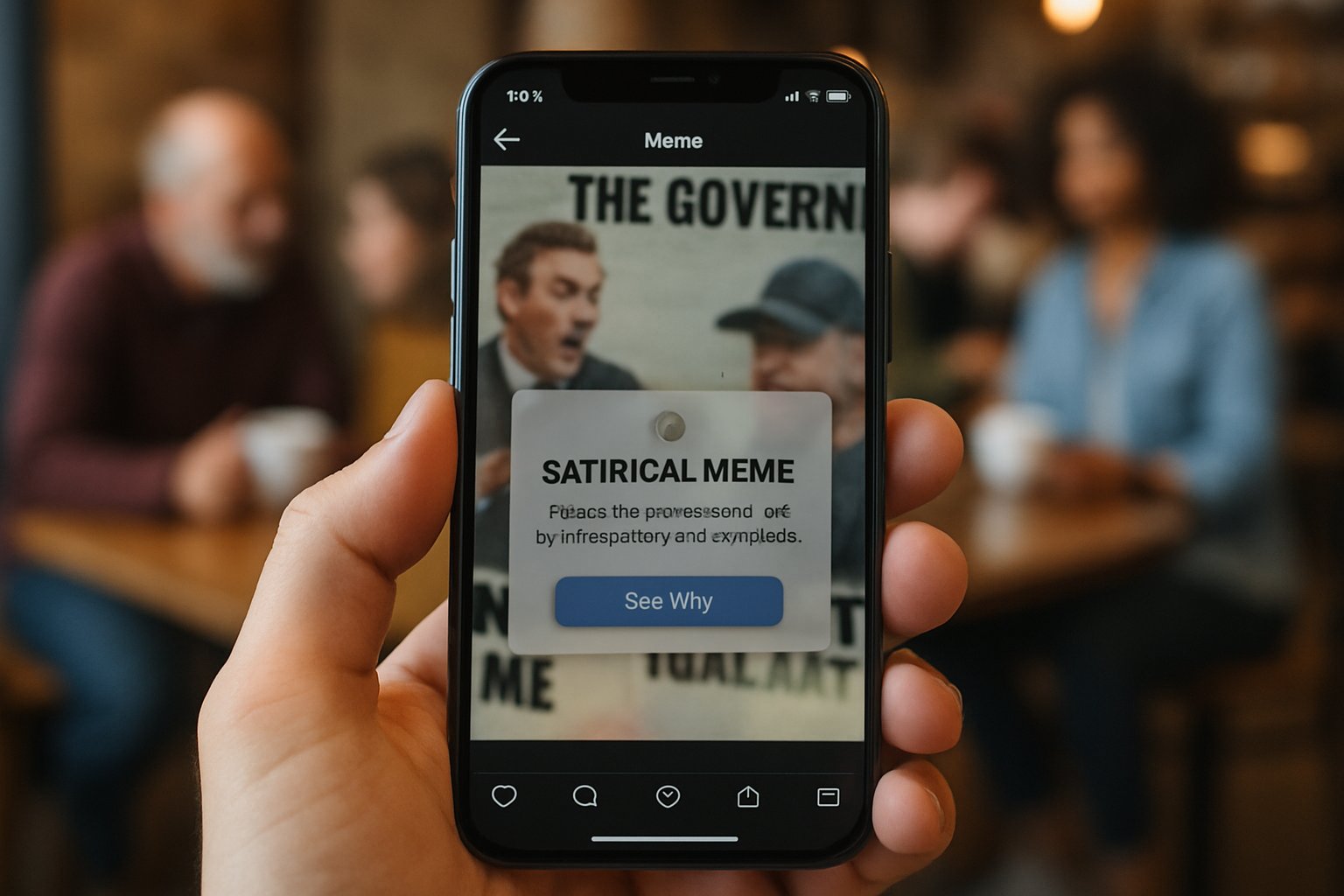
Platforms initially favored blanket removals. In contrast, public blowback pushed companies toward lighter labels instead of outright deletions. Consequently, labeling volume has exploded, yet consistency remains elusive.
Audits by researchers show only one third of synthetic posts carry correct identifiers. Moreover, many uploads lose embedded Content Credentials once shared across services. This technical gap fuels confusion for journalists and voters alike.
Label requirements are proliferating faster than enforcement quality improves. Implementation gaps now threaten clarity promised by regulators. Satirists feel those gaps most acutely, leading to new legal battles.
Satire Faces Legal Hurdles
The Babylon Bee and other humor outlets sued California days after Governor Newsom signed AB-2655. They argue compelled disclaimers violate core political expression protected under Free Speech jurisprudence. Additionally, plaintiffs label the statute's "materially deceptive" test unconstitutionally vague.
Federal judges agreed in October 2024, issuing preliminary injunctions blocking enforcement while litigation proceeds. Nevertheless, the court highlighted legitimate state interests in election integrity despite halting penalties. Subsequently, lawmakers promised narrower amendments, yet no bill has advanced.
Satirists warn that forced watermarks or loud visual stamps destroy comedic timing and plausibility. Moreover, parody accounts on X report sporadic "parody" labels applied without prior notice. These anecdotes echo wider concerns about subjective policy interpretations.
Court orders paused the toughest rules, but uncertainty lingers. Satire creators remain cautious while monitoring future amendments. Underlying moderation engines compound their worries, especially when algorithms misfire.
Algorithms Fuel Over-moderation Risks
Most platforms rely on machine-learning filters that flag potentially synthetic imagery before human review. However, such algorithms still confuse satire with harmful deception, triggering automatic demotions or removals. ISD audits found two thirds of satirical deepfakes mislabeled across major networks.
Over-moderation escalates when election keywords appear because risk models raise internal confidence scores. Consequently, harmless parody can vanish while dubious propaganda slips through less stringent thresholds. Developers tweak weighting systems weekly, yet accuracy plateaus around seventy percent according to internal leaks.
Moreover, black-box scoring obscures appeal rights, leaving creators baffled about rejected uploads. Transparency dashboards rarely disclose rule sets, citing adversarial gaming risks. Therefore, distrust grows between user communities and trust-and-safety teams.
Algorithmic opacity fuels Over-moderation and erodes confidence in labeling fairness. Creators cannot predict which jokes get flagged. Public frustration then spills into discussions about broader democratic health.
Democracy And Public Trust
Surveys by AP-NORC show fifty eight percent of Americans expect AI to worsen election misinformation. Meanwhile, Talkdesk polling reports fifty five percent fear deepfakes could sway November ballots. Such anxiety pressures lawmakers to act quickly, sometimes overlooking artistic nuance.
- 55% fear AI could sway elections (Talkdesk, 2024).
- 58% expect more misinformation from AI (AP-NORC, 2024).
- 72% find AI content hard to spot (McAfee, 2024).
In contrast, an April 2025 experiment found AI labels failed to reduce persuasive impact. Therefore, transparency alone may not secure Democracy against sophisticated manipulation. Voters still rely on critical thinking and diversified news diets.
Moreover, inconsistent provenance undermines voter confidence when identical videos appear with different badges on each platform. Consequently, scholars urge harmonized standards and robust civic education. Free Speech advocates agree, warning rushed fixes can damage open dialogue.
Public trust remains fragile despite expanded labeling efforts. Protecting Democracy requires both technical and educational strategies. Technical solutions deserve closer scrutiny, especially provenance metadata.
Provenance Tech Still Falters
Adobe and TikTok endorse C2PA Content Credentials to cryptographically seal media history. However, Washington Post tests showed several platforms stripping that metadata on upload. As a result, consumers rarely see authenticity icons promised by vendors.
Moreover, partial adoption fragments the ecosystem, giving malicious actors cover in less compliant corners. Developers tout upcoming browser plugins, yet mainstream uptake remains uncertain. Consequently, provenance cannot yet substitute for nuanced human moderation.
Nonetheless, proactive creators already attach credentials to defend their reputations. Professionals can enhance their expertise with the AI Writer™ certification. Such training demystifies technical standards and empowers compliance.
Provenance solutions hold promise but suffer uneven deployment. Until coverage improves, stakeholders need supplemental safeguards. Those safeguards must still respect Free Speech boundaries.
Balancing Transparency And Free Speech
Policymakers now pursue middle paths that label high-risk deepfakes while exempting obvious comedy. For instance, Meta moved from removals to broader "Made with AI" badges after Oversight Board feedback. Moreover, the company clarified that brief pre-roll disclosures may satisfy transparency without ruining punchlines.
Legal scholars suggest tiered disclaimer sizes based on context rather than one-size mandates. Furthermore, sunset clauses could force legislators to revisit impact data before extending new regimes. Such adaptive statutes protect Free Speech while addressing evolving threats.
Industry coalitions also draft best practices aligning technical signals with contextual human review. Consequently, creators gain clearer expectations and predictable remedies. In contrast, rigid rules could freeze parody innovation.
Multi-layered approaches promise balance between authenticity and comic freedom. Stakeholders must iterate policies as evidence emerges. Next, pragmatic guidance can help creators navigate this maze.
Actionable Steps For Creators
First, read each platform’s AI disclosure policy before uploading realistic parody. Secondly, attach C2PA credentials when available to document your workflow. However, also keep unedited source files in case automated appeals require proof.
Maintain a brief explainer in video descriptions clarifying satirical intent for confused viewers. Moreover, monitor analytic dashboards for surprise reach drops indicating hidden demotions. File disputes promptly, referencing Free Speech protections where relevant.
Finally, network with legal clinics familiar with Over-moderation disputes. Consequently, you secure rapid counsel if takedowns threaten livelihood. Professionals building editorial careers should again consider the AI Writer™ path for credibility.
Prepared creators minimize disruption and preserve artistic voice. Simple habits dramatically cut accidental policy clashes. These habits reinforce resilience as the legal dust settles.
AI labels will keep evolving as elections approach and deepfake tools mature. However, stakeholders can still craft systems that protect voters without crushing satire. Courts already signal that Free Speech cannot become collateral damage in technical policy wars. Moreover, layered approaches combining provenance, context, and measured human review offer realistic balance. Therefore, creators should stay informed, document processes, and pursue certification paths that strengthen credibility. Free Speech will endure if industry, government, and civil society iterate transparently and admit missteps. Act now: review your labeling settings and explore certified training to thrive in this shifting environment.


