

AI CERTS
3 hours ago
Florida AI Bill stalls amid House resistance
Observers note that Florida often sets trends for other conservative states. Therefore, the fate of the Florida AI Bill carries national significance. Policymakers, lobbyists, and technologists closely watch the impasse for clues about future battles. Moreover, the standstill reveals key tensions inside the Republican Party. Gov. DeSantis favors robust state oversight, while Speaker Daniel Perez aligns with the Trump White House’s federal-first approach. Stakeholders now weigh legal risks, political optics, and timing as the clock ticks toward adjournment.
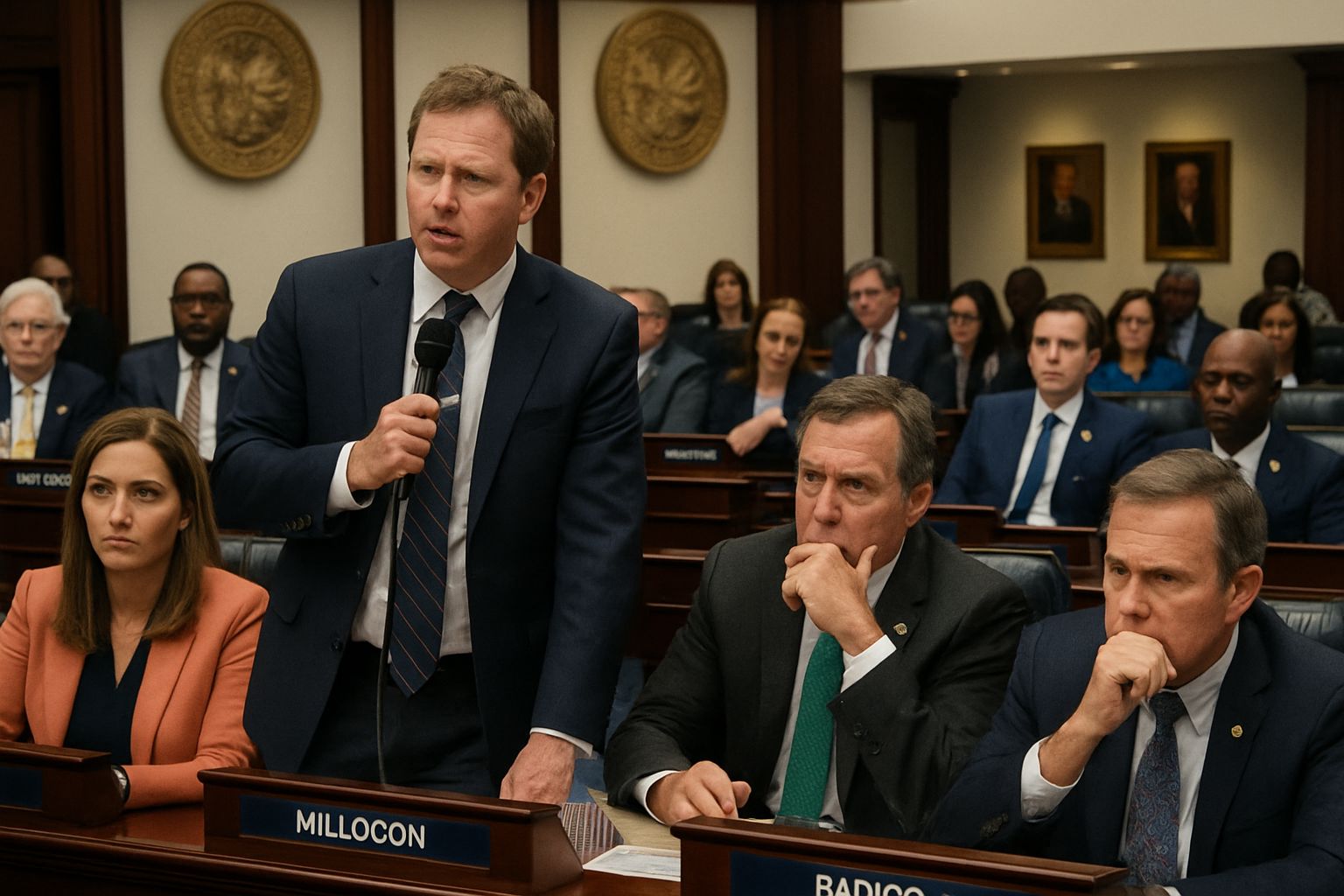
Senate Advances Florida AI Bill
March began with a decisive 35–2 Senate vote. Proponents framed the Florida AI Bill as a digital Bill of Rights for residents. Sen. Tom Leek highlighted urgent Child Protections against manipulative companion chatbots. Additionally, the proposal barred state contracts with AI firms tied to restricted foreign countries. Backers argued that swift state action would fill regulatory gaps while Washington deliberates. In contrast, critics predicted costly compliance burdens for startups.
These arguments swayed most senators, yet the House remained unconvinced. Speaker Perez cited the December 2025 Trump executive order promoting federal uniformity. Consequently, he announced no floor debate this term. The Senate victory therefore became a symbolic milestone rather than a legislative endpoint.
Lawmakers now confront dwindling calendar days. Nevertheless, they could still call a special session or refile next year. These possibilities keep lobbyists engaged. However, most analysts assign low odds to short-term resurrection.
The upper-chamber passage showcased bipartisan concern for AI governance. Yet the House freeze underscores intraparty divides. Consequently, Floridians lack the promised protections for now.
Senate momentum proved strong but insufficient. However, the next section explains how the House blockade materialized.
House Blocks Floor Vote
Speaker Perez controls the Rules Committee agenda. Therefore, he effectively vetoed movement without casting a formal vote. He argued that overlapping state and federal mandates would confuse businesses. Moreover, recent court challenges to Florida social-media laws made leaders wary of additional litigation. Industry allies amplified these warnings through coordinated letters and briefings.
Meanwhile, Gov. DeSantis urged lawmakers to press ahead. He described an “age of darkness and deceit” if AI remains unchecked. Nevertheless, House leaders held firm. Consequently, companion HB 1395 missed committee deadlines and died procedurally.
This standstill highlights the power of legislative gatekeepers. Furthermore, it shows how executive enthusiasm cannot always override chamber autonomy. The deadlock also signals that federal preemption fears carry real weight in Tallahassee.
House resistance froze the proposal for 2026. However, understanding the underlying text remains essential, as the next section details.
Key Provisions And Penalties
The Florida AI Bill packed an ambitious suite of rules. Drafters borrowed language from consumer-privacy statutes and child-safety laws. Consequently, enforcement sections featured steep fines and cure periods.
- Notice rights when users interact with generative systems
- Parental dashboards for minors’ chatbot sessions
- Mandatory alerts if minors express self-harm intentions
- Civil penalties up to $50,000 per violation
- Contract bans on vendors linked to listed foreign adversaries
Additionally, minors harmed by reckless chatbot design could seek $10,000 in damages. Moreover, operators enjoyed a 45-day window to remedy first offenses. Supporters argued these measures balanced innovation with accountability. Critics countered that ambiguous definitions might trap benign tools.
These expansive duties formed the heart of the proposal. However, skeptics focused on one headline area, the strict Child Protections, explored next.
Strict Child Protections Explained
Companion chatbots simulate relationships through constant dialogue. Consequently, lawmakers feared emotional manipulation of teenagers. The Florida AI Bill therefore required parental consent before minors created accounts. Furthermore, platforms had to prevent sexual content and grant parents read-only transcript access. Notifications would trigger if a user mentioned self-harm.
Proponents said these Child Protections mirrored existing video-game age gates. In contrast, industry groups warned that monitoring private conversations could chill speech and invite liability. Nevertheless, child-safety advocates praised the guardrails as overdue.
The protective language became a rallying cry for supporters. Yet it also intensified business opposition, delaying compromise. These tensions fueled the broader industry pushback described next.
Child safeguards formed a major selling point. However, industry reaction shaped the bill’s political fate, as the following section shows.
Industry Groups Push Back
The Computer & Communications Industry Association led the resistance. Tom Mann warned the Florida AI Bill would create a fragmented patchwork. Moreover, NetChoice circulated memos citing constitutional concerns. Consequently, startup founders flooded lawmakers’ inboxes with cost projections.
Critics emphasized Florida’s history of losing tech litigation. Therefore, they questioned the wisdom of reenacting similar constraints on emerging platforms. Additionally, cloud vendors noted that foreign-ownership screening could exclude many global partners. House members sympathetic to economic development endorsed these arguments.
The tech sector’s united stance complicated negotiations. Nevertheless, some senators suggested creating safe-harbor carve-outs. Talks dissolved once Speaker Perez shut the door on a vote. The pause grants companies time to seek a single federal statute instead.
Industry lobbying proved decisive in halting progress. However, looming federal action also played a critical role, described next.
Federal Preemption Looms Large
President Trump’s December 2025 order directed agencies to challenge onerous state AI laws. Consequently, the Department of Justice assembled a task force to litigate preemption claims. Florida House leaders cited that threat repeatedly. Moreover, they argued that taxpayers should not fund another protracted court defense.
Meanwhile, Congress works on bipartisan AI risk bills. Supporters of the Florida AI Bill counter that waiting could take years. Nevertheless, the specter of swift federal lawsuits chilled momentum in several states. National Conference of State Legislatures data show over 1,000 AI measures introduced in 2025, yet few passed.
Florida’s impasse thus reflects a broader strategic pause. Companies prefer one national rule set, while some governors push local controls. These conflicting impulses will shape upcoming sessions.
Federal uncertainty undercuts state enthusiasm today. However, eyes now turn to potential next steps, covered below.
What Happens Next Session
The 2026 session ends March 13. Absent a surprise reversal, the proposal dies. Gov. DeSantis could call a special session, but leaders deem that unlikely. Instead, observers expect a 2027 refiling. Furthermore, election-year dynamics may influence the contents.
Supporters plan to refine definitions and add flexible compliance paths. Additionally, they will court moderate House Republicans wary of litigation costs. Industry groups will lobby Congress meanwhile. Consequently, Florida could revisit the debate with clearer federal signals in hand.
Professionals tracking AI regulation should prepare. Therefore, gaining credentials like the AI Foundation certification can bolster policy fluency. Such knowledge helps teams anticipate duties under future Child Protections or transparency clauses.
The measure appears dead for 2026. Nevertheless, stakeholders gear up for renewed battles next year.
These projections close the legislative narrative. However, a brief conclusion now summarizes main insights.
Conclusion
Florida’s bold attempt to craft an AI Bill of Rights captured national attention. However, the House blockade underscores the power of procedural control. Industry opposition and federal preemption worries further chilled momentum. Consequently, families and startups alike face continued uncertainty. Nevertheless, dialogue about Child Protections, foreign vendor bans, and innovation costs will intensify. Policymakers, developers, and advocates should monitor Washington while preparing for a 2027 replay. Professionals seeking an edge should pursue advanced learning and stay engaged. Explore certifications and stay ahead of the next policy wave.


