

AI CERTS
2 hours ago
Fitbit AI coach public beta transforms wearable wellness
However, the feature is not merely a chat interface. The system parses sensor data, recovery metrics, and sleep patterns to draft multi-week plans. Moreover, users can request spontaneous workouts and receive explanatory insights within seconds. Early testers call the experience ambitious, yet limitations and safeguards remain front and center.
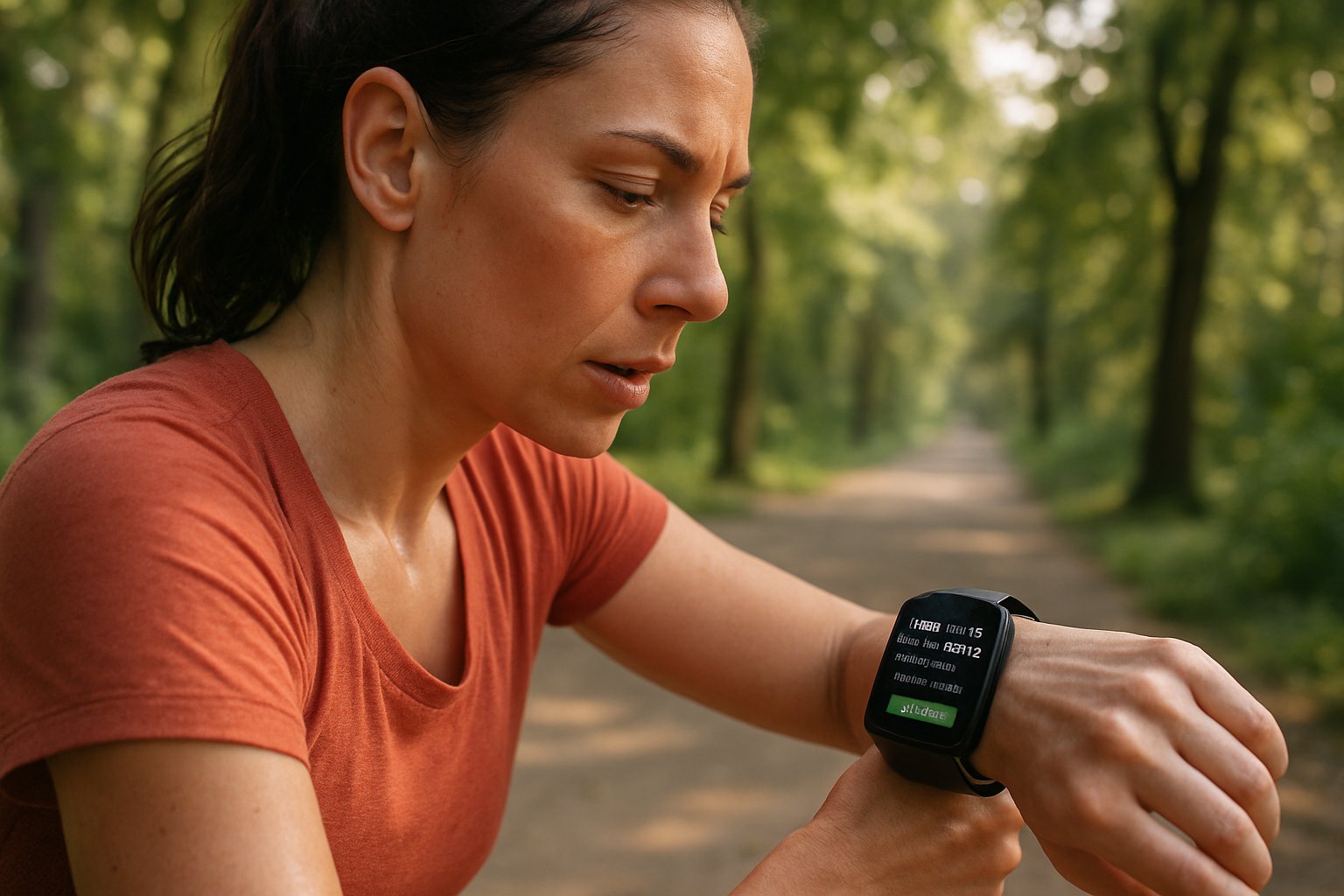
Industry observers therefore view the launch as a pivotal experiment in consumer health AI. Wearable makers previously teased similar services, yet none match Google’s data scale or large language model infrastructure. Nevertheless, privacy questions, regulatory ambiguity, and commercial access conditions could shape adoption in the months ahead.
Timeline And Rollout Details
Google first previewed the Fitbit AI coach during its August 2025 Made by Google event. Subsequently, the company promised a public beta in October, and it delivered on 28 October 2025. Eligible Fitbit Premium subscribers on Android in the United States can now opt in through a simple toggle. iOS support will follow next year alongside upgraded Pixel Watch hardware.
Earlier experiments mattered. Between 2024 and early 2025, Fitbit Labs ran invite-only Insight Explorer studies that shaped the current design. Consequently, Google had months of annotated user sessions before opening doors wider. Those iterations improved language grounding, according to company research.
Key Dates Recap List
- 20 Aug 2025: Gemini coach previewed at Made by Google.
- 28 Oct 2025: Public beta begins for Premium Android users of the Fitbit AI coach.
- 2026: Planned full rollout to iOS and new devices.
These milestones illustrate Google’s deliberate pacing. However, questions remain about preview capacity and regional expansion plans. Timely delivery demonstrates momentum. Nevertheless, features matter more than dates, so the next section dissects capabilities.
Core Features Explained Clearly
The heart of the beta is a five-minute onboarding chat that captures goals, injuries, and scheduling constraints. Thereafter, the Fitbit AI coach drafts a multi-week action plan covering movement, recovery, and sleep. Furthermore, the assistant revises that plan daily using live sensor data such as heart-rate variability. Cardio fitness progression and mobility drills form the backbone for many recommendations.
An "Ask Coach" prompt sits across the app. Users might request a 30-minute hotel room routine or inquire why resting heart rate spiked. Additionally, the system saves dialogue context in coach notes, enabling follow-up without repetition.
Integration is broad. The service ingests readings from Pixel Watches, Inspire trackers, and even third-party weight scales via Health Connect. Consequently, athletes see holistic feedback, while beginners receive manageable starting routines.
Notable Features Snapshot Today
- Adaptive plans updated using sleep, readiness, and heart metrics.
- Conversational explanations of historical trends with plain-language comparisons.
- Custom workouts generated for location, equipment, and time constraints.
- Safety guardrails that redirect medical questions to professionals.
Collectively, these tools aim to turn passive data into active decisions. Therefore, technical underpinnings warrant closer review.
Technology Behind Coach Design
Google Research frames the experience as a Personal Health Agent powered by Gemini. Unlike a single large model, three specialized agents handle data science, domain expertise, and conversational coaching. Moreover, the Fitbit AI coach orchestrates those agents to deliver grounded responses.
Validation numbers are impressive. Google cites more than 100,000 human annotation hours assessing safety, helpfulness, and personalization. In contrast, earlier prototype studies involved roughly 1,100 hours and 7,000 labels.
Professionals can enhance their expertise with the AI Data certification. Consequently, they will better grasp multi-agent orchestration principles adopted within this service.
These architecture choices underpin reliability. Nevertheless, user outcomes depend on practical benefits and acknowledged limits.
Benefits And Limits Overview
The strongest benefit is actionable insight delivered in conversational form. Previously, graphs required manual interpretation; now recommendations arrive directly. Furthermore, plans adjust automatically when sleep debt rises or an injury restricts activity.
Users report the Fitbit AI coach feels more supportive than static workout cards. Nevertheless, limitations persist. Reviewers noticed occasional hallucinations, such as mismatched calorie estimates. Google therefore built safety rails that politely suggest consulting clinicians for complex issues.
Major Pros Summarized Quickly
- Real-time coaching adaptation improves engagement.
- Multi-modal data fusion boosts personalization accuracy.
- Grounding research reduces dangerous hallucinations.
Key Cons Still Present
- Limited availability restricts equitable access during beta.
- Potential privacy concerns over sensitive biometrics in cloud.
- Lack of nutrition and cycle tracking at launch.
Balancing upside against risk remains crucial. Accordingly, privacy and regulatory factors deserve separate discussion.
Privacy And Regulation Focus
Google states that Fitbit data are never used for advertising. Additionally, the company established an external Consumer Health Advisory Panel to review safety. However, policy analysts argue internal validation cannot replace independent oversight.
Regulators have yet to classify such conversational wellness tools. Consequently, liability remains ambiguous when erroneous advice harms users. In contrast, traditional medical devices face cleared pathways, so experts expect forthcoming guidance.
Critics also question data retention periods for conversation transcripts. Google says deletion tools exist, yet technical details remain sparse. Therefore, deeper transparency requests will likely intensify.
Compliance clarity will influence trust. Meanwhile, competitive pressures continue building across the wider wearable sector.
Competitive Market Landscape View
Rivals such as Oura, WHOOP, and Samsung tout emerging AI advisors. However, none currently offer a comparable multimodal agent integrated with Google’s data ecosystem. Consequently, analysts frame the Fitbit AI coach as a strategic hedge against platform churn.
Price remains another battleground. Fitbit Premium costs around ten dollars monthly; alternative services bundle similar coaching for varied fees. In contrast, WHOOP demands higher subscriptions yet includes hardware within pricing.
Ultimately, differentiation may hinge on reliable outcomes, privacy assurances, and ecosystem convenience. Therefore, Google’s forthcoming expansion to iOS and employer programs could shift market share.
Competitive dynamics remain fluid. Joining the public beta offers the best vantage point for hands-on comparison.
Joining The Public Beta
Interested users should open the latest Fitbit app and navigate to the You tab. Subsequently, eligible Premium members will see a banner inviting them to test the Fitbit AI coach. A waitlist may appear when capacity peaks, yet Google updates slots weekly.
Opt-out remains simple. Users can revert to the classic interface anytime through account settings. Therefore, experimentation carries minimal commitment.
Early participation feeds valuable feedback to engineers. Consequently, public reviewers shape the roadmap toward next year’s broader release.
The public preview underscores Google’s ambition to fuse large models with everyday movement tracking. Over the coming months, feedback will refine algorithms, expand safeguards, and finalize missing features. Meanwhile, enterprises watch closely because scalable coaching could reduce wellness program costs. Nevertheless, privacy clarity and regulatory guidance must emerge before global expansion. Professionals interested in data-driven wellness should monitor updates or join early testing. Digital fitness guidance will likely integrate with employer benefits and insurance incentives. Ultimately, the Fitbit AI coach illustrates how nuanced AI can guide healthier habits when built responsibly. Try the beta, study the architecture, and consider upskilling through recognized certifications for future-ready careers.


