

AI CERTS
2 hours ago
FF Gains Robotics Regulatory Approval Milestone
Humanoid Market Momentum Builds
Grand View Research values the 2024 humanoid market at USD 1.55 billion. Moreover, its forecast shows USD 4.04 billion by 2030, reflecting 17.5% CAGR. Consequently, vendors scramble to capture early share with factory, logistics, and retail pilots.
FF now positions its EAI platform inside that surge. Additionally, Boston Dynamics, Tesla, Figure, and Agility Robotics target similar niches. In contrast, many prototypes remain laboratory curiosities.
These figures highlight looming demand. Nevertheless, commercial readiness demands regulatory clarity and field safety.
This growth context sets the stage for FF’s claim. Subsequently, readers can examine how it compares with peers.
FF EAI Milestone Details
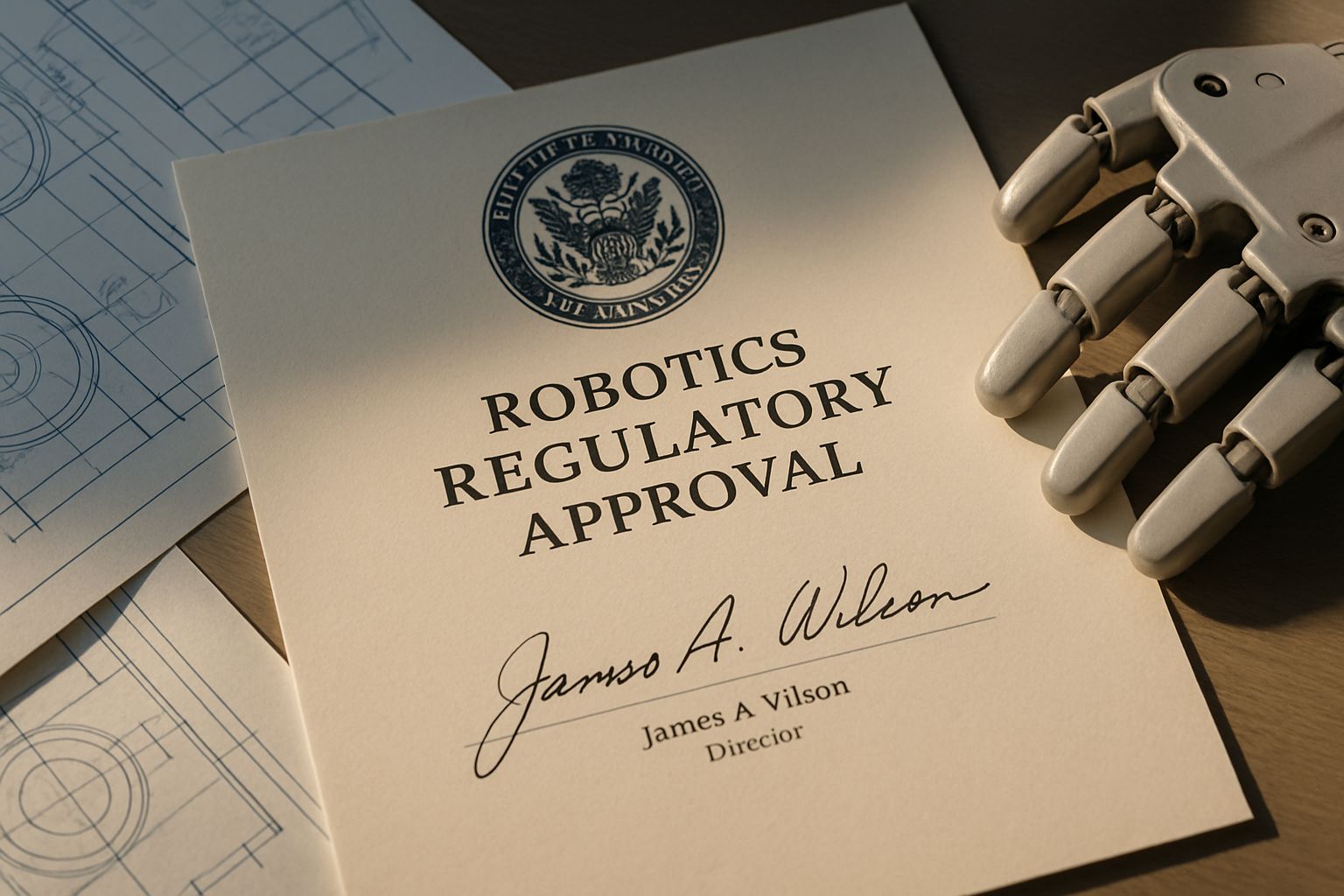
On 25 January 2026, FF announced its robot finished U.S. testing and gained Robotics Regulatory Approval. Furthermore, the company promised a “launch = sale = delivery” model starting 4 February 2026 at the NADA Show.
Founder YT Jia stated deliveries could follow within the same month. Consequently, investors pushed trading volumes higher. BlackRock disclosed 40 percent more FFAI shares by year-end 2025, signaling renewed confidence.
However, FF did not identify the approving agency. Therefore, observers question whether the authorization covers electrical safety, radio compliance, or full operational deployment.
The milestone energizes FF’s roadmap. Yet the missing specifics temper enthusiasm.
The section underscores FF’s bold schedule. Meanwhile, deeper scrutiny emerges around documentation.
Certification Scope Remains Unclear
Regulatory paths for humanoids span multiple domains. For instance, devices need FCC radio clearance, UL electrical listing, and sometimes OSHA machinery review. Additionally, certain states impose robotics safety codes.
FF’s press release cited only generic “U.S. regulatory certification.” Consequently, journalists searched FCC and UL databases without success. Moreover, no SEC 8-K filing attached the certificate.
Industry experts urge transparency. Jonathan Hurst notes reliability and safety remain paramount. In contrast, hype alone cannot secure plant-floor contracts.
- Possible approval types:
- FCC electromagnetic compliance
- UL 60335 general safety
- ANSI R15.08 robotics safety
- Publicly posted evidence: None so far
These gaps invite independent verification. Nevertheless, FF still markets its achievement aggressively.
This uncertainty shapes buyer caution. Subsequently, the analysis turns toward broader risks.
Industry Reactions And Risks
Market watchers applaud any genuine Robotics Regulatory Approval. However, they warn of overstated timelines. Chris Atkeson stresses that humanoid failure modes can be dangerous and expensive.
Furthermore, manufacturing scale remains unproven. FF must secure supply chains, quality systems, and field support. Additionally, capital intensity rivals automotive programs.
Competitors sense both opportunity and peril. In contrast, cautious customers may delay orders until independent audits confirm performance.
Balanced perspectives keep expectations realistic. Consequently, vendors must provide evidence, not slogans.
This section reveals key challenges. Therefore, attention shifts to competitive positioning.
Competitive Landscape Snapshot Brief
Several players chase similar goals. Moreover, each touts unique strengths:
Digit (Agility Robotics): Early warehouse pilots with Amazon. Optimus (Tesla): Leverages vehicle manufacturing expertise. Atlas (Boston Dynamics): Impressive agility demonstrations. Figure 01 and Apptronik Apollo: Target industrial customers with modular joints.
FF differentiates via an integrated vehicle-robot ecosystem branded as EAI. Additionally, the firm links product usage to potential Web3 incentives.
However, technological convergence narrows gaps quickly. Consequently, speed alone may not guarantee durable advantage.
Competitors illustrate a crowded field. Meanwhile, market forecasts offer further insight.
Market Forecasts And Opportunities
Analysts project humanoid deployments accelerating after 2027. Moreover, Deloitte expects robotics labor spending to triple by 2030. Consequently, early Robotics Regulatory Approval may secure pilot contracts.
FF claims revenue synergy across its EAI vehicles and robots. Additionally, subscription software could create recurring income.
Professionals can enhance their expertise with the AI+ Robotics™ certification. Furthermore, accredited training builds cross-functional talent pipelines.
These projections suggest meaningful upside. Nevertheless, execution excellence remains decisive.
The outlook underscores commercial promise. Subsequently, strategic takeaways deserve focus.
Key Takeaways And Nextsteps
FF’s announcement delivers publicity and potential investor momentum. Moreover, ten public references to Robotics Regulatory Approval amplify brand visibility. However, documentation must surface to validate confidence.
Stakeholders should pursue these next actions:
- Request certificate numbers and test reports from FF.
- Monitor SEC filings for related disclosures.
- Track NADA product demos on 4 February 2026.
- Compare rival launch timelines and safety data.
Additionally, engineers ought to study ANSI robotics standards before deployment.
These steps strengthen due diligence. Consequently, organizations can navigate emerging humanoid options wisely.
The section distills practical guidance. Meanwhile, the concluding thoughts wrap the narrative.
Conclusion
Faraday Future’s claimed Robotics Regulatory Approval marks a symbolic advance in the humanoid race. Furthermore, market growth estimates confirm substantive potential. Nevertheless, unanswered certification details create caution among buyers and analysts.
Consequently, verification efforts must continue. Meanwhile, professionals should upskill through recognized programs and follow upcoming launch events.
Explore the linked certification to deepen domain knowledge, stay informed, and capitalize on next-generation embodied AI opportunities.


