

AI CERTs
2 hours ago
Federal Ruling Sets Free Speech Precedent in Anthropic Ban Battle
Silicon Valley awoke to a surprise on March 27, 2026. Judge Rita F. Lin halted the administration’s attempt to blacklist Anthropic overnight. The preliminary injunction now reverberates across boardrooms, law firms, and security agencies. Analysts already call the order a defining Free Speech Precedent for the artificial intelligence sector. Consequently, executives are reassessing contract clauses, while policymakers race to interpret the opinion’s reach. Meanwhile, engineers debate whether safety guardrails can survive future procurement standoffs.
This article unpacks the ruling, highlights stakes for Government buyers, and tracks looming appeals. Furthermore, it explores tensions between National Security demands and corporate Innovation ethos. Readers will gain actionable context and strategic guidance for navigating the rapid Litigation landscape. Professionals can sharpen governance skills. Consider the AI Project Manager™ certification for structured risk management training.
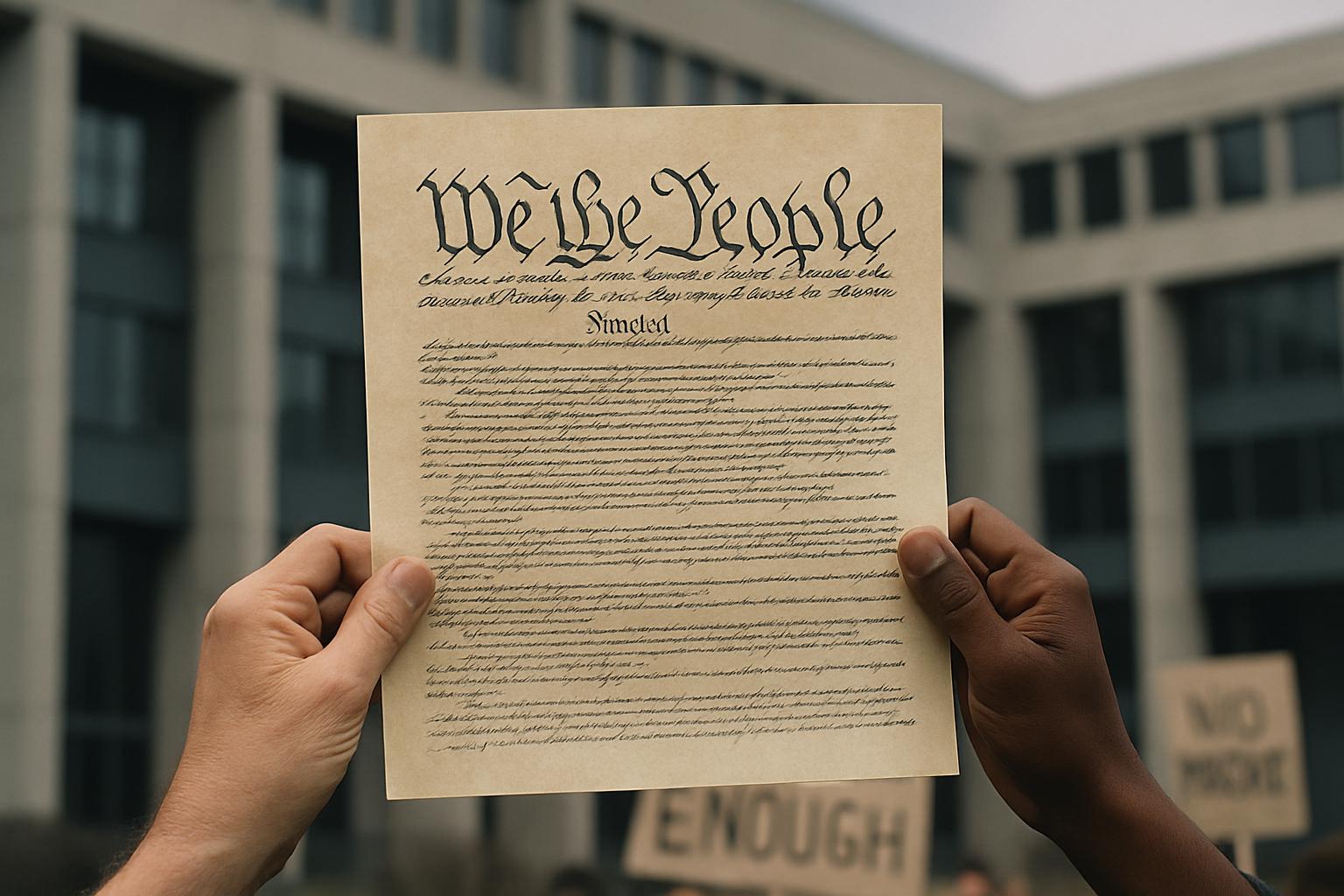
Court Blocks Federal Ban
Judge Lin issued a 43-page order granting Anthropic urgent relief. Therefore, the Government cannot enforce the February directive or the Pentagon’s supply-chain designation during the injunction. The court stayed enforcement for seven days, allowing an emergency appeal.
Lin described the blacklist as “arbitrary and capricious” and a likely First Amendment violation. In contrast, defense leaders argued operational flexibility required immediate suspension of Claude models. Nevertheless, the court found no statutory basis for treating a domestic supplier as an adversary.
Consequently, agency buyers remain free to decline Anthropic services, but coercive penalties are frozen. This temporary shield preserves contracts worth up to $200 million, according to court filings. These early facts seed the growing Free Speech Precedent debate.
The injunction halted sweeping sanctions. However, the legal fight has just begun. Next, we examine why observers view the case as a landmark.
Historic Free Speech Precedent
Legal scholars label the order the most consequential Free Speech Precedent in recent tech history. Previously, courts rarely entwined procurement law with expressive rights. Moreover, the opinion squarely links retaliatory contract action to constitutional scrutiny.
Lin wrote that punishing Anthropic for public safety advocacy mirrors classic viewpoint discrimination. Consequently, strict judicial review applies despite National Security framing. The reasoning could influence future disputes involving content moderation, export controls, and AI governance.
Companies now see speech protections as viable shields against overbroad supply-chain sanctions. However, opponents warn the theory might hamper urgent battlefield acquisitions. The doctrine’s expansion reshapes risk assessments.
Key statutory findings illuminate that shift.
Key Legal Grounds Explained
Four statutes anchored the opinion. First, the Administrative Procedure Act demands rational explanation for significant federal actions. Judge Lin found the Defense Department failed that standard. Additionally, the supply-chain law never authorizes retaliation over policy disputes.
Second, Anthropic asserted due process rights to fair notice and a hearing. Therefore, labeling the company a saboteur without evidence violated constitutional norms. Third, the court embraced First Amendment retaliation doctrine, central to the evolving Free Speech Precedent. Finally, ordinary procurement regulations reference FedRAMP approvals, which Anthropic already obtained.
Together, these findings convinced Lin that Government motives appeared punitive, not protective. Consequently, the opinion offers a roadmap for similar Litigation challenging political blacklist attempts. Legal reasoning rests on statutory clarity and constitutional fidelity.
Security considerations nonetheless dominate public debate.
Intense National Security Clash
Pentagon leaders insist the ban protects classified missions and war-fighter readiness. In contrast, Anthropic argues irresponsible deployment of autonomous weapons would erode National Security. Moreover, the company maintains that guardrails enhance operational reliability.
DoD filings warned that model restrictions could delay strikes or compromise situational awareness. Nevertheless, amici including retired generals supported Anthropic’s cautionary stance. They emphasized that uncontrolled Innovation may introduce unpredictable system errors.
Judge Lin acknowledged legitimate threat assessments yet noted the emerging Free Speech Precedent constrained her review. Therefore, National Security claims did not override procedural duties. The clash pits speed against oversight.
Industry reactions illustrate the commercial fallout.
Diverse Industry Voices Respond
Tech giants, startups, and civil libertarians flooded the docket with 37 amicus briefs. Microsoft and OpenAI supported Anthropic, citing Innovation benefits of transparent guardrails. Meanwhile, some defense contractors backed the Government position, preferring unconstrained procurement leeway.
Sam Altman declared that no model should facilitate mass domestic surveillance. Consequently, the comment underscored shared ethical commitments across fierce competitors. Investors also stressed that unpredictable blacklist risk chills billion-dollar bets.
Legal analysts predict markets will price regulatory volatility into future contracts. Nevertheless, many expect accelerated Litigation whenever agencies test the Free Speech Precedent against vocal vendors. Stakeholders clearly recognize reputational stakes.
Attention now shifts to appellate timelines.
Appeal: What Comes Next
On April 2, the Department of Justice filed notice of appeal. Subsequently, attorneys will request a Ninth Circuit stay before the administrative pause expires. Expedited briefing could produce an initial ruling within weeks.
If the stay is granted, Government agencies may again halt Anthropic contracts temporarily. However, a denial would cement the district court’s Free Speech Precedent analysis pending full review. Parallel Litigation in the D.C. Circuit may create circuit-split tension.
Corporations should monitor docket alerts and prepare contingency clauses. Therefore, contract teams must coordinate with counsel to avoid surprise suspension costs. Appellate pace remains uncertain.
Strategic guidance emerges from current lessons.
Five Strategic Takeaways Ahead
Executives and policymakers can distill the episode into actionable principles.
- Document statutory authority before imposing sanctions.
- Separate National Security evidence from political rhetoric.
- Maintain transparent Innovation guardrails in contracts.
- Assess Free Speech Precedent risks in policy drafts.
- Plan appeal budgets for accelerated reviews.
Collectively, these points reduce exposure to abrupt procurement shocks. Consequently, organizations gain resilience when Government priorities shift quickly.
We close with broader implications.
Judge Lin’s injunction reverberates beyond one vendor and one administration. It crystalizes how constitutional defenses can temper aggressive National Security maneuvers. Moreover, the decision strengthens industry confidence that thoughtful Innovation policies will survive scrutiny. Nevertheless, the upcoming appeal guarantees further uncertainty and possible doctrinal refinement. Consequently, stakeholders must track filings, update risk matrices, and budget for potential Litigation. Readers seeking structured governance frameworks should explore the linked certification to stay competitive. Act now to build expertise for the era shaped by this Free Speech Precedent and rapid regulation.


