

AI CERTS
3 hours ago
Fed Rate Outlook: Data-Driven Caution
Consequently, many traders recalibrated expectations, shifting focus from preset timelines to incoming evidence. Meanwhile, analysts revisited the central bank’s toolkit, from neutral-rate estimates to reserve-management purchases. By emphasizing patience, Williams reinforced the Federal Open Market Committee’s data-dependent stance. Therefore, corporate treasurers, portfolio managers, and fintech builders must watch every release with renewed diligence. This article unpacks the latest signals, explores distorted statistics, and assesses possible paths for the Fed Rate in 2026.
Current Market Context Landscape
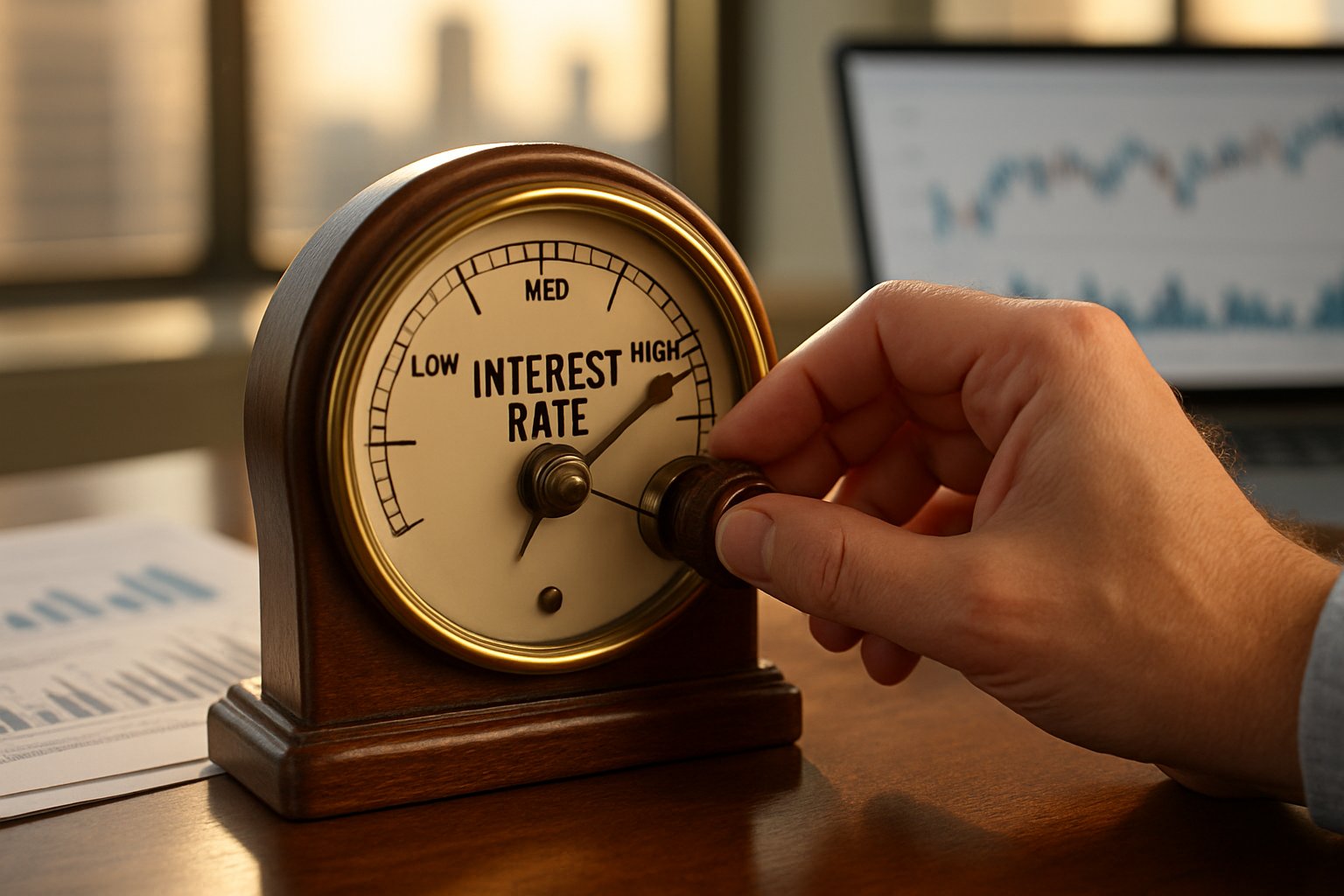
Market participants entered December expecting a steady easing cycle. However, the December 10 decision delivered only a quarter-point adjustment. Consequently, the target range now stands at 3.50% to 3.75%. Traders initially projected another Fed Rate cut in January. In contrast, futures now assign less than a 35% probability.
- Federal funds target: 3.50%–3.75% after 25 bps cut.
- November CPI: 2.7% year-over-year, signalling moderated Inflation.
- November unemployment: 4.6% with October survey gap.
- Short-term Treasury purchases resumed for reserve management.
Moreover, credit spreads narrowed slightly after the announcement, signalling limited stress in corporate funding markets. Bank loan growth remained muted, yet household balance sheets appeared healthy. Consequently, retail spending trends suggested consumers still feel comfortable using accumulated savings. In contrast, housing activity cooled as mortgage costs stayed elevated. Therefore, analysts see a two-speed economy emerging.
These indicators sketch a cautious backdrop. However, comments from leadership provide deeper insight into the strategy.
Williams Signals Policy Patience
John C. Williams stressed patience during his December 19 CNBC appearance. Moreover, he asserted the existing stance is “in a pretty good place.”
He added that the recent Fed Rate cut already supports growth and moderates Inflation pressures. Consequently, he does not foresee an urgent need for another Fed Rate change. Williams contended that acting on shaky data risks miscalibration. In contrast, some commentators argue that proactive easing could protect employment if revisions reveal sharper cooling.
Market commentators noted that the vice-chair’s language aligns with prior speeches dating back to April. Furthermore, his remarks echoed the chair’s concern about misreading temporary data quirks. Meanwhile, some buy-side desks interpreted the interview as an informal pause signal. Consequently, overnight index swaps repriced, trimming probabilities for a near-term policy adjustment. Nevertheless, volatility remains elevated, reflecting lingering uncertainty.
Overall, Williams’ remarks prioritize clarity and optionality. Therefore, markets must interpret future speeches as real-time guidance.
Data Distortions Challenge Analysis
The 43-day government shutdown blocked October data collection. Consequently, November reports rely on partial surveys and modelling adjustments.
Therefore, headline Inflation came in at 2.7%, yet several categories lacked complete price quotes. Meanwhile, payroll counts ignored absent establishments, pushing the unemployment rate to 4.6%.
Such anomalies complicate Fed Rate deliberations because staff models depend on consistent seasonal patterns.
Historical episodes show that data noise can skew policy paths. For instance, the 2013 budget sequester created similar statistical gaps. Economists later identified sizable revisions once normal collection resumed. Therefore, many strategists caution against hard conclusions until January updates arrive. Additionally, corporate survey evidence offers a useful cross-check when official series gap.
Distorted statistics elevate policy uncertainty. Nevertheless, clearer December releases should refine the macro narrative. Attention now shifts to how policymakers deploy available instruments.
Policy Tools In Play
The Federal Reserve restarted short-term Treasury bill purchases to maintain ample reserves. However, Williams insisted the action is not quantitative easing.
Moreover, he clarified that the program targets overnight liquidity, not term premiums. Consequently, long-term yields reacted modestly.
The committee also tracks the neutral real Fed Rate estimate, often called r-star. Therefore, small shifts in that benchmark can amplify policy impact on Inflation and employment.
Professionals can enhance their expertise through the Bitcoin Security certification. This program deepens knowledge of digital asset risks within evolving monetary environments.
Some observers worry that reserve management purchases may still leak into broader asset prices. However, desk officials argue sterilization techniques prevent unintended duration absorption. Moreover, the transaction sizes remain small compared with earlier balance-sheet expansions. Consequently, market liquidity metrics, such as bid-ask spreads, have stayed stable. In contrast, foreign central banks experimenting with similar tools reported mixed outcomes.
These instruments supply flexibility without heavy market distortion. Meanwhile, critics still worry about unintended liquidity waves. Understanding those risks requires examining competing perspectives.
Key Risks Under Debate
Economists split over the next move. Some warn that stickier prices demand restraint.
In contrast, others argue that a higher Fed Rate could unnecessarily weaken hiring.
- Hawkish view: Premature cuts may reignite Inflation, forcing a steeper Fed Rate reversal later.
- Dovish view: Waiting risks overtightening while shelter costs decelerate.
- Market view: Futures imply moderate easing between March and June if data cooperate.
Beyond price dynamics, geopolitical tensions could alter energy and commodity costs. Moreover, upcoming fiscal negotiations may influence demand through spending caps or stimulus extensions. Consequently, scenario planners incorporate multiple supply and demand shocks. Meanwhile, equity strategists highlight sector dispersion, with utilities outperforming cyclicals under slower growth assumptions. Therefore, strategic diversification appears prudent.
Each camp anchors forecasts on limited evidence. Consequently, January data could shift consensus overnight. Investors must translate these scenarios into actionable positioning.
Investor Takeaways And Outlook
Portfolio managers now weigh patience against opportunity cost. Furthermore, corporate treasurers adjust cash ladders to shorter maturities.
Consequently, equity funds lean toward sectors resilient to moderate growth and stable borrowing costs.
Watchlist For January Meeting
Key milestones include the December price index, updated payrolls, and any surprise speeches from voting members. Moreover, market probabilities will shift daily as those indicators print.
Derivatives desks also monitor skew in short-dated options, which often foreshadow policy surprises. Additionally, corporate issuers might accelerate debt sales before windows narrow. Meanwhile, pension funds adjust liability hedges to match shifting discount curves. Consequently, cross-asset correlations could deviate from historic norms, complicating hedging programs. Nevertheless, disciplined rebalancing can mitigate such challenges.
Long-term investors benefit from disciplined scenario planning. Therefore, staying informed ensures strategies adapt to evolving reality.
Conclusion And Next Steps
New York policymakers entered 2026 with cautious confidence. Their wait-and-see posture reflects unusual gaps in economic evidence. However, the next few weeks will deliver cleaner statistics, enabling clearer judgment. Consequently, traders and executives should monitor every release, from price indices to labor flows. Meanwhile, officials will keep liquidity tools ready, safeguarding smooth market functioning. Nevertheless, divergent opinions across the Federal Open Market Committee guarantee lively debate. For professionals seeking an edge, continuous learning remains essential. Consider deepening macro and risk knowledge through specialized programs like the linked Bitcoin Security certification. Proactive education, combined with disciplined analysis, will position decision-makers to navigate any coming policy twists.


