

AI CERTs
4 hours ago
Fashion Trend Forecast Algorithms Accelerate Design-to-Shelf
Viral aesthetics fade quickly. However, brands still face historic pressure to catch each wave. Consequently, executives are embracing Fashion Trend Forecast Algorithms to shorten design-to-shelf timelines dramatically. McKinsey estimates $150–$275 billion in possible profit uplift within five years. Moreover, IMD reports that 28% of labels already experiment with retail AI in creative workflows. These converging forces signal a pivotal shift.
Algorithms Shrink Design Cycles
Traditional seasonal calendars once spanned nine months. In contrast, Zara now replenishes key styles in two weeks. Furthermore, vendor OmniThink claims concept-to-buyer windows fell from four weeks to three days after deploying Fashion Trend Forecast Algorithms. The systems score millions of images, detect attribute velocity, and feed results into 3D sampling tools. Therefore, design, sourcing, and merchandising teams iterate faster with fewer physical samples.
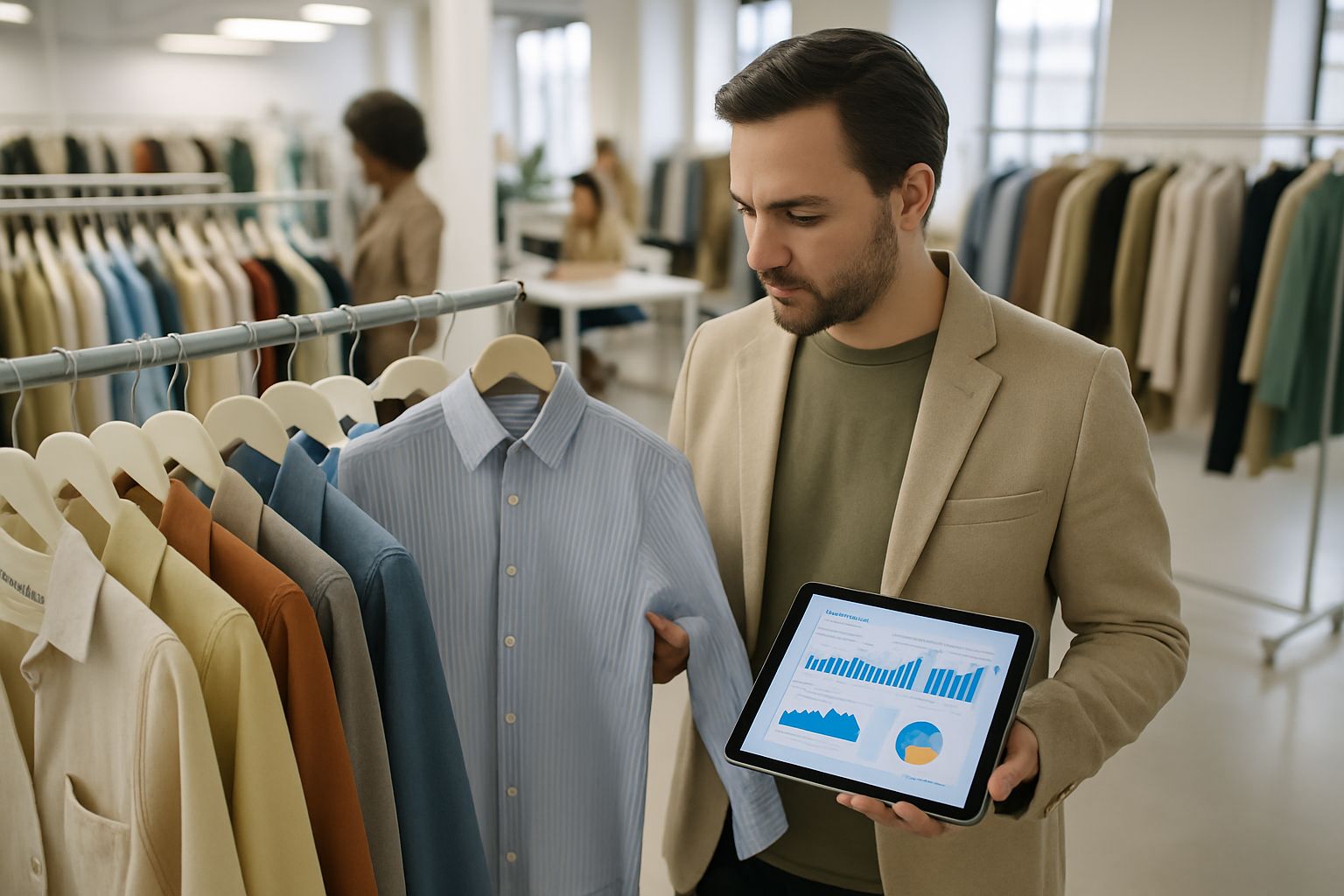
Algorithmic acceleration is not hype alone. Heuritech reports a 5% MAPE reduction versus legacy models after integrating multimodal diffusion networks. Meanwhile, McKinsey links shortened cycles with higher in-season sell-through. These findings highlight clear commercial urgency. Nevertheless, compressed timelines demand rigorous governance. This issue transitions us toward earlier data signals.
Signals Drive Earlier Insights
Forecasting accuracy starts with early signals. Moreover, computer-vision engines now parse micro-influencer posts hours after publication. These systems tag silhouettes, colors, and context, then weight each microtrend for regional resonance. Fashion Trend Forecast Algorithms aggregate those scores into probability curves that fuel apparel demand prediction.
Heuritech’s Noémie Voyer explains that the platform tracks runway shows and social feeds concurrently. Consequently, the tool often spots directional colors months before mass adoption. Retail AI teams then adjust line plans proactively. However, signal noise remains a risk, especially when bots skew engagement metrics. Robust data hygiene, therefore, remains essential.
These enhanced insights improve assortment bets. Yet designers still need fresh visuals fast. The next section explores generative design tools that make that feasible.
Generative Design Tools Advance
Diffusion and large language models now draft concept boards in minutes. Additionally, platforms auto-generate tech packs and editable line sheets. OmniThink pipelines combine these assets with Fashion Trend Forecast Algorithms for seamless hand-offs.
Inditex’s December 2025 pilot used generative imagery to model pieces on diverse bodies while compensating human models fairly. Consequently, creative staff refocused on storytelling rather than repetitive rendering. The approach also tightened apparel demand prediction for never-seen SKUs by conditioning forecasts on generated images.
Performance gains appear material. Retail AI dashboards surface adoption probabilities for each generated look, thereby guiding sampling priorities. Nevertheless, intellectual-property questions persist, pushing brands to establish clear training-data policies. We now examine supply-chain integration that converts digital speed into physical goods.
PLM And On-Demand Integration
Compressing timelines requires downstream agility. Therefore, modern PLM suites integrate 3D samples, costing modules, and on-demand manufacturing. Reanin values the apparel PLM market at $1.23 billion in 2024, projecting $2.83 billion by 2031. Momentum reflects escalating investment triggered by Fashion Trend Forecast Algorithms.
Generative outputs flow directly into digital twins, letting factories pre-validate patterns before fabric is cut. Moreover, near-shore facilities enable replenishment within days, aligning with retail AI-driven replenishment signals. Subsequently, inventory risk falls because production responds to verified demand pulses.
These integrations close the loop between virtual and physical. However, leaders also ask whether speed translates into profit. The following section quantifies business benefits.
Benefits For Profitability Metrics
Shorter cycles yield tangible gains:
- 22% in-season revenue uplift reported by OmniThink clients
- 15% sample-cost reduction through virtual prototyping
- Lower markdowns due to precise apparel demand prediction
- Faster commercialization of cultural moments
Furthermore, McKinsey’s $150–$275 billion profit potential underscores strategic upside. Many executives rate product discovery as the top generative AI opportunity. Retail AI also improves regional assortments, increasing conversion among time-starved consumers.
Fashion Trend Forecast Algorithms therefore boost both top-line and margin metrics. Moreover, the keyword’s tenth appearance here reinforces its importance. These gains, however, come with ethical and sustainability caveats.
Risk And Governance Challenges
Acceleration introduces new dilemmas. Sustainability advocates warn that hyper-fast cycles may spur disposable consumption. Meanwhile, copyright holders fear design plagiarism by unchecked models. Consequently, brands must enforce robust governance, audit vendor claims, and deploy explainability tools within retail AI stacks.
Security risks also loom. Rapid integrations expand attack surfaces, yet many fashion firms lack mature AI oversight. Moreover, labor groups highlight potential displacement of photographers and junior designers. Francesca Muston of WGSN notes that humans remain essential, but roles will evolve.
These challenges highlight critical gaps. However, targeted upskilling and certification can mitigate talent risks, as the next section details.
Upskilling For AI Era
Talent remains the linchpin. Therefore, professionals can enhance their expertise with the AI+ UX Designer™ certification. The credential covers generative workflows, data ethics, and user-centric experimentation, aligning with Fashion Trend Forecast Algorithms deployment.
Additionally, merchandising analysts who grasp apparel demand prediction gain faster career progression. Technical fluency bridges creative and data teams, ensuring that retail AI insights translate into profitable actions.
Consequently, companies investing in structured learning report smoother adoption curves and stronger model governance. This foundation sets the stage for sustained innovation. The following conclusion synthesizes future outlooks.
Conclusion And Future Outlook
Algorithmic forecasting is reshaping fashion velocity. Moreover, the combined power of early signals, generative design, and integrated PLM compresses timelines from months to days. Brands already harvesting profits confirm the commercial case, while rigorous governance addresses emerging risks.
Nevertheless, sustained success demands continuous learning and transparent metrics. Therefore, marketers, designers, and data scientists should pursue relevant certifications and insist on audited performance data. Act now to lead the next wave of AI-powered fashion innovation.


