

AI CERTs
2 hours ago
Facial Recognition Spurs Civil Rights Breach Debate
Mass demonstrations once protected by anonymity now unfold under algorithmic microscopes. However, recent disclosures reveal officials scanning crowds with live cameras and vast image databases. Consequently, protesters learn their faces may trigger alerts long after marches end. Moreover, lawmakers, technologists, and activists warn that such identification chills free assembly. Experts label this trend a clear Civil Rights Breach that erodes democratic participation. In contrast, agencies praise faster suspect identification. Additionally, NIST data confirms demographic error gaps, raising Ethics alarms. Meanwhile, vendors market mobile apps promising instant matches from billions of photos. Therefore, the debate over facial recognition’s reach has entered every newsroom and courtroom. Ultimately, the struggle will define how societies balance public safety with constitutional freedoms.
Surveillance Stack Expands Rapidly
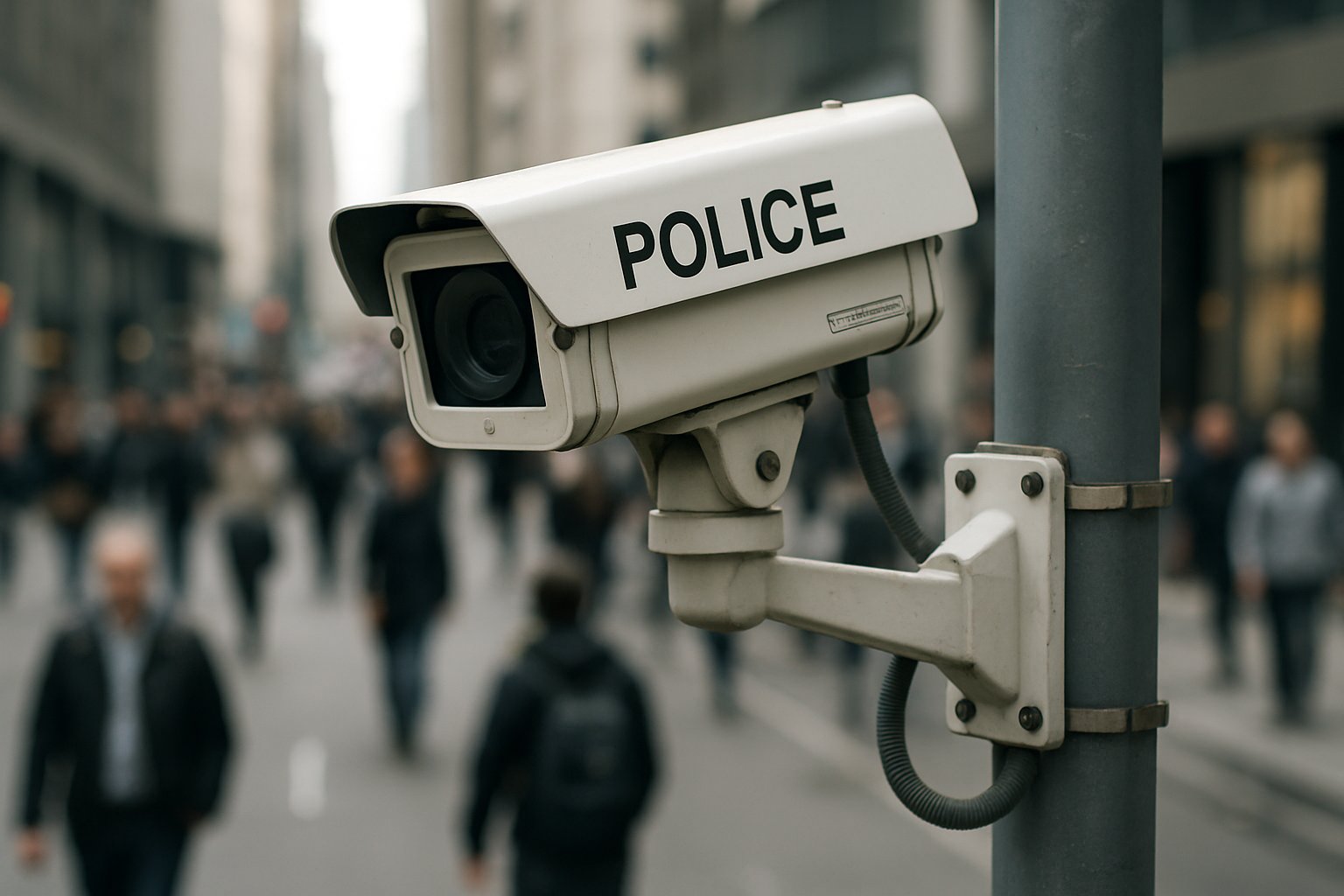
Federal and local Police quietly widened face searches during 2025–2026 protests. Furthermore, ICE agents used the Mobile Fortify app to scan live footage, according to February 2026 reports. Subsequently, matches flowed into Palantir-style dossiers that combine license-plate hits and social-media scraping. Clearview AI supplied a 50-billion-image database, giving investigators unprecedented reach. Nevertheless, critics call the integration a second major Civil Rights Breach. Demands for procurement transparency grew after senators questioned contract oversight. Additionally, Amnesty International uncovered 2,700 NYPD records and more than $5 million spent on algorithms.
Key deployment numbers underline scale:
- 75 U.S. agencies confirmed facial recognition use; 15 admitted arrests without corroboration.
- 3,100 departments reportedly held Clearview licenses, according to company claims.
- Georgetown estimated 117 million adults already enrolled in searchable galleries.
These figures show rapid adoption across jurisdictions. However, most departments never informed local councils or courts. The opacity sets the stage for the next section on accuracy concerns.
Mobile Apps On Streets
Body-worn cameras now double as biometric sensors. Consequently, officers can photograph a marcher and receive candidate names before issuing dispersal orders. Moreover, observers in Minneapolis recounted warnings that recordings would enter federal systems. Such moments encapsulate another Civil Rights Breach because peaceful Activism risks lifelong monitoring. In contrast, agencies argue real-time data protects bystanders from violent actors. Yet, the lack of written policies frustrates defenders of Privacy. Therefore, community groups file relentless FOIA requests seeking usage logs. Two sentences close this sub-section. Vigilance will remain essential as technical limits surface next.
Accuracy And Bias Concerns
NIST demographic tests reveal false-match rates varying by orders of magnitude between racial cohorts. Additionally, low-light protest videos degrade algorithm performance even further. Consequently, wrongful arrests linked to face searches surfaced in Washington Post investigations. One Detroit case saw an innocent man jailed overnight after a single shaky frame produced a “match.” Such stories represent an avoidable Civil Rights Breach rooted in statistical blind spots. Moreover, biased data pipelines violate foundational Ethics principles about fairness and accountability. Therefore, experts insist on mandatory accuracy disclosures and independent audits before deployment continues.
Demographic Error Differentials
NISTIR 8429 shows Asian and Black women sometimes experience false-positive risks up to 100 times higher. Meanwhile, algorithm vendors rarely publish real-world protest benchmarks involving masks and movement. Consequently, technologists urge scenario-specific testing. Furthermore, activists ask courts to exclude evidence derived from unvalidated systems. The growing technical record supports stronger legislative guardrails. Two lines conclude this segment. The legal landscape remains fragmented, as outlined below.
Legal And Policy Patchwork
Cities like Portland banned live scans, yet neighboring sheriffs still run retrospective searches. Similarly, the EU AI Act restricts mass identification while exempting border security, creating loopholes. Consequently, campaigners fear continental surveillance creep. Moreover, U.S. federal oversight remains minimal beyond occasional Senate letters. That gap perpetuates another Civil Rights Breach that stifles lawful Activism. In contrast, some lawmakers propose moratoria until bias issues resolve. Additionally, court challenges cite First Amendment precedents protecting anonymous assembly.
Global Regulatory Trends
Authoritarian states reportedly purchased Russian systems to flag dissidents from social feeds. Consequently, international watchdogs warn of cross-border repression flows. Meanwhile, democratic governments struggle to coordinate export controls and human-rights reviews. Therefore, multilateral standards could close gaps between trade and liberty. Two sentences summarize: Patchy rules invite rights abuses. However, balanced frameworks might emerge by aligning security with Privacy norms, leading into safety debates next.
Balancing Safety And Liberty
Proponents say rapid identification deters violent actors and clears cases faster. Nevertheless, critics highlight chilled speech and disproportionate targeting of marginalized groups. Moreover, false matches place innocent citizens under lasting suspicion, repeating the Civil Rights Breach pattern. Consequently, oversight bodies explore tiered authorizations and after-action audits. Additionally, technical safeguards like threshold tuning can reduce unwarranted detentions. Professionals can enhance their expertise with the AI+ UX Designer™ certification to design more accountable interfaces.
Balanced reforms might include:
- Mandatory human review before arrests based on algorithmic leads.
- Public disclosure dashboards showing query counts and demographic impacts.
- Independent accuracy testing against diverse protest scenarios.
These proposals address risk without banning beneficial tools. However, consistent adoption remains uncertain, pushing stakeholders toward deeper collaboration. The conclusion distills remaining challenges and next steps.
Section Summary: Safety arguments carry weight, yet unchecked systems threaten core freedoms. Therefore, transparent governance must accompany every deployment.
Conclusion And Outlook
Facial recognition now shadows street marches worldwide. Nevertheless, mounting evidence of bias, secrecy, and mission creep confirms an unfolding Civil Rights Breach. Moreover, fragmented laws allow inconsistent safeguards, placing Privacy, Ethics, and vibrant Activism at risk. Consequently, policymakers should mandate public audits, while vendors must publish clear accuracy data. Professionals designing next-generation tools should prioritize explainability, because trust grows only through accountable technology. Furthermore, empowered readers can demand legislative oversight and pursue specialized learning. Act now: review local surveillance ordinances and explore advanced credentials that promote human-centric AI practice.


