

AI CERTS
3 hours ago
EU’s New AI Executive Board Signals Strategic Innovation Shift
EIC Appointment Overview Update
The European Commission named 20 members, reappointing five and welcoming 15 new voices. Moreover, the group’s first plenary meeting will occur on 29 January 2026. Gender balance stands at 50:50, while 16 nationalities create broad representation. In contrast, previous cycles leaned heavily on Western hubs. The AI Executive Board now draws seven members from widening countries, strengthening regional cohesion. Overall, officials expect faster decision cycles and clearer strategic focus.
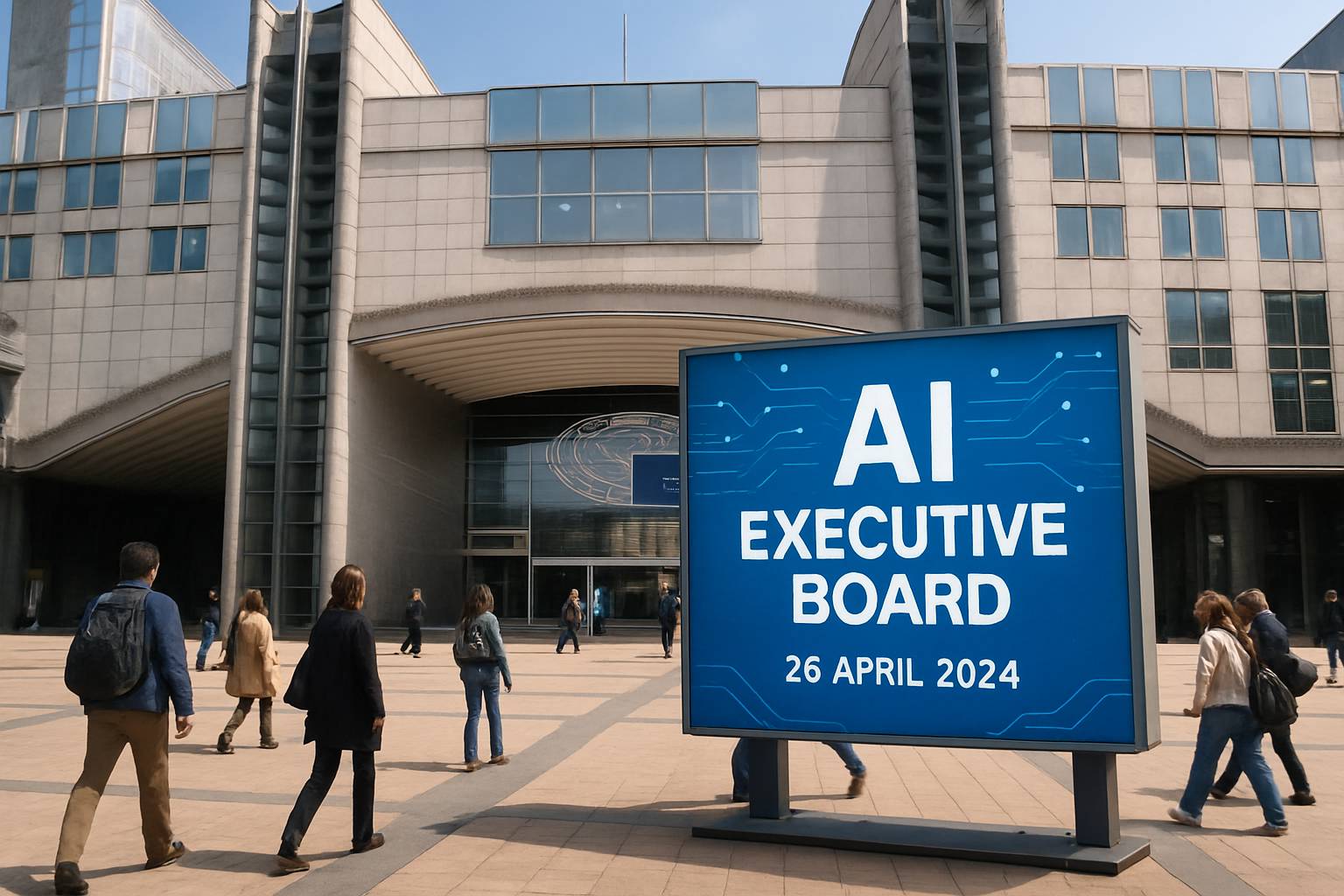
These facts underline Europe’s intent to diversify leadership. Furthermore, they set the stage for deeper collaboration across programmes.
Selection Process Key Insights
Commissioners opened applications in April 2025 and closed them six weeks later. Subsequently, 951 candidates competed, demonstrating surging interest in public-sector governance. Shortlisted experts faced interviews covering investment, Deep-tech policy, and ethics. Therefore, only top candidates progressed. Terms last two years and can be renewed twice, encouraging continuity without entrenchment. The AI Executive Board will operate in a personal capacity, limiting institutional bias.
Rigorous selection suggests the panel will bring bold yet balanced guidance. However, the true test begins once funding decisions reach startups.
Strategic Mandate And Funding
The Council manages a €10.1 billion envelope under Horizon Europe. Additionally, a proposed FP10 framework could triple this amount, pending legislative negotiations. Reuters noted a €1.4 billion boost for Deep-tech investment in 2025, underscoring rising momentum. The AI Executive Board must align priorities across Pathfinder, Transition, and Accelerator instruments. Consequently, members advocate an ARPA-like approach that tolerates risk yet demands accountability.
Key funding objectives now include:
- Accelerating Scale-ups from prototype to global market.
- Enhancing cross-border Innovation consortia.
- Leveraging equity to crowd-in private capital.
These funding levers could redefine Europe’s tech landscape. Nevertheless, budget approval remains the critical hurdle.
Diversity Metrics And Governance
Diversity extends beyond gender metrics. Moreover, sectoral balance mixes industry CEOs, venture investors, and academic leaders. Michiel Scheffer continues as president, providing continuity. Meanwhile, figures like Belén Garijo from Merck bring industrial heft. The Council emphasises conflict-of-interest safeguards. All members file declarations, and meetings observe transparency rules. The AI Executive Board intends to publish annual progress dashboards, fostering accountability.
Governance rigour should bolster public trust. However, critics will watch implementation speed and equity disbursement timelines.
Deep-Tech Growth Outlook Ahead
Europe’s Deep-tech pipeline now benefits from coordinated instruments. Pathfinder funds radical research, while Accelerator equity de-risks commercialisation. Furthermore, the renewed panel plans thematic portfolios in quantum, biotech, and clean energy. Consequently, entrepreneurs anticipate clearer roadmaps. The AI Executive Board also champions talent mobility, encouraging scientists to become founders.
This strategy promises stronger Scale-ups and wider market adoption. Yet global competition demands relentless pace.
Challenges Requiring Vigilant Oversight
Past operational delays dampened applicant confidence. In contrast, the new group must streamline contracting cycles. Moreover, clarity on FP10 mechanics, such as reflows from exits, remains pending. Independent analysts warn that bureaucratic inertia could blunt impact. The AI Executive Board thus faces pressure to publish concrete milestones within its first year.
Key risk factors include:
- Slow equity signature processes.
- Diverging national state-aid rules.
- Potential conflicts in dual-use research.
These issues highlight lingering gaps. Nevertheless, structured oversight may convert them into learning opportunities.
Conclusion And Next Steps
The refreshed AI Executive Board embodies Europe’s ambition to scale transformative ventures. Moreover, balanced geography, strengthened funding, and clear mandates position the Council for meaningful progress. Startups, investors, and policymakers should monitor the January 2026 meeting for early signals. Professionals can enhance their expertise with the AI Executive Essentials™ certification.
Continued vigilance will ensure promises translate into measurable outcomes. Therefore, engage with upcoming consultations and leverage new funding windows to drive collective success.


