

AI CERTS
1 month ago
European Industrials Poised For 2026 Manufacturing Revival
Meanwhile, Bloomberg Intelligence forecasts sector earnings growth of 13% in 2026. However, skills shortages and grid bottlenecks still threaten momentum. This article explores the drivers, headwinds, and strategic moves shaping the coming upturn.
Policy Tailwinds Driving Surge
Brussels has turned policy into purpose. The Net-Zero Industry Act aims to supply 40% of Europe’s clean-tech needs by 2030. Additionally, the Clean Industrial State Aid Framework relaxes funding rules until 2030, accelerating project pipelines. The EU Chips Act mobilises more than €80 billion for semiconductor capacity. Germany’s €5 billion support for the ESMC Dresden fab exemplifies fresh fiscal muscle. Consequently, procurement preferences and faster permits now create visible demand for power gear, robotics, and smart lines. European Industrials therefore gain unprecedented policy clarity.
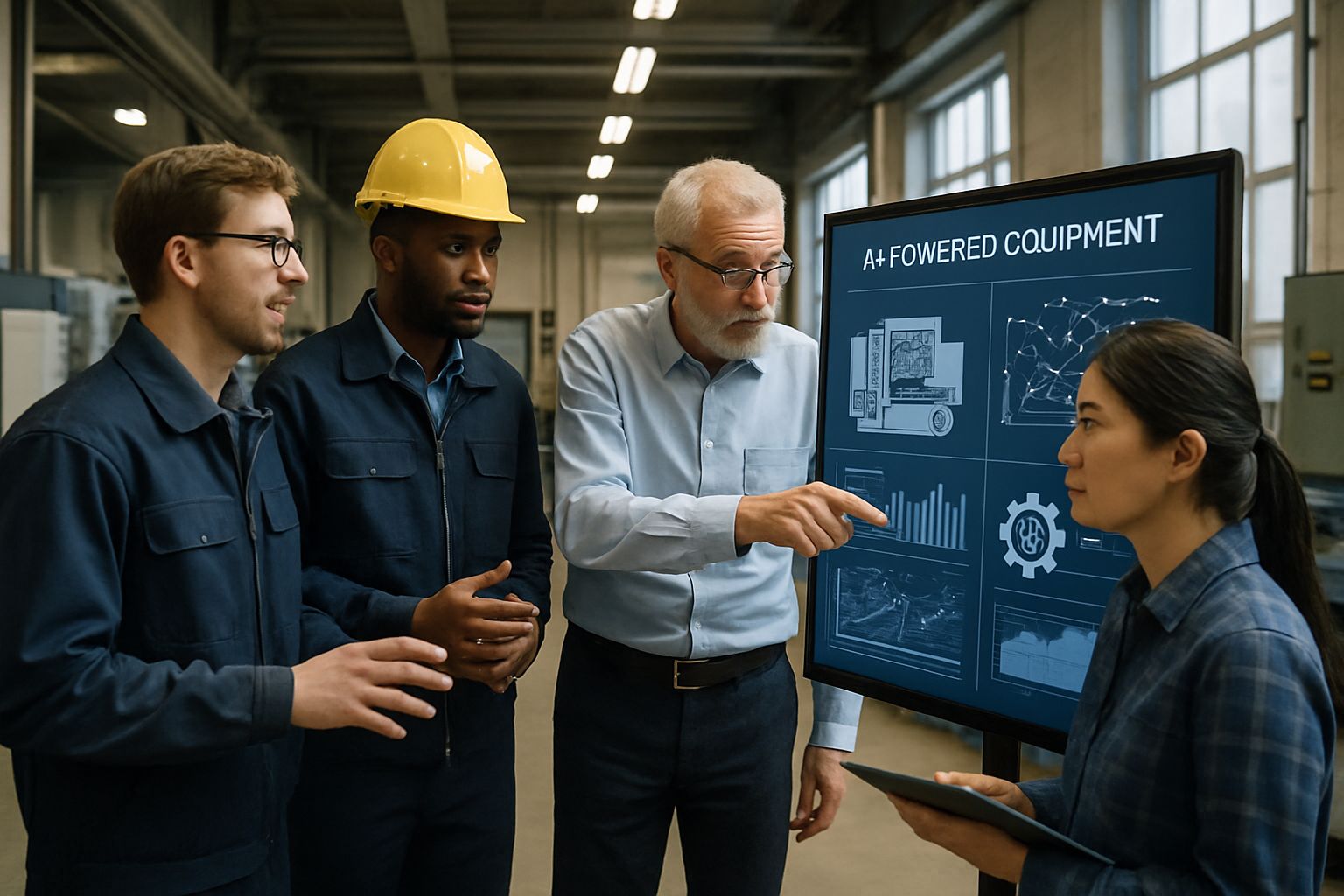
These measures shorten approval cycles and de-risk capital plans. However, national implementation speeds differ, creating execution gaps.
Policy levers are now live. Consequently, the investment backdrop looks stronger than in prior cycles.
Corporate Investment Momentum Builds
Corporate boards are matching rhetoric with capital. Capgemini reports 66% of large firms pursuing active reindustrialisation. Furthermore, 56% have already invested in near- or reshoring plants. Leaders target cost cuts above 20% through digital tools and automation. Siemens Energy’s order backlog reached €138 billion, covering 85% of expected 2026 sales. Schneider Electric keeps announcing electrification and AI ecosystem deals. Such figures suggest resilient revenue visibility.
The following numbers underline the scale:
- $4.7 trillion cumulative reindustrialisation outlays projected by 2028
- 13% Stoxx Europe 600 industrial EPS growth expected in 2026
- 945 TWh global data-centre electricity demand by 2030, says IEA
The corporate pipeline therefore appears robust. Nevertheless, macro volatility could still spill over to orders.
These commitments demonstrate rising confidence. However, short-term PMI weakness keeps caution in boardrooms.
Electrification And AI Demand
Data-centre expansion drives electricity hunger. IEA notes worldwide facilities may double consumption to 945 TWh by 2030. In contrast, Europe’s load could jump from 62 TWh to more than 150 TWh. Consequently, transformers, switchgear, and cables are racing off production lines. Bloomberg Intelligence analysts state, “This is a race for electricity as much as it is a race for AI.” European Industrials such as Schneider Electric and Prysmian dominate these niches.
Electrification of transport and heating reinforces the surge. Heat-pump factories, EV chargers, and battery plants all require precision automation. Therefore, suppliers like ABB and Eaton gain diversified revenue streams. Manufacturing upgrades also integrate AI-driven digital twins, boosting efficiency and resilience.
Grid demand is structural. Consequently, order books for power equipment continue swelling.
Semiconductors And Defence Upside
Europe’s chip capacity finally receives heavyweight backing. Implementation of the Chips Act has triggered foundry designations and subsidy approvals. Infineon, TSMC joint ventures, and ESMC plan advanced fabs. Moreover, local equipment makers see higher service revenue. Defence budgets are also climbing. Rheinmetall, Leonardo, and Saab benefit from rearmament programmes. Consequently, machine-tool vendors and materials suppliers secure new orders.
European Industrials occupy key positions along these chains, from clean-room HVAC to precision drives. Many expect contracts to ramp through 2026, aligning with the wider Manufacturing reset and anticipated Recovery.
Semiconductor and defence projects diversify demand. Nevertheless, supply-chain complexity can slow execution.
Diverse demand channels hedge cyclicality. Therefore, revenue streams become less vulnerable to single-sector shocks.
Risks Tempering The Boom
Soft Purchasing Managers’ Index readings keep economists cautious. Euro area Manufacturing PMI stayed below 50 for much of 2025, signalling contraction. Additionally, Eurostat reports patchy industrial output. Rising capital costs also squeeze project returns. Capgemini found 62% of executives expecting higher financing expenses. Furthermore, community opposition can stall permits for large grids and fabs.
Geopolitical rifts introduce tariff uncertainty. Friendshoring reduces risk yet raises costs. European Industrials thus face a balancing act between scale and agility.
These hurdles may dull near-term sentiment. However, structural drivers remain intact.
Constraints highlight execution challenges. Consequently, proactive mitigation becomes essential.
Skills And Cost Pressures
Labour shortages complicate ambitious schedules. Nearly two-thirds of surveyed executives cite domestic skills gaps. Meanwhile, wage inflation squeezes margins. Manufacturers hunt for automation engineers, welders, and power-system technicians. Additionally, component inflation persists due to tight copper and aluminium supply. Companies therefore streamline processes and partner with training institutes.
Professionals can enhance their expertise with the AI Learning Development™ certification. Such programmes build in-house digital talent, supporting the ongoing Recovery.
Workforce development is now critical. Nevertheless, targeted education initiatives could ease bottlenecks.
Closing the talent gap supports productivity. Consequently, competitive advantage shifts toward prepared firms.
Strategic Actions For 2026
Senior managers should synchronise project roadmaps with policy milestones. Furthermore, diversifying supplier bases mitigates geopolitical shocks. Companies accelerating smart-factory upgrades gain cost agility. Moreover, aligning capital budgets with grid-connection timelines prevents idle assets. Investors might prioritise firms with visible backlogs and multi-sector exposure. European Industrials that integrate AI, electrification, and resilient supply designs appear best positioned for Manufacturing gains in 2026.
Suggested priorities include:
- Secure long-lead power equipment orders early
- Expand workforce upskilling partnerships
- Leverage state-aid windows before 2030
- Embed sustainability metrics into capital allocation
Focused execution turns tailwinds into profit. However, complacency could forfeit market share.
Effective strategies reinforce momentum. Consequently, firms can ride the approaching Recovery wave.
Conclusion
The coming two years look pivotal. Policy, electrification, semiconductors, and defence collectively create a rare demand cocktail. Consequently, many European Industrials stand ready for a sizeable 2026 upswing. Nevertheless, skills shortages, grid constraints, and macro wobble could dilute gains. Proactive training, early procurement, and agile supply-chain design will separate winners from laggards. Moreover, professionals boosting digital skills through recognised programmes gain career leverage.
Act now to capitalise on the reset. Explore certifications and align strategies to secure a front-row seat in the next industrial chapter.


