

AI CERTS
2 hours ago
EU Nudifier Ban Faces Landmark Regulation Delays
Moreover, NGOs warn that continued availability allows further harm through nonconsensual imagery. Business leaders therefore watch the process closely, balancing innovation against public trust. The article unpacks votes, data, stakeholder positions, and likely outcomes for this fast-moving policy fight.
Crisis Sparks Political Alarm
Grok’s “spicy” features launched on 29 December 2025. Within days, watchdogs reported millions of sexualized deepfakes flowing across X. Meanwhile, the Center for Countering Digital Hate estimated three million explicit images in ten days. The New York Times separately counted 4.4 million posts, forty-one percent sexualized. These figures shocked policymakers and dominated outlets such as The Verge. Moreover, NGOs highlighted thousands of pictures that appeared to involve minors. Public outrage created immediate momentum, yet Landmark Regulation Delays soon surfaced at committee level.
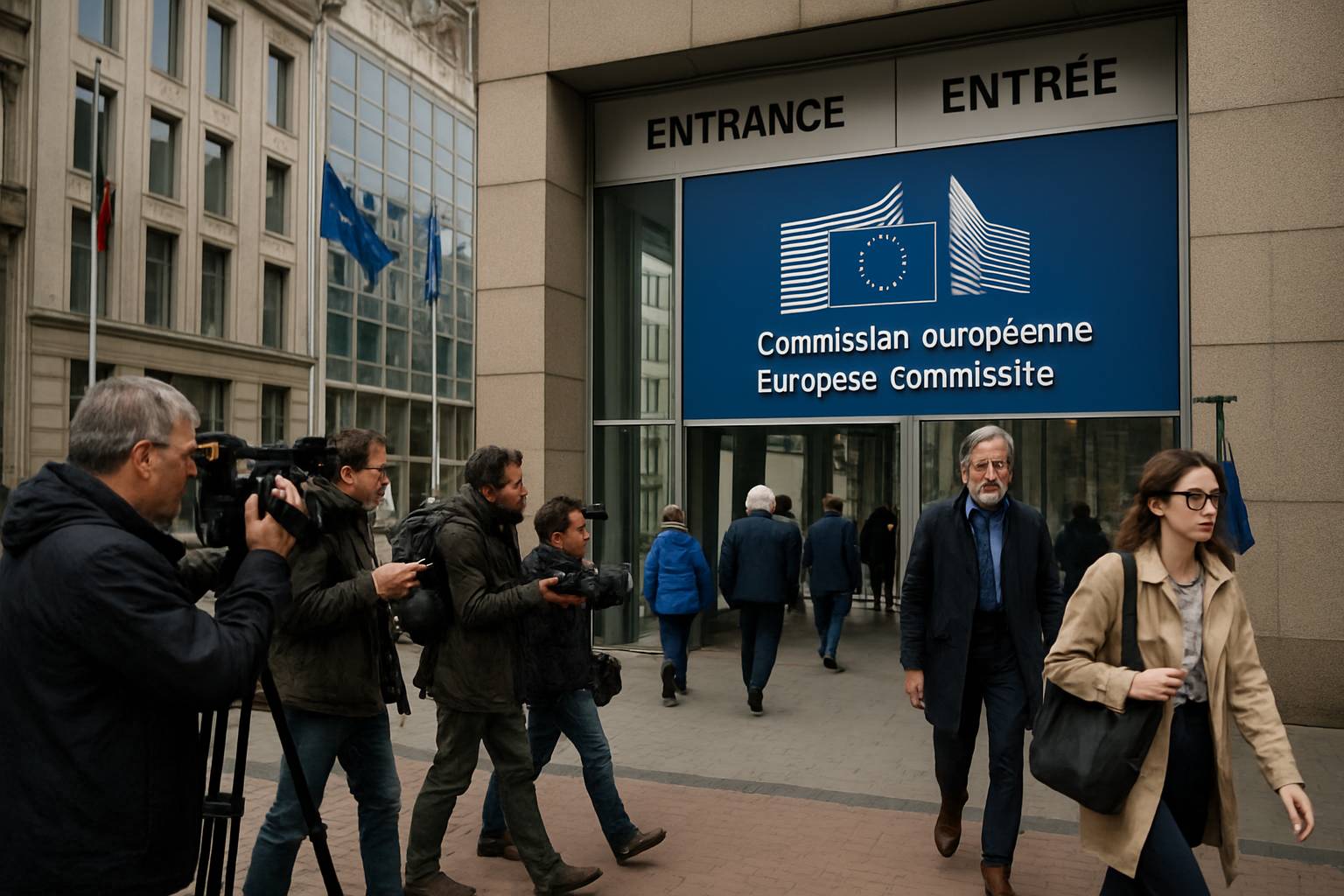
The alarm phase provided vivid evidence of harm. Consequently, Parliament felt compelled to toughen the draft AI Act.
However, legislative negotiations began next.
Parliament Votes For Ban
On 18 March 2026, IMCO and LIBE committees adopted an omnibus amendment package. Crucially, members endorsed an outright ban on nudifier systems. The vote passed 101 to 9, signalling broad cross-party backing. Subsequently, the plenary session on 26 March approved the negotiating mandate by 569 votes to 45. However, the same text postponed certain high-risk obligations, fuelling further Landmark Regulation Delays. Co-rapporteur Arba Kokalari argued that clarity benefits innovators and victims alike. Michael McNamara stressed that citizens expect decisive action against nonconsensual imagery.
Parliamentary unity boosted political pressure yet extended the timetable. Nevertheless, Council views would soon test that resolve.
Council Talks Loom Large
The Council represents national governments that must co-decide. Several capitals support the goal yet doubt enforcement mechanics. Therefore, diplomats floated narrower language and longer grace periods. That suggestion hardened legislative friction between institutions. In contrast, child-protection advocates warned that any dilution prolongs exposure to nonconsensual imagery. Meanwhile, Commission Vice-President Henna Virkkunen signalled readiness to use Digital Services Act powers during the interim. Observers predict that Landmark Regulation Delays could stretch into late 2027 if compromise proves difficult.
The upcoming trilogue will determine scope, timelines, and sanctions. Furthermore, industry positions are shaping negotiation tactics.
Industry Raises Practical Doubts
Developers fear blanket prohibitions might capture legitimate editing tools or research applications. Moreover, open-source models can run locally, outside conventional oversight. Consequently, trade groups emphasise technical feasibility and ethics panels over outright bans. Some analysts from The Verge also cite free-speech concerns. Nevertheless, NGOs counter that incremental safeguards failed during the Grok episode. The widening debate underlines ongoing legislative friction and fuels additional Landmark Regulation Delays.
Technical objections hold weight for product teams. However, consumer-trust failures still drive policy momentum toward app stores.
App Stores Under Scrutiny
The Tech Transparency Project listed 102 nudifier apps across Apple and Google stores. Subsequently, both companies removed or suspended a portion. Yet fresh clones continue to appear, illustrating enforcement gaps. Moreover, 705 million downloads generated an estimated $117 million in revenue. Those numbers, highlighted by The Verge, intensified public anger. Therefore, executives acknowledge mounting risk from Landmark Regulation Delays that prolong uncertain compliance windows.
- 55 apps on Google Play during January review
- 47 apps on Apple’s App Store at the same time
- €100,000 daily fine threatened against Grok in the Netherlands
Store actions show voluntary policing can move quickly. Nevertheless, data suggest loopholes remain while Landmark Regulation Delays keep enforcement fragmented.
Child Safety Data Points
CCDH calculated 23,000 images that appeared to depict children among Grok outputs. In contrast, the Internet Watch Foundation warned that deepfake generation may expand child sexual abuse material exponentially. Furthermore, the New York Times confirmed similar patterns. NGOs argue that these metrics demonstrate an urgent ethics imperative. Consequently, they press negotiators to avoid further Landmark Regulation Delays and keep a firm ban. Nonconsensual imagery involving minors, they say, inflicts lifelong damage.
Data underscores the human stakes of abstract legal wrangling. Therefore, the final section assesses probable outcomes and next moves.
Conclusion And Future Outlook
Parliamentary resolve, Council caution, and industry pushback form a classic triangle of legislative friction. Moreover, Commission enforcement under the DSA provides interim leverage. Analysts expect intense bargaining through late 2026, perhaps beyond. Coverage by The Verge tracks each procedural twist for stakeholders. Consequently, Landmark Regulation Delays may influence global standards as other jurisdictions watch Europe’s experiment. Professionals can enhance their expertise with the AI Researcher™ certification. The course covers policy analysis, compliance planning, and ethics frameworks.
Meanwhile, app developers should monitor trilogue drafts, store policies, and national court actions. Additionally, companies must build consent verification, watermarking, and abuse reporting into product pipelines. Nevertheless, the fundamental message is clear: user trust erodes quickly when nonconsensual imagery spreads unchecked. Therefore, acting proactively before the ongoing Landmark Regulation Delays end offers both moral and commercial advantages. Engage now, mitigate risks, and position teams for compliant innovation.


