

AI CERTS
3 months ago
Ethical Concerns Grow as AI Workers Distrust Generative Tools
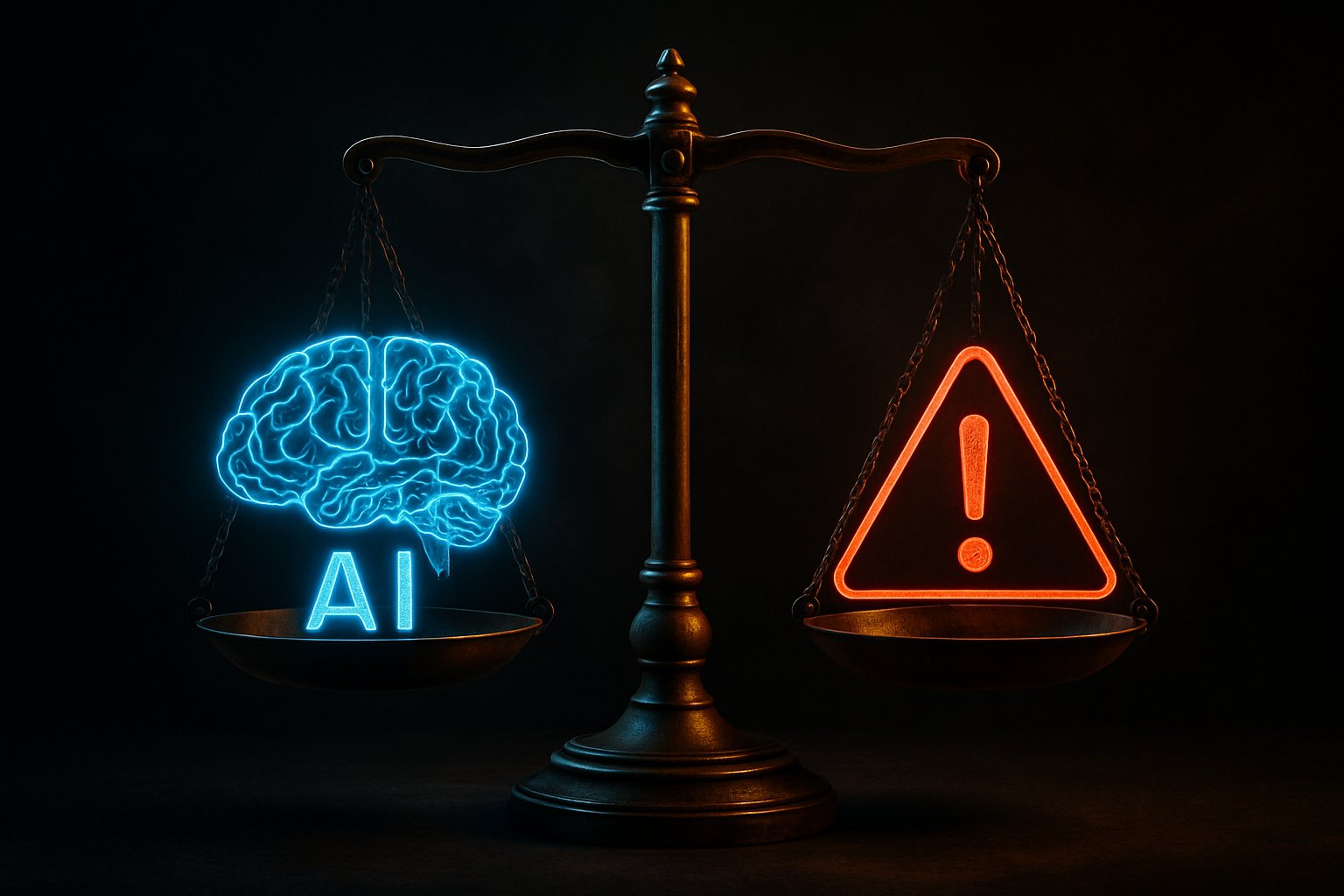
This paradox exposes deep Ethical Concerns that shape workplace adoption journeys. Surveys, audits, and interviews reveal a widening gap between usage and confidence. Consequently, organisations must reconcile productivity gains with reputational, legal, and labour risks. The following analysis explores why Worker skepticism is rising and how leaders can respond. Moreover, it outlines frameworks, standards, and certifications that guide responsible deployment.
Adoption Yet Rising Distrust
Stack Overflow’s 2025 survey captured the tension clearly. Eighty-four percent of developers use or plan to use AI tools. In contrast, only 33 percent trust the outputs, and 46 percent express outright Distrust.
Similarly, McKinsey and KPMG polls show strong uptake across general employees. However, respondents hesitate to rely on results without oversight or training. They instead trust their employer’s governance more than technology vendors.
This adoption-but-doubt pattern underscores persistent Ethical Concerns among every Worker cohort. Consequently, leaders cannot equate usage metrics with real confidence. These numbers set the stage for deeper reliability questions.
Usage is soaring while confidence lags. Therefore, understanding accuracy failures becomes the next priority.
Accuracy Audits Raise Alarms
NewsGuard’s August 2025 audit offers sobering evidence. The ten leading Generative systems repeated false claims in 35 percent of news answers. Moreover, refusal rates dropped to zero, signalling an aggressive answer-everything stance. Such misinformation heightens Ethical Concerns inside newsrooms and research labs.
Experts warn that responsiveness now trades off against factual Safety. Consequently, users receive swift responses yet face higher misinformation exposure. Anthropic’s Claude fared better, but variance still worries auditors. NewsGuard analysts attribute the slide to weaker source verification during model fine-tuning.
These findings compound Ethical Concerns because workers must verify every important statement. Developers report lost time debugging hallucinated code segments generated with high confidence. Raters echo the frustration when they later moderate similar errors in production.
Accuracy audits spotlight systematic weaknesses that fuel employee Distrust. Subsequently, attention shifts toward the people Moderating those outputs.
Hidden Workers Voice Concerns
Behind every polished interface stands a vast human labour pyramid. Quality raters label data, edit tone, and flag harmful content for Moderating guidelines. Nevertheless, many remain contractors with low pay and uncertain futures.
Over 200 Google Gemini raters lost roles during the 2025 ramp-down, according to media reports. The Guardian interviewed several who now advise family to avoid the systems they helped refine. One Worker remarked, “AI is a pyramid scheme of human labor.”
Such testimony intensifies Ethical Concerns about transparency, compensation, and influence over deployment decisions. Furthermore, layoffs reduce the skilled Safety buffer these raters provide. Consequently, remaining staff feel pressured to rush Moderating tasks to meet quotas.
Raters’ experiences expose the human cost beneath automated narratives. Meanwhile, policymakers attempt to codify protections through standards and guidance.
Governance Standards Gain Traction
Regulators and standards bodies now move from rhetoric to prescriptions. NIST released the AI RMF Generative AI Profile to catalog domain-specific risks and mitigations. Additionally, the framework maps hallucination controls across govern, map, measure, and manage functions.
Corporate compliance teams leverage the profile to update policies and training. Therefore, they hope to strengthen Safety without sacrificing productivity. Professional credentials also emerge to signal practitioner competence in ethical deployment. ISACA and PwC echo the call, urging continuous risk mapping across supply chains.
Professionals can enhance their expertise with the AI Supply Chain™ certification. Such programs embed Ethical Concerns and risk controls into project routines. Consequently, certified leaders can champion responsible innovation across teams.
Standards and certifications address Ethical Concerns head-on. In contrast, ignoring them leaves businesses exposed to cascading operational dangers.
Business Implications And Risks
Productivity gains remain real and measurable. McKinsey cites double-digit efficiency improvements for routine drafting tasks. However, any public failure erodes brand equity faster than the savings accumulate. These Ethical Concerns can outweigh efficiency gains if unmanaged.
Legal exposure also rises when misinformation harms clients or violates regulations. Therefore, boards demand continuous oversight, bias testing, and incident response drills. Worker morale suffers if leaders downplay these Ethical Concerns in pursuit of speed.
- Reputational damage from widely shared errors.
- Compliance fines under emerging AI laws.
- Productivity gains when used for draft generation.
- Talent retention boosted by transparent governance.
Shareholder activists already interrogate boards about AI insurance, audit rights, and incident disclosures. Consequently, proactive reporting can reassure markets and avert punitive capital costs.
These points illustrate the delicate trade-off enterprises now navigate. Accordingly, leaders need actionable trust-building steps.
Building Durable Future Trust
Practical routines can shrink the adoption-trust gap. First, integrate structured human review where stakes are high. Secondly, allocate budget for continuous Moderating rather than ad-hoc gigs. Early pilots should target low-risk domains to build institutional muscle before scaling ambitious projects.
Third, publish transparent reliability metrics using NewsGuard-style red teaming. Moreover, tie vendor contracts to measurable Safety thresholds and refusal policies. Finally, cultivate open dialogue so every employee can raise issues safely.
These tactics address Ethical Concerns while preserving Generative efficiency benefits. Subsequently, organisations earn durable trust from staff, customers, and regulators.
Trust grows when actions, not slogans, guide development choices. Nevertheless, vigilance must remain constant as models evolve quickly.
Generative AI now permeates modern workflows, yet trust metrics lag progress. Audits show factual gaps; workers describe fragile job conditions; regulators respond with structured frameworks. Consequently, Ethical Concerns sit at the center of every responsible roadmap. Leaders can narrow the gap by adopting NIST guidance, funding continuous Moderating, and rewarding transparent communication. Furthermore, credentials like the AI Supply Chain™ program signal commitment to strong Safety standards. Take decisive steps today and transform uncertainty into competitive advantage. Ignoring this Distrust invites backlash and regulatory scrutiny.


