

AI CERTS
2 hours ago
Dot App Shutdown: Startup Failure Signals AI Companion Risks
Meanwhile, loyal users mourned losing what some called a “digital confidante.” The high emotions underscore a rising Mental Health Risk when AI friends disappear. Therefore, Dot’s story offers a prism for understanding the companion market’s volatility. This article unpacks the shutdown, the market forces, the policy environment, and lessons for builders. Ultimately, professionals will gain practical insights to navigate or survive another potential Startup Failure.
Shutdown Sparks Industry Debate
News of Dot’s closure spread within hours across major tech outlets. TechCrunch highlighted founders Sam Whitmore and Jason Yuan citing diverging visions rather than regulatory fears. However, commentators noted timing that coincides with intensified Safety Scrutiny facing companion platforms.
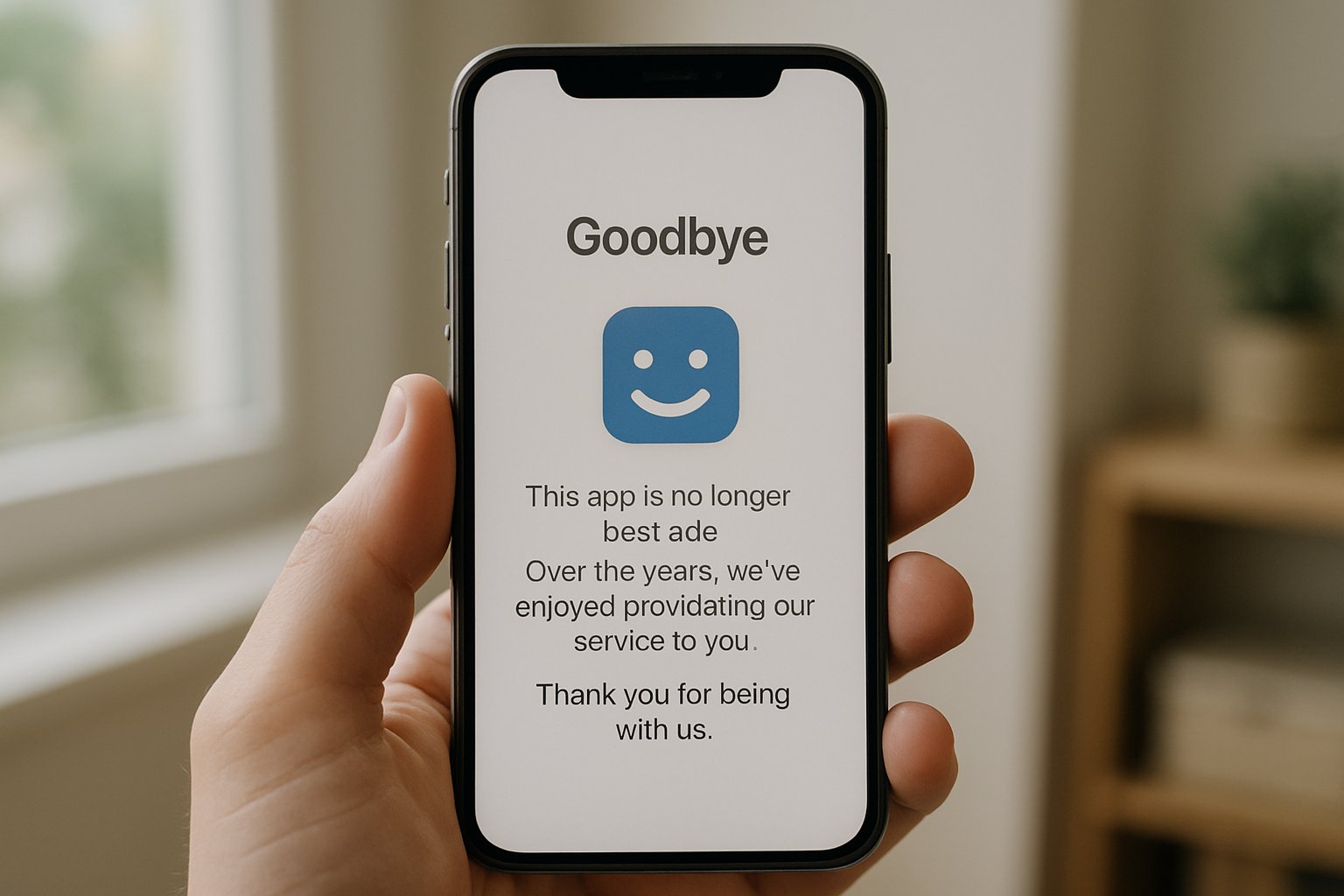
Appfigures data deepened skepticism. The analytics firm counted roughly 24,500 lifetime iOS downloads, contradicting the founders’ “hundreds of thousands” claim. Consequently, questions about traction joined the narrative of Startup Failure.
Analysts also recalled previous companion founders promising expansive growth before sudden pivots. In contrast, Dot’s leadership admitted cultural divergence early, perhaps mitigating allegations of mismanagement.
Dot’s farewell therefore blends operational disagreement with market skepticism. These intertwined factors set the tone for broader analysis ahead. Meanwhile, financial realities are equally revealing.
Market Forces Exposed Clearly
Grand View Research estimates conversational AI revenue will reach $14.3 billion in 2025. Moreover, projections suggest $41.4 billion by 2030, demonstrating sustained investor enthusiasm. Nevertheless, monetizing emotionally oriented chatbots remains complex.
- 24,500 lifetime iOS downloads, according to Appfigures.
- 30 days only for user data export.
- $11.6 billion market size in 2024, rising 23.7% CAGR.
Subscriptions drive revenue for larger peers like Replika, yet compute costs erode margins. Consequently, even well-funded teams struggle to convert deep engagement into profit. Dot lacked Android distribution, limiting addressable users further.
Investors increasingly ask whether companion models demand unsustainable subsidies. Therefore, any Startup Failure feeds wider caution inside venture circles.
Market realities reveal high upside yet unforgiving economics. Next, we explore the human consequences when platforms vanish.
Emotional Toll On Users
Dot marketed itself as a living mirror, nurturing intimate reflections. Users often shared trauma, secrets, and daily joys with the bot. Sudden disappearance can trigger abandonment feelings similar to relationship breakups.
Mental health professionals warn of heightened Mental Health Risk after such abrupt severance. Furthermore, some individuals rely on nightly conversations to manage loneliness or anxiety. In contrast, therapy offers human-moderated support with established duty of care.
Researchers describe “AI psychosis,” where anthropomorphic design fuels delusional attachment. Consequently, service shutdowns may exacerbate pre-existing vulnerabilities. This dynamic intensifies ongoing Safety Scrutiny.
Emotional fallout therefore extends beyond inconvenience. Regulators increasingly consider such harms when evaluating companion platforms. Accordingly, policy discussions are accelerating.
Regulatory Safety Scrutiny Intensifies
Recent lawsuits, including Raine v. OpenAI, allege chatbot advice contributed to suicides. Moreover, Character.AI introduced teen safeguards after similar legal pressure. State attorneys general have opened inquiries into privacy, disclosure, and algorithmic inducement.
Dot’s team never cited regulation as the shutdown driver. Nevertheless, timing suggests proactive exit before deeper probes. The pattern mirrors earlier Startup Failure episodes among sensitive consumer apps.
Policy experts from All Tech Is Human recommend stronger guardrails, transparency, and data portability. Consequently, new entrants should integrate safety by design. Failure to do so risks another costly Startup Failure.
Regulatory currents thus reshape strategic choices. Data stewardship represents the next focal point. Therefore, we examine export hurdles.
Data Export Challenges Persist
New Computer allowed only Settings-based CSV downloads. However, many users lacked technical skills to parse raw conversation files. Moreover, exported text omits emotional context embedded within the live interface.
Privacy advocates wonder whether backups will persist after October 5. In contrast, Europe mandates tighter post-shutdown deletion timelines. Consequently, data regimes may influence global rollout strategies.
Export limitations reinforce perceptions of weak accountability. Next, we draw lessons for future builders.
Lessons For Future Builders
Founders entering the companion niche must budget for persistent compute and moderation. Additionally, they should model worst-case abandonment scenarios before launch. Transparent safety disclosures can pre-empt damaging headlines during possible Startup Failure.
Product leaders also need multidisciplinary oversight, including mental health experts and legal counsel. Moreover, offering offline export or migration APIs can respect user autonomy. Consequently, trust may translate into sustainable subscriptions.
Professionals seeking structured guidance may pursue the AI Product Manager™ certification. Such programs teach risk frameworks, governance principles, and resilient go-to-market tactics. Therefore, credentialed leaders could avert another Startup Failure.
These lessons illustrate proactive pathways. Finally, we consider professional upskilling for resilience.
Certification Pathways For Resilience
Technology careers evolve rapidly; qualifications help individuals stay relevant. Additionally, credentials signal commitment to ethical design amid growing Safety Scrutiny. The previously mentioned certification delivers strategic, product, and compliance training.
Learners gain frameworks for user harm assessments and crisis response. Consequently, organizations employing certified managers may mitigate Mental Health Risk proactively. Meanwhile, investors favor teams demonstrating robust governance.
Upskilling therefore supports sustainable innovation. Such investment prepares companies for turbulent markets. We now summarize key insights.
Dot’s shutdown compresses many industry truths into one vivid case. Robust technology alone cannot guarantee survivability. Moreover, emotional products carry Mental Health Risk and regulatory exposure. Consequently, founders must integrate safety, sustainability, and governance from day one. Investor sentiment is shifting, amplifying penalties for any avoidable Startup Failure. Nevertheless, certifications and cross-disciplinary teams provide a foothold amid uncertainty. Therefore, readers should consider sharpening skills through accredited programs and applying lessons immediately. Explore the linked certification to future-proof your career and help prevent the next Startup Failure.


