

AI CERTS
4 hours ago
Dot Ai, Wiliot Bring Ambient IoT AI to Industrial Tracking
Moreover, investors applauded the move, sending Dot Ai shares soaring nearly 60% on announcement day. Supply-chain leaders noticed as well, because continuous visibility promises dramatic labor and loss reductions. Meanwhile, analysts forecast 1.1 billion Ambient IoT devices shipping by 2030, underscoring scale potential. However, technical hurdles around metal surfaces and moisture still threaten reliability. Dot Ai claims a plasmonic folded ground plane solves those issues. Therefore, this report dissects the partnership, the technology and the business stakes. Throughout, we examine how Ambient IoT AI could reshape logistics, asset tracking, and broader factory operations.
Ambient Market Momentum Builds
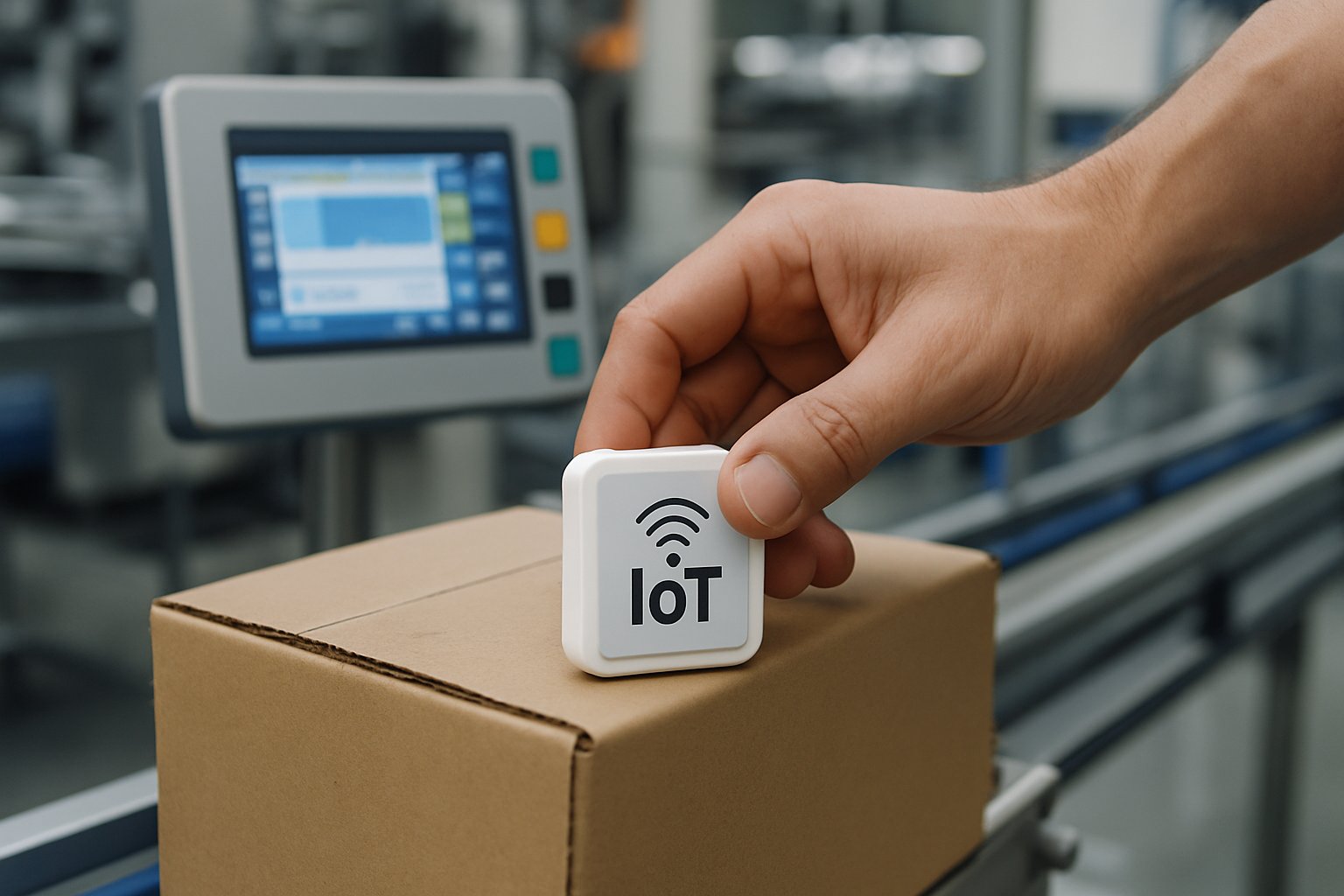
Market traction for Ambient IoT AI accelerated through 2025. Furthermore, Wiliot’s Walmart program targets 90 million IoT Pixel deployments by late 2026. Dot Ai executives highlight that milestone as clear validation of mass production economics. Additionally, ABI Research predicts 1.1 billion ambient devices will ship annually by 2030, illustrating explosive demand.
Numbers reveal why investors care:
- Smart beacon market growing at 20% CAGR, according to Mordor analysis.
- Identiv already manufacturing an initial 25 million Wiliot tags.
- Avery Dennison supplies additional capacity for rising orders.
Consequently, suppliers now scramble to secure silicon and antenna materials. Supply-chain leaders also re-evaluate workflows, because scan-free sensing promises leaner processes. Nevertheless, harsh environments present tougher RF challenges than retail aisles. The next section explains how the partnership intends to overcome those barriers.
Partnership Details Unpacked Clearly
Dot Ai will commercialize Ambient IoT AI powered Wiliot technology within factories, warehouses, and logistics nodes. The agreement spans three years. Moreover, the deal grants Dot Ai access to Wiliot’s cloud analytics and tag supply chain. In return, Wiliot benefits from Dot Ai’s rugged hardware expertise and factory sales channels.
Ed Nabrotzky said the partnership extends ambient intelligence into factory processes. Meanwhile, Wiliot’s leadership emphasized previous progress with Walmart as proof of readiness.
Therefore, the collaboration blends complementary strengths:
- Dot Ai enhances on-metal performance through proprietary antenna design.
- Wiliot supplies low-cost, energy-harvesting tags and AI cloud services.
- Joint go-to-market teams target high-value tracking use cases first.
Consequently, early pilots will focus on returnable transport items, tooling carts, and cold-chain bins. Each item type suffers from poor visibility today, especially within crowded logistics hubs. However, sustained success depends on robust field data, which we examine next.
Engineering Breakthrough Claims Examined
Battery-free Bluetooth tags often struggle near metal or liquid surfaces. Consequently, plant users avoid them where forklifts, steel racks, and moisture dominate. Dot Ai asserts it solved the issue using a plasmonic folded ground plane coupled with Wiliot’s chip. Additionally, the company introduced an Industrial Bridge reader designed for dusty, vibration-heavy zones.
Laboratory results shared by Dot Ai indicate doubled read ranges on stainless steel compared with unmodified labels. Nevertheless, independent validation remains pending. In contrast, earlier pilot programs from other vendors lost signal strength by 70% when mounted on kegs.
Furthermore, the Industrial Bridge can interrogate existing RFID and Bluetooth labels, easing migration. That multi-protocol approach appeals to supply-chain operators who resist forklift downtime. Ambient IoT AI proponents argue such versatility is essential for item visibility at scale.
These technical claims look promising. However, real factory floors will ultimately judge success. The following section explores application areas poised to test the hardware.
Industrial Use Cases Expand
Manufacturers lose parts daily because manual scans miss fast-moving bins. Ambient IoT AI can stream item positions without human intervention. Moreover, cold-chain operators must verify temperature every minute to meet regulations. Battery-free tags reduce maintenance, keeping steaks safe while slashing sensor costs.
Typical high-value scenarios include:
- Tooling carts traveling across welding cells
- Returnable containers circulating between suppliers and assembly lines
- Pallets moving through multimodal supply corridors
- Steel drums stored outdoors in wet yards
Additionally, warehouse robots can request live location data instead of scanning barcodes. Therefore, routing algorithms improve throughput and cut idle travel. Experts note that asset tracking accuracy often jumps from 70% to above 95% during pilot projects.
Professionals can enhance their expertise with the AI Marketing Strategist™ certification. Learning cross-domain analytics helps teams convert raw signals into actionable savings.
These early examples showcase tangible value. Subsequently, we assess market size and competitive dynamics.
Market Scale Outlook 2030
Analysts foresee rapid acceleration. ABI Research anticipates annual Ambient IoT AI shipments topping a billion units by decade’s end. Moreover, smart beacon revenue could reach several billion dollars worldwide as battery-free tags gain share.
Logistics providers already budget for full fleet rollouts in 2027 procurement cycles. Concurrently, retailers watch Walmart’s program, expecting proven inventory benefits. Factory buyers demand proof of durability, yet price curves continue falling as Identiv and Avery Dennison ramp production.
Consequently, Dot Ai projects multi-year recurring revenue from software subscriptions layered atop hardware margins. In contrast, pure tag vendors rely on razor-thin volumes. Asset tracking platforms that integrate AI, cloud, and logistics data may capture superior value.
Growth forecasts suggest abundant room for multiple players. However, the next section reminds readers that risks still lurk.
Risks And Caveats Persist
No emerging market grows without setbacks. Technical claims await peer-reviewed testing across varied plant sites. Moreover, Dot Ai remains a small-cap firm with volatile funding access. Consequently, supply crunches or cost overruns could delay deployments.
Data governance introduces further complexity. Ambient IoT AI streams continuous item information that may traverse consumer boundaries. Therefore, privacy regulation and corporate policy must evolve alongside the technology.
Additionally, large tag orders require flawless manufacturing, shipping, and customs coordination. Logistics disruptions, such as port slowdowns, can freeze rollouts for months. Nevertheless, diversified production partners reduce single-point failure exposure.
Finally, global macro conditions influence capital budgets for asset tracking projects. In contrast, recessionary pressures might actually accelerate automation investments seeking labor savings.
These hazards underline the need for cautious optimism. Accordingly, we distill actionable insights next.
Strategic Takeaways Moving Forward
Early evidence suggests the Dot Ai-Wiliot team holds differentiated antenna and reader technology. Furthermore, Ambient IoT AI momentum continues to build across retail and factory landscapes. Companies exploring pilots should start with constrained zones, such as finished-goods buffers, then expand.
Meanwhile, partner with integrators who understand material data flows and cybersecurity. Tracking success depends on harmonized cloud, edge, and process design. Moreover, battery-free tags must include lifecycle recycling plans to satisfy environmental audits.
Professionals should monitor signal-to-noise metrics during every phase. Ambient IoT AI deployments demand such vigilance. Consequently, technical audits will validate whether Dot Ai’s ground plane delivers promised gains. Additionally, cross-functional training remains vital as new data streams reach planners and finance teams.
Ambient IoT AI appears ready for broader scale, yet disciplined execution will differentiate winners. Forward-looking managers who align budgets now can capture productivity earlier.
Conclusion
Dot Ai and Wiliot illustrate how partnerships can push Ambient IoT AI from retail success into demanding industrial arenas. Moreover, engineering tweaks address historical RF pain points while cloud analytics convert sensor chatter into financial gains. Logistics managers anticipate leaner flows, and asset tracking specialists expect sharper accuracy. Nevertheless, tireless validation and careful governance remain mandatory. Professionals considering pilots should evaluate supplier stability, reader coverage, and data stewardship simultaneously. Consequently, organizations that act early could realize competitive advantages before market saturation. Explore certifications and thought leadership to stay ahead, and embrace Ambient IoT AI with informed confidence.


