

AI CERTs
3 months ago
Doom Narratives Threaten AI Investment Momentum
Regulators, founders, and policymakers are re-assessing artificial intelligence after a surge of sensational forecasts. Meanwhile, Nvidia CEO Jensen Huang argues that exaggerated “doomer” rhetoric risks chilling vital capital flows. His January 2026 comments on the No Priors podcast sparked heated debate. Many observers now ask a critical question. Will relentless talk of runaway superintelligence derail the practical work that actually secures AI systems? This article dissects the claims, data, and viewpoints driving the current AI Investment climate.
Debate Over Doom Talk
Huang faulted prominent experts for fueling end-of-world scenarios. Consequently, he warned that investors hesitate when public sentiment turns bleak. The Nvidia CEO insisted that dramatic headlines divert attention from engineering solutions. Nevertheless, safety advocates counter that alarmist framing forces necessary oversight. These opposing narratives define today’s boardroom conversations.
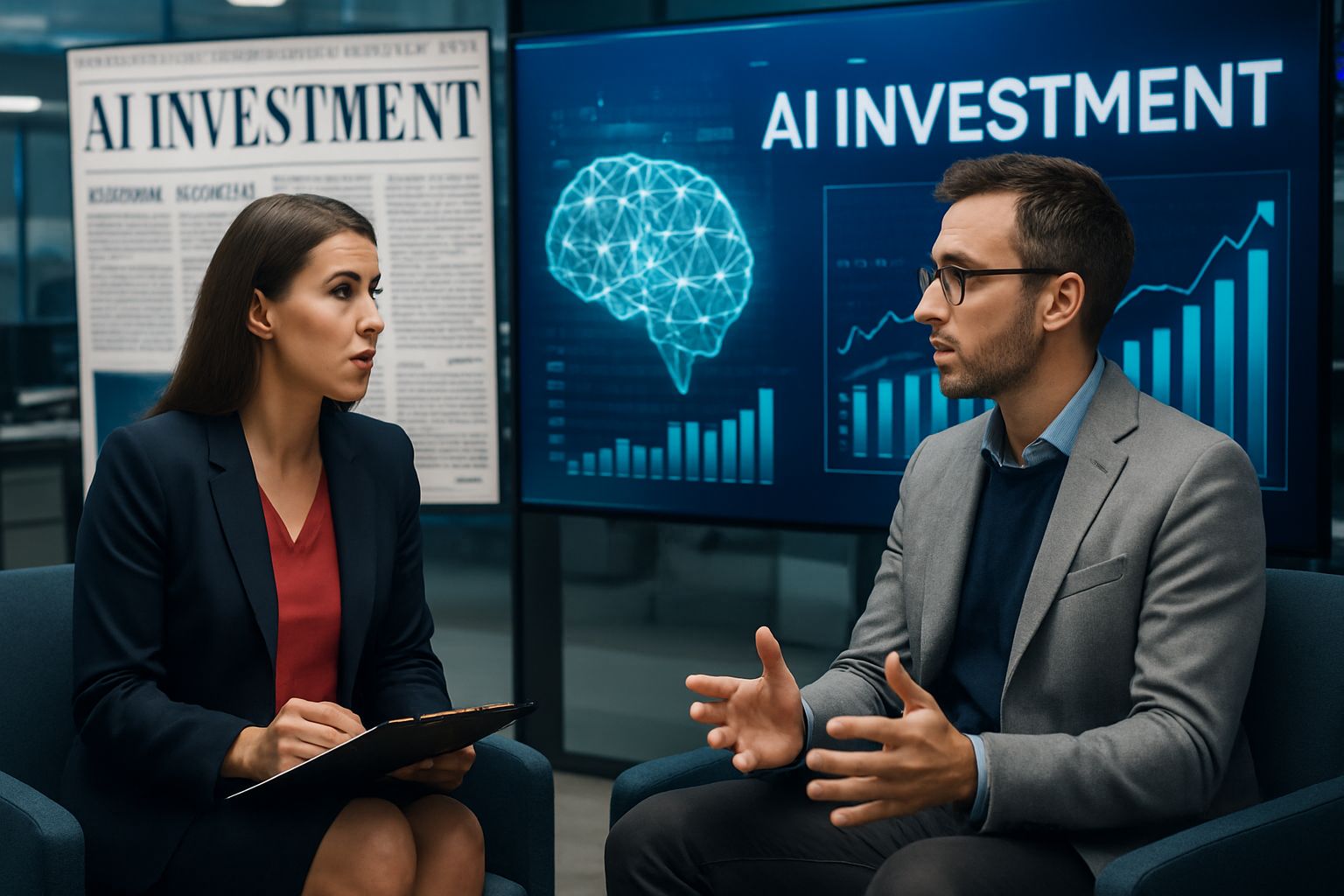
Such tensions set the stage for capital allocation shifts. However, understanding numbers behind sentiment remains essential. These points underscore why the debate matters. Consequently, the next section reviews hard evidence.
Market Numbers Reveal Trends
Stanford’s 2025 AI Index reports United States private funding reached $109.1 billion in 2024. Moreover, 78% of surveyed firms adopted AI tools, up sharply from 55% a year earlier. Despite growth, funding skews toward a handful of frontier-model builders. Record totals therefore coexist with narrowing deal counts.
- Global private funding exceeded $200 billion in 2024.
- Mega-rounds above $1 billion represented 60% of dollars raised.
- Safety-tooling startups captured under 5% of total capital.
These statistics complicate claims that negative messaging alone restrains AI Investment. Nevertheless, they highlight concentration risks. Therefore, market data provides context for leadership viewpoints discussed next.
Nvidia CEO Perspective Examined
The Nvidia CEO linked fear-laden discourse to regulatory capture. In contrast, he praised open competition and rapid safety engineering. “When 90% of messaging signals catastrophe, investors retreat,” he stated. Furthermore, Huang suggested that stalled dollars delay interpretability, monitoring, and red-teaming tools.
His stance aligns with Nvidia’s hardware outlook. Demand for advanced GPUs remains robust, supporting continued AI Investment across data centers. However, critics note Huang benefits when optimism escalates chip purchases. Consequently, observers must parse incentives carefully.
Overall, his remarks spotlight the delicate balance between caution and progress. Subsequently, we examine counterarguments from leading safety researchers.
Safety Voices Counter Arguments
Anthropic’s Dario Amodei warned that AI could erase half of entry-level white-collar jobs within five years. Moreover, groups like the Future of Life Institute argue for development pauses until guardrails mature. They claim market incentives alone underfund public-interest safety work.
In contrast, Huang views these calls as potential growth barriers. Nevertheless, even advocates concede that well-designed oversight needs steady AI Investment. Therefore, both camps share an interest in sustainable funding for robust safeguards.
These perspectives reveal a nuanced landscape. However, a third factor—capital concentration—further shapes outcomes, as the following section shows.
Capital Concentration Challenges Startups
PitchBook data indicates fewer total deals despite headline funding records. Consequently, smaller teams struggle to secure compute resources and attention. Character.ai’s pivot after a $2.7 billion Google deal illustrates rising barriers.
Moreover, inflated cloud costs limit experimentation with interpretability tooling. Startups pursuing safety platforms often seek single-digit million checks while hyperscalers raise billions. Such disparities complicate Huang’s assertion that rhetoric alone explains funding hesitancy.
Nevertheless, targeted initiatives can narrow gaps. Professionals can enhance their expertise with the AI Ethics Business Leader™ certification. Consequently, specialized talent may attract broader AI Investment in safety-first ventures.
These challenges stress the need for policy clarity. Therefore, we now explore legislative dynamics and expected impacts.
Policy Impacts And Outlook
EU lawmakers finalized the AI Act, imposing tiered requirements on model providers. Meanwhile, Washington agencies expand executive directives on transparency. Proponents claim such rules mitigate systemic risk. However, Huang warns that complex compliance favors incumbents.
Moreover, regulators increasingly reference existential risk narratives when drafting statutes. Consequently, the “doomer” frame influences rule scope and timing. Balanced guidance, therefore, could preserve competition while protecting consumers.
Future rulemaking will likely hinge on credible data regarding funding flows. Sustained AI Investment in safety research may reassure officials and temper restrictive proposals. Subsequently, a concise summary underscores key insights and next steps.
Conclusion And Next Steps
Huang’s critique spotlights how stories shape capital decisions. Market data confirms record spending yet warns of concentration. Safety advocates stress real harms and welcome oversight. Meanwhile, startups confront rising costs and messaging headwinds. Nevertheless, opportunities persist for ethical innovation supported by thoughtful AI Investment. Professionals should track policy shifts, engage in evidence-based debates, and build verifiable safety tools. Furthermore, earning credentials like the linked certification can strengthen credibility and attract funding. Act now to influence responsible progress in this pivotal field.


