

AI CERTs
2 hours ago
Digital Fabric Libraries Powered by AI Reshape Sampling
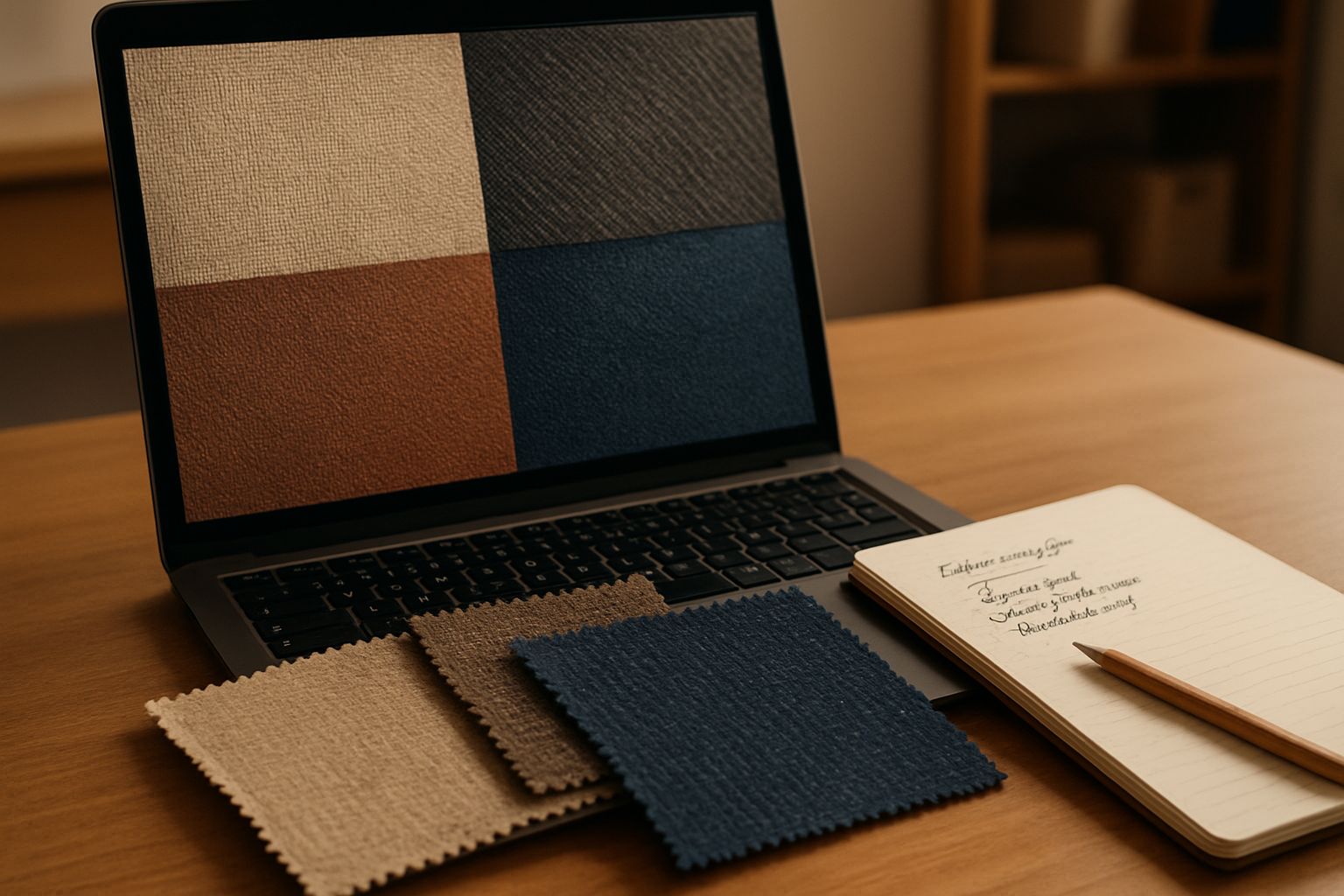
Sample rooms were once the loudest corners of fashion houses. However, Digital Fabric Libraries Powered by AI are now turning those rooms quiet. Designers view photoreal cloth, examine mechanical data, and approve swatches without cardboard hangers. Consequently, lead times shrink and shipping boxes vanish. Grand View Research still values digital textile equipment at USD 2.52 billion, yet the real disruption sits in cloud libraries and algorithms. Moreover, fashion digitization gains strategic speed as platforms consolidate assets and intelligence.
Simon Kim from CLO called July 2025 “a leap forward” when his firm bought swatchbook. That deal epitomized an industry truth: material content equals competitive power. Meanwhile, Material Exchange rolled out Frank, an AI sourcing aide embedding verified Higg data. These moves underline one fact. Digital Fabric Libraries Powered by AI have moved from pilot to platform. Brands that ignore the shift risk slower cycles and higher carbon footprints.
Market Momentum Accelerates Fast
Market watchers forecast healthy compound growth between 5% and 12% for digital textile technologies. Furthermore, Future Market Insights places the wider DPC segment in low-digit billions today. Adoption rates follow the money. The Interline reports brands trimming physical sample counts by up to 70% after embracing virtual workflows. In contrast, first-generation 3D projects rarely passed 40% savings. Better library fidelity now closes that gap.
CLO’s swatchbook acquisition created the sector’s largest store of digitized materials. Additionally, Browzwear’s Fabric Analyzer and Vizoo scanners feed thousands of new assets each quarter. Each scan includes drape, stretch, and spectral color data inside the U3M file. Therefore, material intelligence improves with every upload. Digital Fabric Libraries Powered by AI thus expand exponentially instead of linearly.
These numbers confirm a clear trajectory. Nevertheless, successful scaling demands tight integration. The next section explains how platforms are racing to own that integration.
AI Platform Consolidation Intensifies
Platform control now drives mergers, partnerships, and roadmaps. Moreover, 3D authoring suites merge with marketplaces to lock users in. CLO folded swatchbook into its ecosystem, while Style3D bought a majority stake in textile scanner startups. Meanwhile, Material Exchange partnered with Worldly to surface verified impact metrics inside Frank.
Frank answers queries like “nylon, 120-gsm, under $3, low CO2.” Subsequently, the AI filters suppliers, presents digital swatches, and links purchase orders. Every step relies on the same dataset. Digital Fabric Libraries Powered by AI therefore act as connective tissue between design, sourcing, and compliance.
However, interoperability remains fragile. Browzwear champions the open U3M format. In contrast, some rivals maintain proprietary standards to retain leverage. Consequently, brands must vet long-term data freedom when choosing partners. Consolidation brings scale yet can shrink choice. These dynamics shape measurable workflow impacts, discussed next.
Workflow Impacts And Metrics
Vendors pitch bold returns, but evidence is mounting beyond sales decks. The Interline interviewed a mid-market denim label that cut sample iterations from five to two within one season. Additionally, a sportswear factory reported 60% less courier volume after adopting digital twins. Such gains stem from three drivers:
- Rapid 3D prototyping uses dead-accurate drape data.
- Real-time collaboration eliminates mailing delays.
- Automated BOM transfer reduces re-entry errors.
Furthermore, sustainability metrics reinforce momentum. Material Exchange claims buyers now filter by Higg scores in 35% of Frank sessions. Digital Fabric Libraries Powered by AI anchor those queries with trustworthy data. Consequently, designers swap swatches in minutes, not days.
These statistics spotlight tangible results. Nevertheless, environment and ethics also influence adoption curves, as our next section shows.
Sustainability Data Meets Sourcing
Carbon disclosure rules tighten worldwide. Therefore, sourcing teams crave immediate impact numbers when picking materials. Worldly places Higg MSI data inside Frank’s chat window. Subsequently, users compare CO2 values alongside price and lead time. Moreover, digital twins spare water, chemicals, and fuel otherwise burned on sample freight.
Vendor models suggest each avoided physical sample saves up to 3 kg of CO2. Multiply that by thousands of annual SKUs, and the math persuades executives. Digital Fabric Libraries Powered by AI supply the verifiable baseline for those savings. Additionally, transparency boosts supplier accountability because bad data now surfaces instantly.
These environmental wins strengthen the business case. However, several challenges still temper expectations, covered next.
Persistent Challenges And Gaps
Tactile feel remains the loudest objection. Nevertheless, many brands now reserve one final “gold-seal” sample instead of five rounds. Color fidelity also falters because monitors differ and spectral references are missing. Furthermore, supplier readiness varies. Some mills can deliver U3M files instantly, while others still fax PDFs.
Interoperability splits workflows when proprietary formats collide. Additionally, staff retraining demands investment. In contrast, ignoring skills leaves expensive software unused. Overpromised ROI figures add risk because independent audits are scarce. Yet Digital Fabric Libraries Powered by AI still improve steadily as standards mature and prices drop.
These pitfalls require structured change programs. The next section outlines a practical playbook.
Implementation Playbook For Brands
Executives planning a rollout should follow a phased path:
- Pilot a low-risk category like tees or hoodies.
- Digitize core fabrics using Vizoo or FAB scanners in U3M.
- Sync libraries with PLM and ERP for seamless sourcing.
- Train pattern-makers on 3D drape validation.
- Audit digital versus physical fit before mass approval.
Furthermore, professionals can enhance their expertise with the AI Customer Service Specialist™ certification. That credential strengthens cross-functional communication essential for smooth adoption. Consequently, staff speak a common data language while handling virtual approvals.
These steps reduce friction early. Subsequently, leadership can scale pilots across divisions, informed by clear metrics. Our final section explores strategic outlooks.
Strategic Outlook And Actions
Market consolidation will continue as platforms chase network effects. Moreover, regulatory tailwinds will force richer sustainability data inside every digital asset. Therefore, brands that build robust, open libraries now will retain flexibility later. Digital Fabric Libraries Powered by AI will likely integrate real-time cost indices and predictive availability within two years.
Meanwhile, material intelligence will deepen thanks to machine-learning models trained on millions of drape simulations. Additionally, fashion digitization will bleed into consumer channels through virtual try-on and on-demand printing. Consequently, early movers will monetize assets across design, marketing, and retail.
These forecasts underscore an urgent call. However, success hinges on disciplined governance and continuous upskilling.
Conclusion
Physical swatch walls are fading, replaced by cloud shelves of data-rich fabric twins. Furthermore, the union of AI, sustainability metrics, and open standards delivers speed, savings, and accountability. Nevertheless, tactile gaps, color issues, and change management still require vigilance. Digital Fabric Libraries Powered by AI now sit center stage, guiding sourcing decisions and fueling fashion digitization. Consequently, informed leaders should pilot, measure, and refine their virtual sampling strategies. Ready to future-proof workflows? Explore certifications, elevate material intelligence, and join the new sample-less era.


