

AI CERTS
2 hours ago
DHS ESTA DNA Plan Spurs Biometric Surveillance Debate
Consequently, privacy advocates warn the move normalizes Biometric Surveillance at a global scale. The proposal is open for public comment until early February 2026. Meanwhile, DHS is separately drafting a rule to formalize DNA policies across immigration processing. This article dissects the notice, explains stakeholder positions, and outlines unanswered operational questions. Additionally, it explores how businesses can prepare while safeguarding traveler trust.
ESTA Proposal Key Points
CBP’s 40-page Federal Register filing revises the core Electronic System for Travel Authorization process. Importantly, it estimates 14.48 million annual mobile applicants completing the updated forms. Furthermore, the agency forecasts an average 22-minute burden for each respondent.
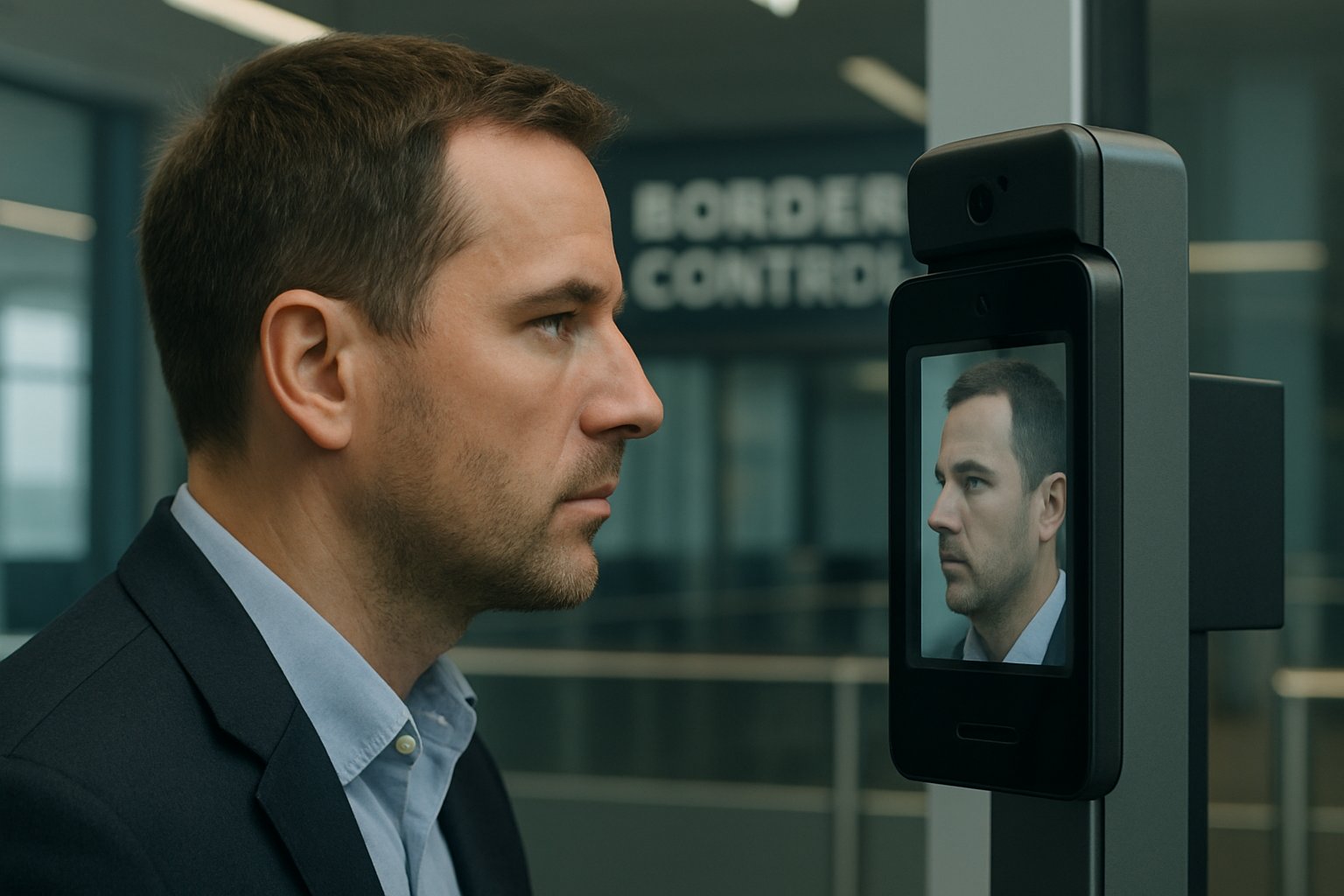
Under the revision, social-media identifiers become compulsory for every ESTA applicant. In contrast, new biometric fields remain conditional, flagged with the phrase “when feasible.” Those fields list face, fingerprints, iris images, and DNA scans as potential additions. Legal scholars highlight Fourth Amendment implications for foreign visitors, especially concerning genetic information.
- Estimated annual ESTA users: 14.48 million
- Average completion time: 22 minutes per submission
- Visa Waiver Program members: 42 countries
- Public comment deadline: early February 2026
CBP frames these additions as necessary for fraud detection and advanced vetting. Therefore, officials argue broader data will reduce imposter threats before Travel commences.
In summary, the notice expands social data now and reserves room for richer biometrics within Biometric Surveillance later. However, implementation specifics remain sparse, setting the stage for heated debate ahead. Consequently, our next section examines the controversial DNA dimension.
Emerging DNA Collection Debate
DNA scans immediately captured headlines despite their conditional status. Media outlets, including the Washington Post and Wired, clarified that DNA is not yet mandatory. Nevertheless, advocates fear a slippery slope rooted in past migrant sampling programs.
During 2024, CBP uploaded hundreds of thousands of migrant profiles to CODIS, including minors’ data. Subsequently, privacy groups labeled the practice “genetic surveillance” incompatible with limited immigration purposes. Moreover, they argue Biometric Surveillance becomes irreversible once genetic records spread across agencies.
Stevie Glaberson said, “Placing a four-year-old’s DNA in CODIS serves no travel security aim.” Consequently, civil-liberty lawyers see the ESTA notice as a testing balloon for broader DNA scans.
Experts agree the DNA question drives the fiercest reactions within the docket. Next, we explore concerns beyond genetics, focusing on speech and data scope.
Civil Liberties Concerns Rise
Mandatory social-media disclosure troubles activists who study Biometric Surveillance impacts on expression. Additionally, analysts warn misinterpreting sarcasm or political dissent could wrongly flag harmless visitors. The ACLU contends such errors may escalate secondary screening or entry denial without recourse.
- Data over-collection enabling profiling
- Mission creep expanding beyond stated goals
- Chilling effect on online speech
Moreover, the immutable nature of DNA means breaches cannot be remedied through password changes. In contrast, typical Biometrics like fingerprints can be rotated out of some systems. Therefore, critics claim combining social data with DNA scans multiplies surveillance power exponentially. Judges have yet to test these disclosures against proportionality standards in administrative law.
To summarize, rights groups see the proposal as disproportionate to stated threats. However, supporters cite national-security advantages, which we detail next.
Potential Security Benefits Explained
CBP argues richer datasets enable earlier detection of fraudulent passports and stolen identities. Furthermore, automated matching across face, fingerprints, and Biometrics reduces manual officer workload within the broader Biometric Surveillance framework. The agency cites Executive Order 14112 directing enhanced vetting standards. Machine learning models can correlate disparate signals, but transparency into model governance remains limited.
Proponents also note that DNA scans could verify family ties in trafficking cases. Consequently, they say false parental claims would be exposed without lengthy interviews. Advanced biometrics pipelines already support airline boarding programs in Atlanta and Dubai. Industry stakeholders emphasize that early analytics lower airport congestion and improve Travel throughput. Nevertheless, they concede transparent governance is essential to preserve public confidence.
In short, security advocates balance efficiency gains against privacy trade-offs. The following section addresses procedural gaps that complicate implementation.
Operational Questions Remain Unanswered
The Federal Register notice never explains how officers would capture DNA at busy entry points. Additionally, it omits retention periods for genetic material and derived profiles. Moreover, the document is silent on database sharing with CODIS or foreign partners despite the Biometric Surveillance ambitions.
USCIS’s parallel rulemaking offers slightly more detail yet still defers key technical protocols. Subsequently, observers question whether infrastructure costs were fully assessed in budget models. In contrast, CBP endorses a mobile-only ESTA platform without clarifying offline contingencies. Budget analysts also question whether new hardware procurement aligns with federal acquisition schedules. Servers, secure kiosks, and encryption modules could incur multi-year costs beyond initial projections.
Airlines and airports remain unsure about staffing swab stations during peak holiday Travel seasons. Therefore, business groups demand pilot studies before nationwide launch.
Clearly, logistical unknowns rival privacy concerns in shaping the final outcome. Industry reaction and timeline pressures merit closer attention next.
Industry Response And Timeline
Tourism boards fear Biometric Surveillance anxiety will deter high-spending visitors. Meanwhile, European officials hint at reciprocal requirements if DNA scans become mandatory. Consequently, airlines lobby for harmonized international standards to avoid route disruptions. Auditors recommend routine public reports detailing match accuracy and false positive rates.
The public comment docket already features submissions from privacy NGOs, hotel associations, and tech vendors. Furthermore, commenters consistently request impact assessments comparing Biometrics benefits with economic costs of Biometric Surveillance. Technology vendors offer edge computing tools that hash data on device to minimize central storage. Such techniques may satisfy some privacy objections without sacrificing analytical utility. Independent oversight boards could strengthen confidence if granted real investigative powers.
Professionals advising governments can enhance expertise with the AI Government Specialist™ certification. Such credentials prepare leaders to balance innovation, compliance, and civil liberties.
Ultimately, timeline clarity and guidance will decide whether stakeholder support solidifies. Next, we summarize major findings and recommend actions.
Key Takeaways
DHS’s ESTA revision signals a decisive shift toward expansive Biometric Surveillance. The proposal mandates social-media disclosure for ESTA now and contemplates face, fingerprints, iris, and DNA capture later. However, DNA scans remain aspirational until feasibility, legality, and infrastructure questions receive answers. Privacy advocates warn mission creep and genetic misuse, while security officials tout faster risk detection for cross-border travel. Consequently, businesses, tourists, and lawmakers must engage during the comment period to steer balanced policy. Moreover, professionals can upskill through certifications and prepare adaptive compliance programs. Biometric Surveillance will shape border processes for decades; proactive engagement today defines its boundaries tomorrow.


