

AI CERTS
2 hours ago
Developmental Approval Delays Stall Vibe Coding Surge
Furthermore, Apple App Store saw a 24% spike in submissions during 2025, driven by AI tools promising rapid creation. Nevertheless, escalating enforcement under Guideline 2.5.2 and new security audits extend queue times. These moves, combined with reports of low-quality builds reaching consumers, threaten the sustainability of current pipelines.
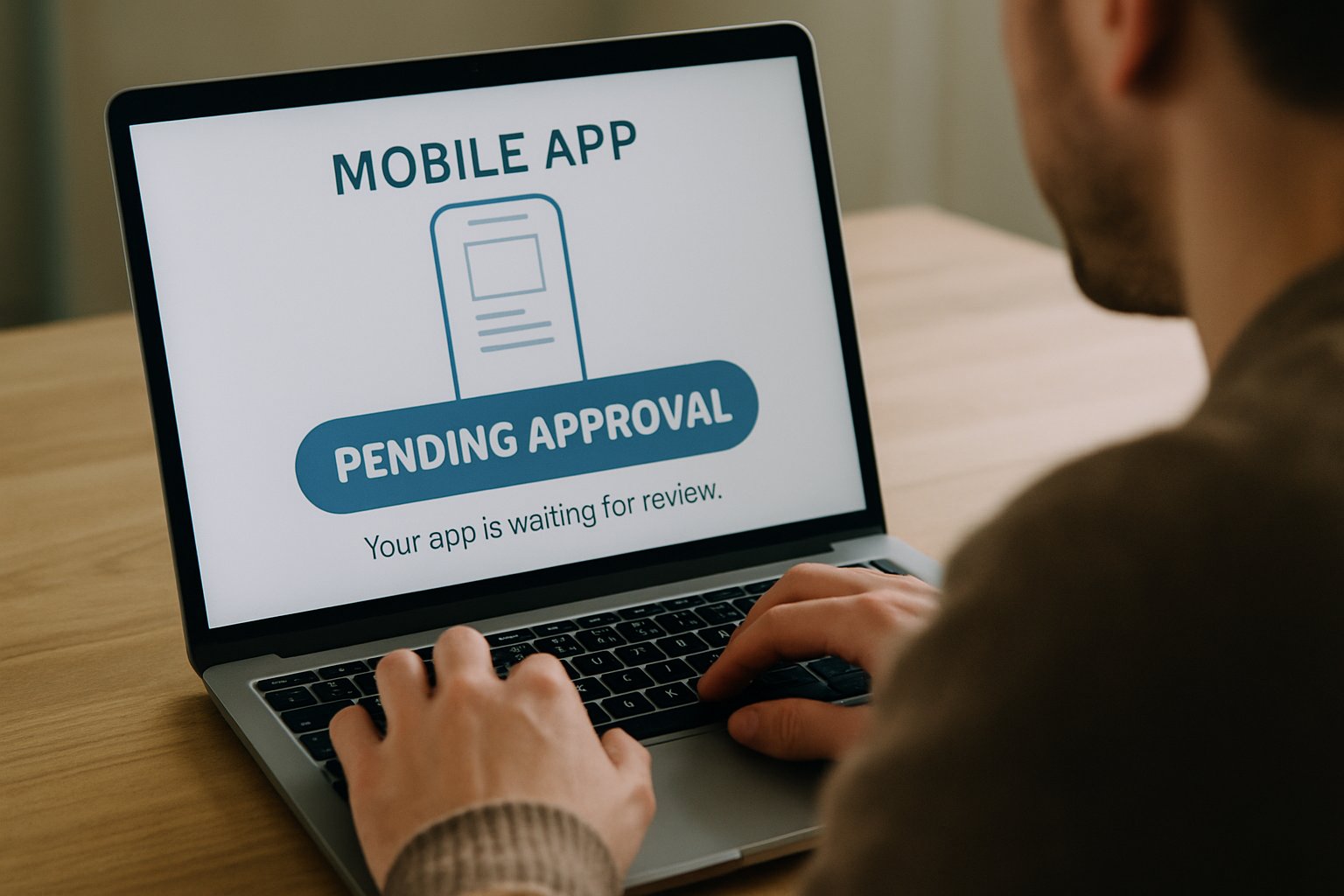
This article investigates the slowdown, highlights critical data, and outlines next steps for engineering leaders. Each section connects quantifiable evidence with practical guidance, ensuring readers navigate Developmental Approval Delays with confidence.
Foundations Of Vibe Coding
Vibe coding describes large language models that convert plain prompts into complete application scaffolds. Moreover, agent workflows now chain tasks like database modeling, testing, and deployment.
Consequently, non-technical founders embrace what many call a no-code renaissance. Tools such as Lovable or Replit advertise rapid creation without deep engineering overhead.
Nevertheless, experienced developers warn of the prototype wall. Projects that ignore governance often collapse into software slop before passing production audits.
These fundamentals reveal undeniable speed benefits. However, they foreshadow tensions driving Developmental Approval Delays across marketplaces.
With roots clear, we turn to the numbers underlying today’s bottlenecks.
Submission Surge Data Points
Appfigures reports 557,000 new iOS submissions during 2025. Furthermore, that figure represents a 24% yearly increase and the largest jump since 2016.
Analysts tie the rise to vibe coding platforms that promise rapid creation and near-instant publishing. In contrast, download volume for dedicated mobile vibe builders stayed modest.
Consider Instance, which saw 16,000 downloads and roughly $1,000 in consumer spend. Meanwhile, Vibe Studio attracted only 4,000 users and zero recorded revenue.
- 557,000 iOS submissions in 2025 (+24% YoY)
- Instance: 16,000 downloads, ~$1,000 spend
- Vibe Studio: 4,000 downloads, $0 spend
- 95% of surveyed devs reworked AI code
Developers still uploaded aggressively, yet 95% of surveyed engineers admitted reworking AI code before release. Consequently, review teams faced swollen queues filled with potential software slop.
These statistics spotlight volume pressures fueling Developmental Approval Delays. Therefore, platform policy reactions deserve close inspection.
The next section unpacks Apple’s shifting posture.
Apple Enforcement Tightens Rules
Apple App Store reviewers grew wary of apps that generate or execute unreviewed code. Moreover, March 2026 actions removed Anything and blocked similar updates citing Guideline 2.5.2.
Developers complain that routine bug fixes now wait extra days or weeks. Consequently, Developmental Approval Delays ripple across feature roadmaps and investor commitments.
Nevertheless, Apple defends the stance, arguing that in-app compilers could bypass parental controls and privacy protections. The company suggests official APIs rather than unrestricted no-code editors.
Meanwhile, some founders explore web export paths to avoid store oversight. Others integrate static generation to satisfy Apple App Store policies without sacrificing rapid creation value.
These trade-offs illustrate governance challenges. However, security concerns amplify the stakes beyond marketplace friction.
Accordingly, we now examine vulnerability trends.
Security Debt Mounting Fast
Snyk researchers warn that vibe coding can spawn catastrophic vulnerabilities. Additionally, automated pipelines propagate configuration errors before human review occurs.
In contrast, seasoned teams layer static analysis and penetration tests around generated code. Nevertheless, many indie makers ignore these steps, shipping software slop that leaks data.
Fastly’s developer survey revealed 95% of respondents spent extra hours correcting AI output. Moreover, remediation time erodes the promised rapid creation advantage.
Consequently, enterprises mandate gated workflows and certifications for engineers using agent tooling. Professionals can enhance their expertise with the AI+ Quantum Developer™ certification.
Security debt therefore links directly to Developmental Approval Delays. Tight governance policies now define competitive advantage.
The next section reviews market traction and investor sentiment.
Business Momentum Now Softening
Venture capital once chased vibe coding startups at dizzy valuations. However, falling retention and rising cloud bills temper enthusiasm.
Lovable reached $50 million ARR quickly, yet growth slowed as Developmental Approval Delays pushed feature backlogs. Investors now demand disciplined security budgets and clearer Apple App Store roadmaps.
Moreover, token costs for large models compress margins. In contrast, enterprise users often limit generation scope, reducing compute spend.
Meanwhile, consumers tire of redundant chatbots and template apps, labeling them software slop. Consequently, app discovery channels penalize duplicative designs.
Market fatigue underscores operational gaps exposed by Developmental Approval Delays. Yet policy proposals could unlock renewed growth.
We next explore those proposals.
Proposals And Future Paths
Industry bodies suggest tiered queues prioritizing established apps with active users. Furthermore, per-submission fees might deter low-quality no-code spam.
Moreover, Apple could embed official generators inside Xcode, reducing reliance on in-app compilers. Google signals similar intentions for Android Studio.
Security vendors propose mandatory automated scans before review. Consequently, Developmental Approval Delays would shift upstream, catching low-quality output earlier.
These ideas illustrate collaborative possibilities. However, teams still need actionable guidance today.
The final section offers pragmatic steps.
Strategic Steps For Teams
First, map generated components against existing threat models and licensing requirements. Secondly, reserve code review capacity before initiating any rapid creation sprint.
Third, maintain transparent metrics covering review duration, rejection reasons, and remediation cost. Moreover, correlate these metrics with Developmental Approval Delays to inform release calendars.
Finally, invest in continuous learning. Professionals may validate AI engineering skills through the AI+ Quantum Developer™ program, gaining credibility with App Store reviewers.
These actions reduce quality risks and strengthen stakeholder confidence. Consequently, organizations can navigate marketplace scrutiny while still leveraging no-code velocity.
In summary, vibe coding remains transformative, yet current approval bottlenecks expose critical maturity gaps. Nevertheless, disciplined processes, shared standards, and strategic certifications can restore momentum.
Therefore, review your pipelines today and pursue accredited learning pathways to stay ahead of evolving approval landscapes.


