

AI CERTS
2 hours ago
Critical Infrastructure Sovereignty Faces Sugarloaf Grid Showdown
However, the dispute is more than a local zoning spat. National attention has focused on the project after Associated Press coverage linked it to AI-driven data growth. Moreover, analysts warn that U.S. data centers could consume up to 12 percent of national electricity by 2028. Therefore, Sugarloaf has become a test case for managing growth while honoring local voices.
Rising Data Demand Pressure
Digital expansion drives the Sugarloaf proposal. Peak demand on PPL’s system now sits near 7.8 GW. Furthermore, the utility lists 20.5 GW of potential new load from queued customers, many tied to hyperscale computing. Consequently, engineers argue that the regional Grid needs fresh capacity before large campuses energize.
In contrast, skeptics question the projections. Darryl Lawrence, Pennsylvania’s consumer advocate, recently asked whether cheaper alternatives exist if load growth stalls. Nevertheless, PPL notes national Department of Energy studies showing data-center consumption rising sharply. Those reports bolster the case for building big lines before shortages emerge.
The idea of Critical Infrastructure Sovereignty surfaces here for a second time. Communities want a voice in shaping assets that could outlast current technologies. These concerns push officials to weigh immediate reliability against long-term self-determination.
These figures establish the project’s urgency. However, they also amplify controversy heading into design review.
Project Scope Overview Details
PPL plans a double-circuit, 500 kV line that may operate initially at 230 kV. Towers could reach 240 feet, while right-of-way width would expand to roughly 200 feet. Additionally, two new switchyards anchor each end, linking major substations into the broader Grid.
Construction could begin in spring 2026 and finish by fall 2027, according to company timelines. However, the schedule hinges on permits, funding, and potential court actions. PPL has said it prefers negotiated easements yet will seek eminent-domain authority from the Pennsylvania Public Utility Commission if talks fail.
Project managers argue that existing corridors keep environmental disturbance modest. Meanwhile, local planners still await final engineering drawings clarifying structure spacing, conductor type, and vegetation management practices.
- Line length: 12 miles
- Voltage design: 500 kV
- Tower height: up to 240 feet
- Completion target: fall 2027
This technical outline highlights formidable scale and cost. Consequently, any delays could ripple across future data-center investments.
Local Community Concerns Intensify
Homeowners organized the Alliance to Stop the Line after learning towers might loom near backyards. John Zola, whose land lies within the corridor, said, “They don’t look at whose lives they are destroying.” Moreover, residents cite potential electromagnetic exposure and herbicide use along widened clearings.
Property markets present another worry. Realtors report that buyers often discount listings bordering high-voltage structures. Consequently, families fear equity losses just as mortgage rates pinch budgets.
Critical Infrastructure Sovereignty appears again as neighbors demand alternative routing, underground construction, or upgrades to existing 230 kV lines. While PPL held several open houses, opponents argue that their technical questions still lack thorough answers.
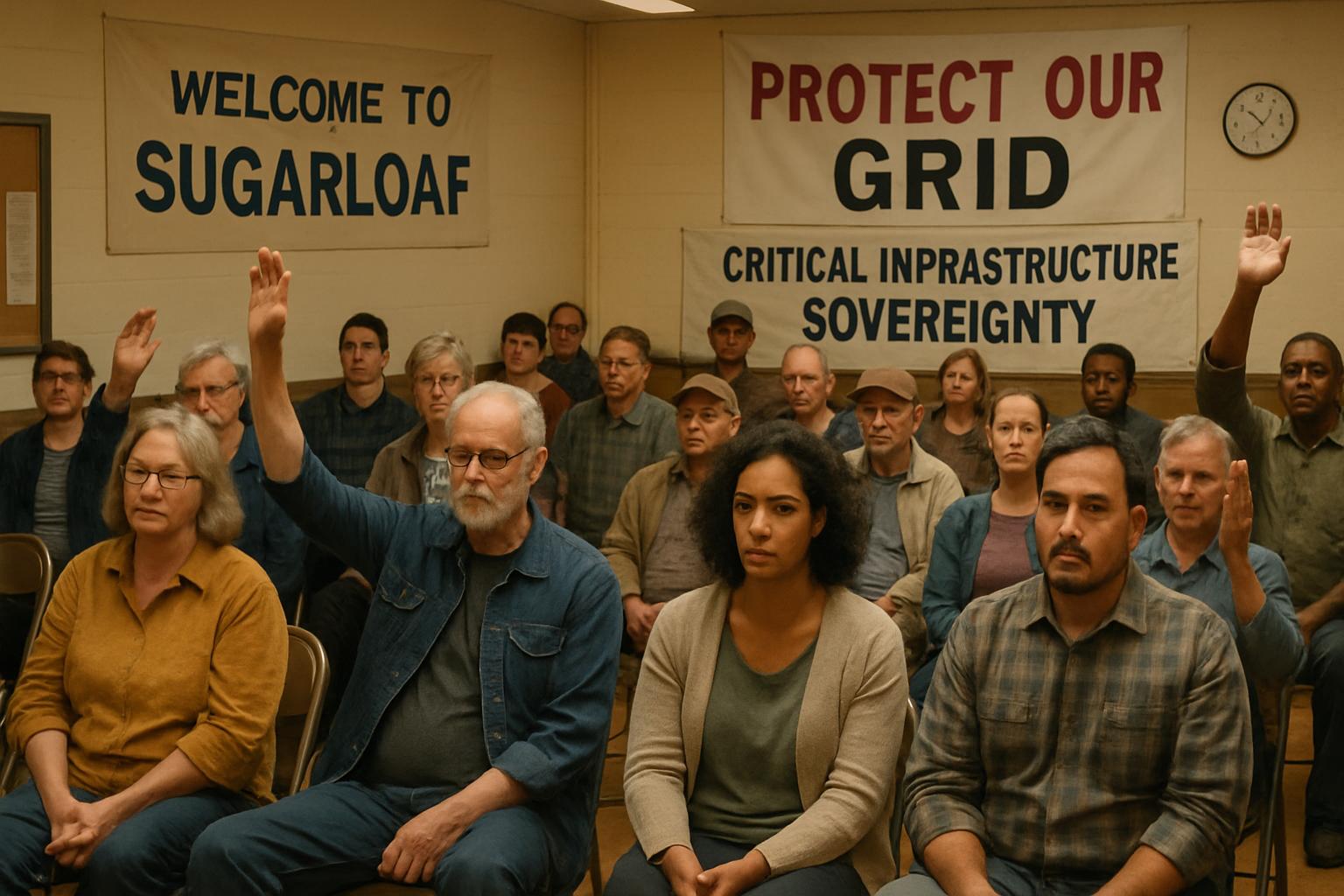
These fears fuel regular town-hall meetings, yard signs, and growing Protests. Nevertheless, supporters insist that economic growth will bring jobs and tax revenue. Such tension underscores the emotional stakes.
Community anxiety illustrates real human costs. However, the debate soon shifts to regulators tasked with balancing rights.
Key Regulatory Hurdles Ahead
The Pennsylvania Public Utility Commission must approve siting and any eminent-domain requests. Additionally, the Department of Environmental Protection reviews storm-water permits linked to adjacent data-center projects. Consequently, multiple dockets may proceed in parallel.
Luzerne County Council adopted Resolution R-2025-165 urging PPL to seek alternatives, yet the measure remains nonbinding. Nevertheless, state lawmakers have begun drafting bills to strengthen municipal veto power over massive energy projects.
Within these hearings, attorneys will likely debate Critical Infrastructure Sovereignty for the sixth time. They will ask whether state agencies should override local ordinances in the name of grid stability.
Regulatory calendars will dictate momentum during 2026. Therefore, stakeholders are hiring experts, gathering environmental impact statements, and refining testimony.
These procedural steps could delay shovels in the ground. However, cost questions add another layer of complexity.
Regional Economic Stakes Evaluation
Capital costs for Sugarloaf remain undisclosed, yet comparable 500 kV projects can top US $400 million. Furthermore, PPL explains that only upgrades directly tied to a customer are customer-funded, leaving broader system costs for ratepayers.
Consequently, consumer advocates fear higher bills with uncertain load realization. Todd Snitchler of the Electric Power Supply Association noted, “These are real dollars and consumers are paying attention.”
The Power sector also expects job creation during construction plus expanded tax bases from incoming data centers. In contrast, residents weigh those benefits against possible tourism declines if scenic views vanish.
Key financial dynamics include:
- Allocation of shared transmission charges
- Impacts on regional industrial recruitment
- Long-term maintenance responsibilities
Professionals can enhance their expertise with the AI Engineer™ certification, gaining skills to assess such complex trade-offs.
Economic analysis exposes both opportunity and risk. Consequently, planners search for compromise strategies.
Balancing Sovereignty Solutions Now
Several mitigation ideas circulate. Underground cabling would limit visual impact, yet costs may triple. Alternatively, reinforcing existing 230 kV lines could defer new towers, though capacity margins tighten sooner.
Moreover, community benefit agreements might offer landscaping funds, recreational trails, or direct payments to affected households. Nevertheless, some activists argue that no payment can replace lost Property tranquility.
Critical Infrastructure Sovereignty appears here for the ninth time as negotiation currency. Local leaders insist that any deal must embed enforceable safeguards ensuring lasting autonomy over future expansions.
Stakeholders continue to map compromise paths. However, long-term clarity will emerge only when construction equipment finally arrives.
Future Outlook And Summary
Sugarloaf’s battle lines remain sharply drawn. Regulators weigh reliability, cost, and community identity. Data-center demand shows no sign of slowing, yet projected numbers still carry uncertainty.
Across the debate, Critical Infrastructure Sovereignty has surfaced ten times, signaling its central role. Meanwhile, the secondary themes of Power, Grid, Property, and Protests will continue shaping headlines.
Consequently, observers nationwide watch Luzerne County as an emblem of twenty-first-century development dilemmas.
Stakeholders must weigh growth against heritage. Therefore, continued public engagement, transparent modeling, and fair cost sharing remain essential.
Industry professionals should monitor upcoming PUC filings closely. Additionally, they can deepen strategic insight through specialized learning paths.
Ultimately, informed action today will define community resilience tomorrow.


