

AI CERTs
3 hours ago
Craig Federighi steers Apple’s cautious AI path
Apple’s AI roadmap again centers on Craig Federighi. The Information reports he vetoed an internal proposal to let generative models rearrange icons on the iPhone Home screen. Observers see the move as another sign of Apple’s deliberately paced approach. However, rapid market shifts force even cautious leaders to act decisively. Consequently, Federighi now directs most Siri and Apple Intelligence work. Meanwhile, the company leans on external models while refining its own.
Federighi's Recent Reported Decision
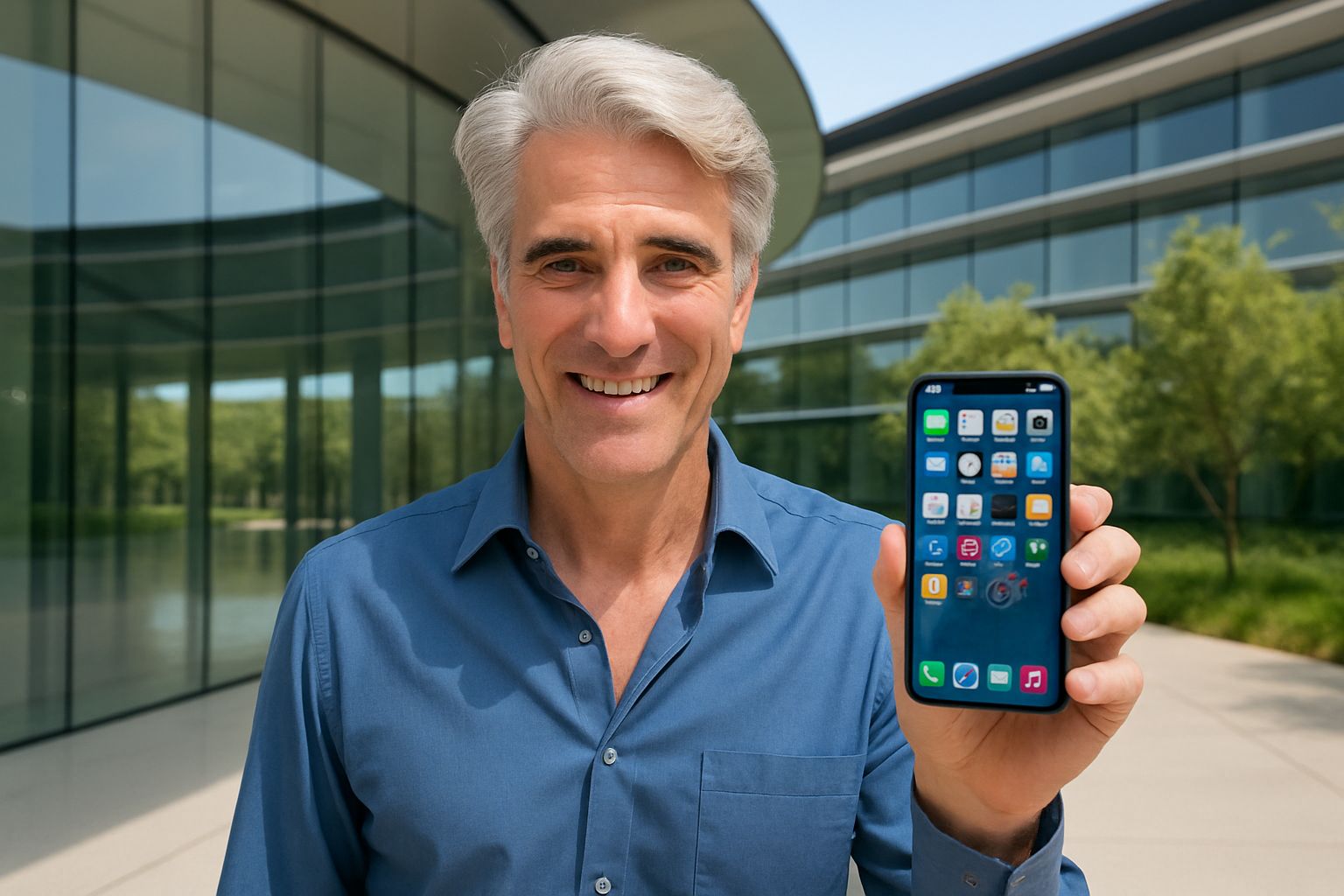
The scrapped feature would have used usage patterns to reorder apps. Designers hoped predictive placement might boost engagement. Nevertheless, Craig Federighi rejected the idea, fearing confusion. In contrast, Android users already see context-aware suggestions. Furthermore, internal sources described Federighi as valuing deterministic interfaces. They added that surprise changes could erode user trust.
These insights clarify Apple’s UX priorities. Yet, they raise questions about innovation speed. Accordingly, the next section dissects Apple’s broader strategy.
Inside Apple's AI Strategy
Apple vows to keep sensitive data on-device whenever possible. Moreover, the firm built Private Cloud Compute to handle heavier tasks securely. Craig Federighi explained this hybrid design during WWDC 2024. Additionally, executive interviews stressed privacy and reliability over flashy releases.
Apple AI initiatives span language, vision, and multimodal work. However, leadership stresses quality control after several beta mishaps. One embarrassing episode involved faulty news summaries. Consequently, Apple paused that trial and reviewed safeguards.
Apple’s layered approach preserves brand trust. Still, market rivals iterate faster. Therefore, we now explore the debated interface change.
Dynamic Home Screen Debate
Supporters argue a smarter Home screen could surface relevant apps instantly. They cite rising consumer tolerance for adaptive UIs. Yet, Craig Federighi reportedly viewed the benefit as marginal. He worried that muscle memory drives iPhone productivity. Therefore, unexpected movement might spark support tickets.
Moreover, Apple AI researchers acknowledged hallucination risks in generative layouts. Subtle errors could misplace critical apps, frustrating users. Craig Federighi concluded the cost outweighed potential delight.
The decision illustrates Apple’s product philosophy. Nevertheless, external partnerships suggest alternative paths for innovation. Let’s examine one such alliance.
Partnership With Google Gemini
In January 2026, outlets detailed Apple’s multi-year deal to customize Gemini models. The program runs within Private Cloud Compute, limiting Google’s data visibility. Reported fees approach one billion dollars annually. Meanwhile, Apple continues training proprietary models to reduce long-term dependence.
- Gemini integration accelerates conversational upgrades for Siri.
- Cost controls reflect Craig Federighi’s fiscal caution.
- Privacy audits maintain Apple’s brand promise.
The alliance delivers baseline capabilities quickly. However, third-party reliance introduces strategic tension. Subsequently, organizational changes sought to streamline internal development.
Organizational Shifts At Apple
During 2025, several AI teams moved under the software division. Craig Federighi assumed direct oversight of Siri, displacing John Giannandrea. Additionally, Vision Pro veteran Mike Rockwell now reports to Federighi.
Restructuring spurred some departures from foundation-model groups. Nevertheless, Apple AI goals remain ambitious. Furthermore, leadership believes tighter alignment speeds decision making. Craig Federighi told staff that clear accountability reduces duplication and cost.
The shake-up positions Apple for faster delivery. Yet, external competition keeps mounting. Consequently, market dynamics warrant closer attention.
Market And Competitive Pressure
Analysts forecast double-digit growth for generative platforms through 2030. Moreover, rivals like Google and OpenAI update assistants monthly. In contrast, Apple ships annual iOS releases. Therefore, investors question the company’s pacing.
Still, privacy remains a differentiator. Users concerned about data harvesting may favor Apple’s guarded stance. Additionally, regulatory scrutiny encourages firms to demonstrate control. Craig Federighi leverages this context to justify caution.
Key pressures shaping Apple’s roadmap include:
- Rising infrastructure costs for large models.
- User expectation for continual improvements.
- Developer demand for deeper on-device APIs.
- Competitive benchmarks set by Gemini and ChatGPT.
These factors influence every feature choice. Nevertheless, professionals can bolster knowledge with the AI for Everyone™ certification.
Apple must balance caution and speed. However, the company’s disciplined culture may yet deliver unique value. We now synthesize core insights.
Key Takeaways And Outlook
Craig Federighi has veto power over AI features, including the adaptive Home screen. Apple AI continues prioritizing privacy, reliability, and predictable UX. Furthermore, a Gemini partnership plugs immediate capability gaps. Organizational realignments seek efficiency. Meanwhile, market growth pressures Apple to iterate faster.
Consequently, the next two years will test Apple’s balance of caution and ambition. Tech leaders should monitor hiring trends, beta features, and regulatory moves for further signals.
These developments underscore Apple’s nuanced strategy. Nevertheless, diligent professionals can apply similar principles when deploying enterprise AI.
Apple’s AI narrative remains dynamic. Numerous unknowns, including user reactions to any future Home screen changes, persist. Observers therefore watch each public beta closely. Craig Federighi continues emphasizing measured progress. Moreover, partnerships and reorganizations demonstrate flexibility when needed.
In summary, Apple’s direction reflects a calculated blend of innovation and restraint. However, sustained competitive pressure demands consistent results. Enterprises planning their own AI rollouts can glean lessons about UX discipline, privacy architecture, and vendor risk.
Professionals aiming to deepen strategic insight should explore the AI for Everyone™ certification. The program equips leaders to navigate emerging AI challenges with confidence.


